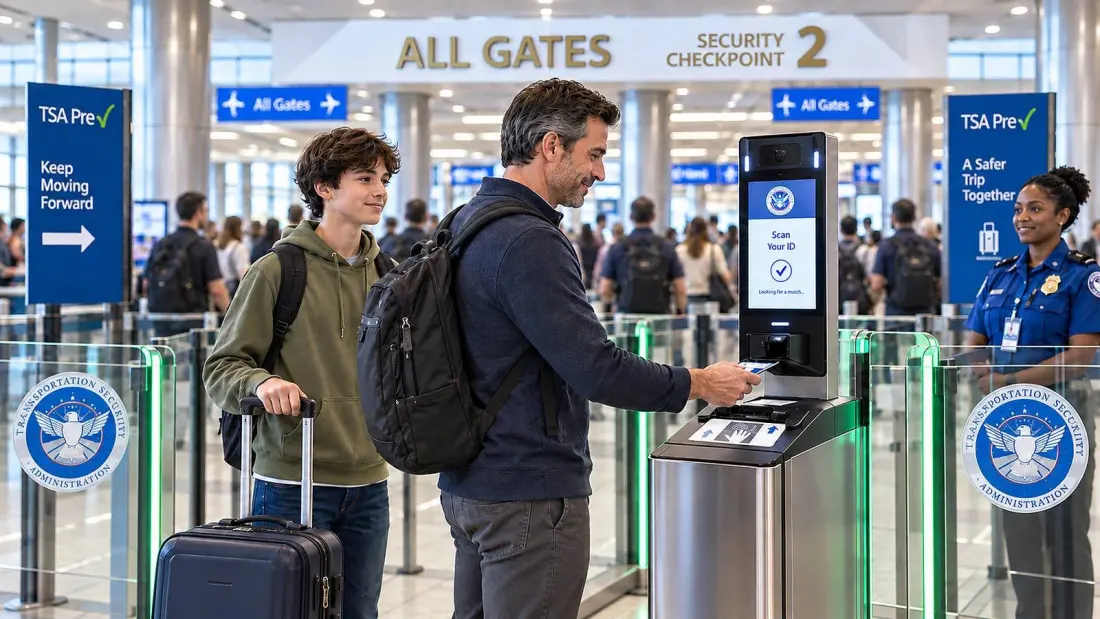
Travellers passing through US airport security will notice something subtle at the podium where officers check boarding passes and IDs: there's no chair anymore. The Transportation Security Administration has confirmed a nationwide removal of seating from Travel Document Checker (TDC) positions, the checkpoint role that almost every passenger encounters first. The change was publicly confirmed on September 29, though the officers' union says chairs had already vanished from most commercial airports by then — and that workers learned about it through each other rather than through official channels.
TSA's argument is twofold: alertness and hospitality. The agency says officers on their feet are more engaged, and that a standing officer presents a more professional and welcoming first interaction at the checkpoint. It has also tied the move to security posture, noting all officers must meet fitness-for-duty requirements. What the agency hasn't produced is evidence that removing chairs actually improves threat detection.
The union, AFGE TSA Council 100, sees it as a basic workplace rights issue. TDC duty typically lasts around 30 minutes before officers rotate to other posts, and officers spend the rest of their shifts standing or walking on hard floors. The union calls the chairs ergonomic and safety support, not a privilege, and says it wasn't consulted before removal began. It plans to challenge the decision and has urged members to contact Congress. The dispute lands at an already tense moment in TSA labour relations — a federal court ordered in January that the agency's 2024 collective bargaining agreement remains binding while litigation continues.
There's occupational-health context too. A National Institute for Occupational Safety and Health review links prolonged standing to lower-back pain, fatigue, leg swelling and general discomfort, with regular movement offering the best protection. Notably, the very agreement TSA must currently honour requires anti-fatigue mats where staff stand in one place for long stretches.
The timing also reflects a broader reset under new TSA administrator David Cummins, who took over in early August and quickly launched Horizon 25, a modernisation programme centred on checkpoint upgrades and the traveller experience. Behind the scenes, the administration's budget proposal has called for cutting more than 9,400 TSA positions and over $1.5 billion from the agency's budget, with greater use of private screeners at smaller airports. Meanwhile, technology is reshaping the front of the checkpoint anyway: touchless ID checks are rolling out for eligible PreCheck passengers, and programmes at Ontario and Seattle-Tacoma airports have shown how non-travellers can be cleared to meet arriving passengers airside.
For flyers, the practical takeaway is modest: don't expect the ID check experience to change much day to day, though officers may be more visibly on their feet than before. But the story is worth watching, because it captures a wider tension in US air travel — checkpoints are being redesigned around speed, friendliness and modern tech, while the conditions of the staff delivering that experience are becoming a genuine point of contention. If you're flying domestically in the coming months, expect the same queues and the same document checks, just with less furniture.
Via Simple Flying.