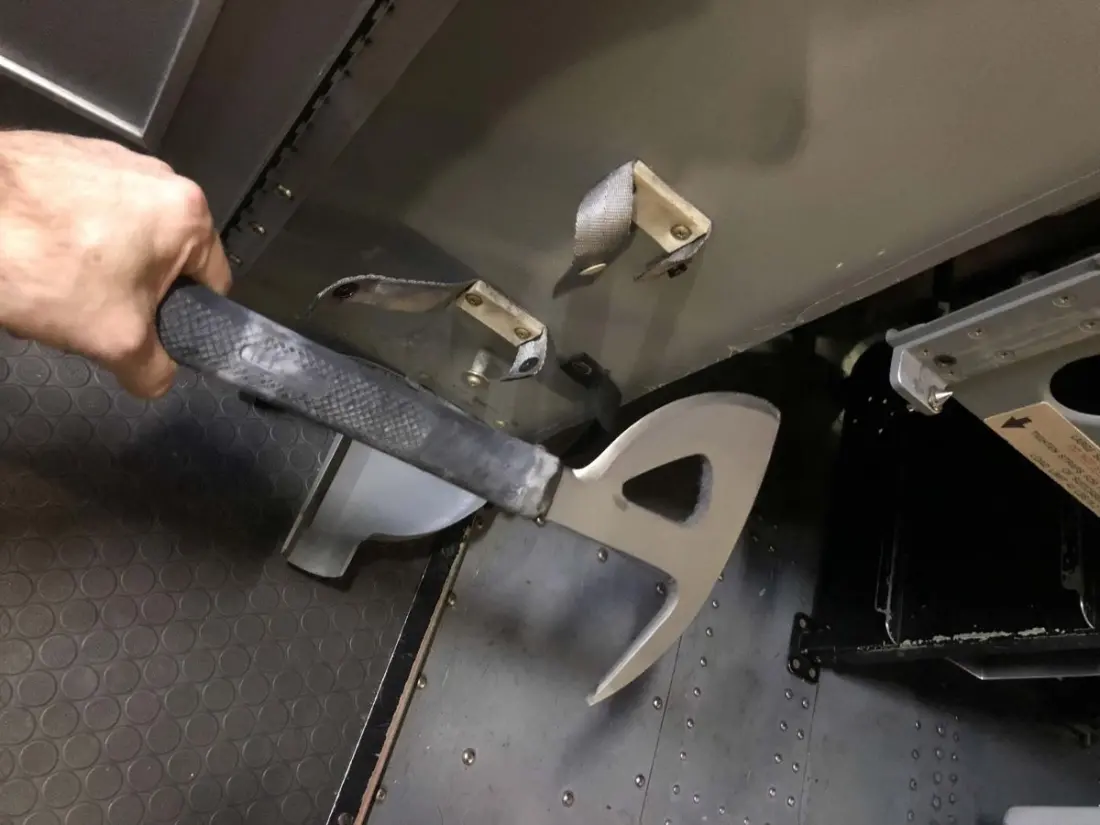
The weapon used in September's cockpit attack on flydubai flight FZ1073 was a crash axe — standard emergency equipment kept on the flight deck, not something smuggled through security. The UAE Attorney-General, Hamad Saif Al Shamsi, said in an October 3 statement that the first officer attacked the captain with the axe and tried to seize control of the aircraft, and that authorities now classify it as an attempted terrorist act.
The flight was travelling from Dubai to Tel Aviv on September 30 when the attack unfolded. Captain Smit Machchhar, an Indian national, was injured but managed to open the cockpit door. Passengers intervened, and other flydubai pilots who happened to be travelling as passengers restrained the attacker and brought the plane down safely for an emergency landing in Tabuk, Saudi Arabia. The airline has publicly credited the captain, crew, off-duty pilots and passengers.
Why was there an axe in the cockpit at all? Crash axes are required emergency kit on larger aircraft under rules like those in the UK, intended for use in evacuations or fire situations. That means the attacker didn't need to bring a weapon aboard — one was already provided where he worked. Investigators say they are still reviewing physical and digital evidence, along with motives and possible connections, before releasing final conclusions.
The bigger unresolved question is how this pilot was flying at all. Multiple outlets, including the Wall Street Journal, report that his previous employer, Oman Air, had grounded him over extremism concerns. It's not yet known whether flydubai was told, what its background checks found, or why he was rostered on a flight to Israel. The Attorney-General's statement names the weapon but doesn't explain how the attacker came to be in the cockpit in the first place.
For travellers, this is a sobering case study in where aviation security has limits. Passengers get screened, cockpit doors are reinforced — none of that addresses a pilot turning on his colleague mid-flight. Expect a debate about whether crash axes belong on the flight deck, though crews do genuinely need emergency tools. For now, the takeaway is the extraordinary outcome: a wounded captain, quick-thinking passengers and off-duty pilots stopped what could have been a catastrophe.