Most airlines would trumpet bigger screens and faster Wi-Fi when announcing a fleet upgrade. United Airlines' Guam-based Boeing 737s get those too — but the detail worth knowing is a row of economy seats at the front of the cabin that can be collapsed to fit a medical stretcher.
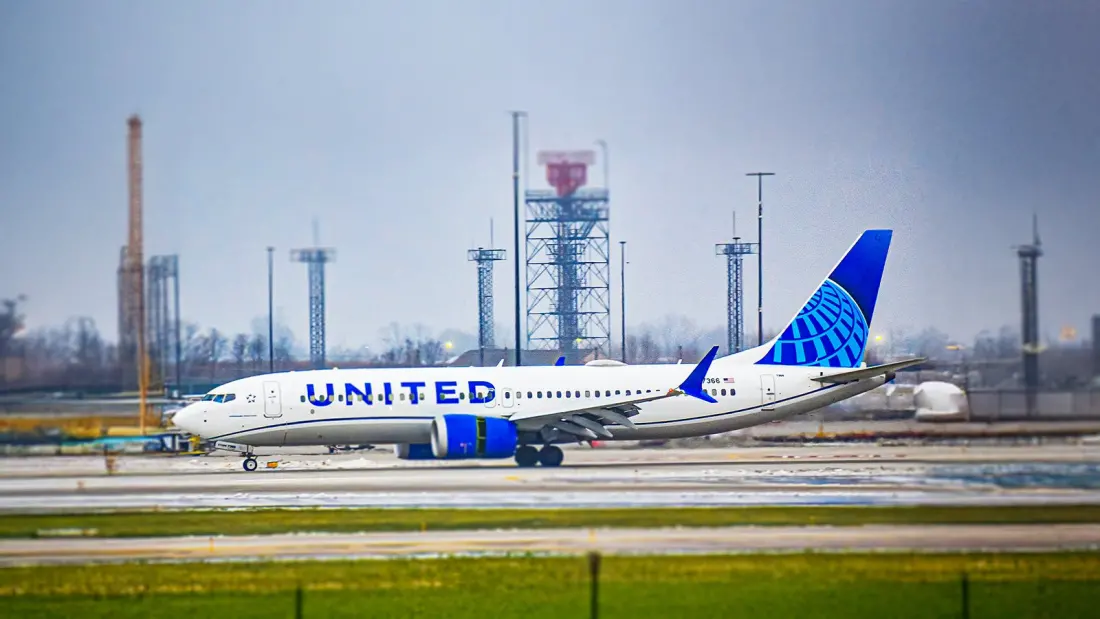
The ten 737 MAX 8s, which are replacing United's ten Guam-based 737-800s through the end of 2026, serve 15 destinations across the western Pacific with up to 12 flights a day. That includes the famous Island Hopper — a single scheduled service from Guam to Honolulu that stops at Chuuk, Pohnpei, Kosrae, Kwajalein and Majuro — plus dozens of weekly flights to Tokyo Narita, Haneda, Osaka and Nagoya, and fifth-freedom sectors like Tokyo–Koror and Tokyo–Ulaanbaatar.
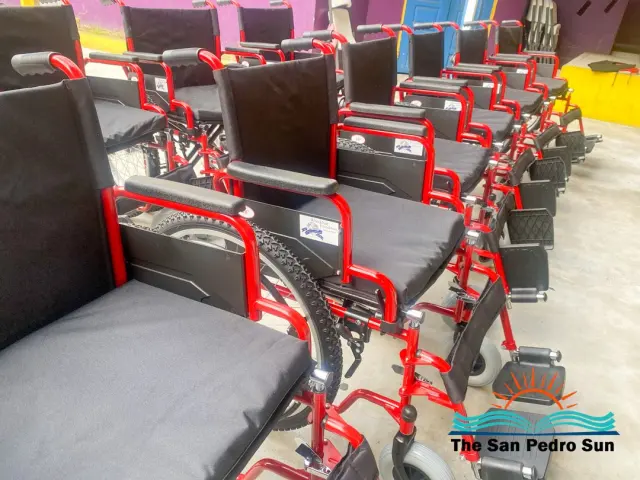
The stretcher feature is a deliberate part of the design, not an afterthought. Many of the islands United serves have no hospitals capable of handling serious cases, so getting a patient to care means crossing hundreds of miles of ocean. Rather than stationing dedicated air ambulances, United keeps the planes flying as ordinary commercial jets carrying up to 166 passengers, then converts the front economy rows when a medevac is needed. It's a quiet but significant piece of infrastructure for Micronesia and the Marshall Islands, where United is often the only reliable link to the outside world.
The efficiency gains matter just as much behind the scenes. The MAX 8 burns roughly 14% less fuel per seat than the 737-800 and offers a published range of up to 3,500 nautical miles versus 2,800 — useful margin on routes where payload is limited by the fuel needed for long overwater sectors with full reserves. The transition has been quicker than planned, too: the Island Hopper, Palau and Saipan routes went all-MAX 8 by early October 2026, with a few routes like Guam–Nagoya following later in the year.
Passengers will notice the cabin improvements. Every seat gets a seatback screen — 13 inches in United First, 10 inches in economy — with more than 1,400 on-demand options, Bluetooth headphone pairing and USB charging. Larger overhead bins and extra-legroom seating round it out, and Starlink Wi-Fi is rolling out across United's fleet, eventually free for MileagePlus members. That sounds like a modest upgrade anywhere else, but on the Island Hopper you can be aboard the same aircraft for most of a day across multiple stops, so entertainment and charging are genuinely useful.
For travellers, the takeaway is that United's Pacific flying is now on its newest narrowbody generation — good news whether you're ticking off the Island Hopper bucket-list route, hopping between Micronesian islands, or heading to Japan from Guam. Just don't expect to spot the stretcher capability unless, one day, you actually need it.