If domestic flights in the US feel noticeably pricier this year, that's not your imagination. According to Kayak data, average domestic airfares are running about 32% higher than a year ago. And despite those record fares, the airlines themselves aren't celebrating — because jet fuel is eating nearly every dollar of extra revenue they bring in.
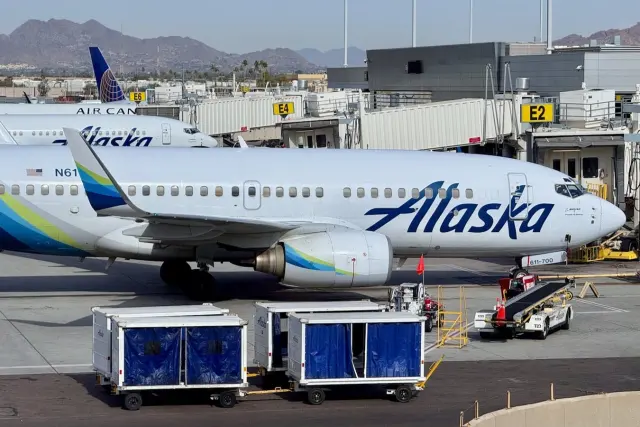
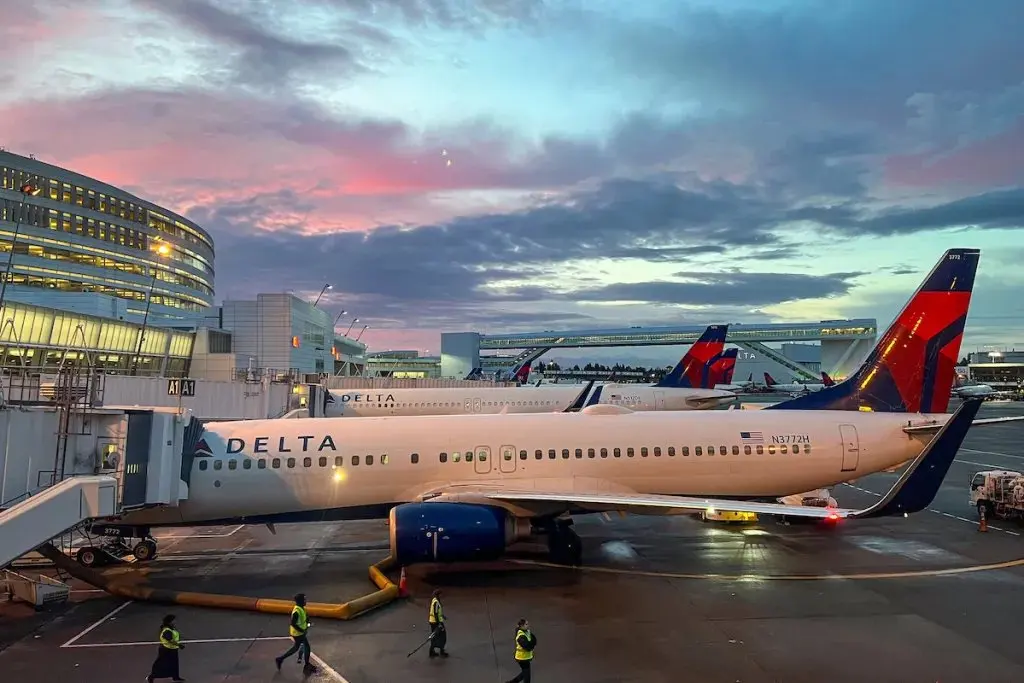
The numbers behind the squeeze are stark. Jet fuel averaged $4.50 a gallon in early October, per Argus Media figures published by Airlines for America, following September's all-time monthly high of $4.37. Prices have swung wildly since the start of the Iran war and have climbed again as fighting intensified. Third-quarter earnings season kicks off with Delta, and while several carriers are projecting record revenues, Deutsche Bank expects only four major US airlines — Delta, United, Southwest and Allegiant — to actually turn a profit this year. American, Alaska, JetBlue and Frontier are forecast to lose money in 2026, with American and JetBlue each potentially posting pretax losses of around $1 billion.
So how are airlines responding? By chasing richer passengers. United has ordered more than 250 new aircraft configured with extra business class and premium economy seats. Delta is overhauling its Delta One long-haul product, American is flying retrofitted 777-300ERs, Alaska is expanding its business class, and JetBlue — desperate to break a six-year losing streak — is introducing a domestic first class cabin.
The catch, as Melius Research analyst Conor Cunningham points out, is timing. Airlines are pushing fares higher just as seat capacity grows and consumer confidence softens. Another round of aggressive price hikes could start to dent demand, which would be bad news for everyone. For now, though, travellers should treat today's fares as the new baseline rather than a blip waiting to be reversed.
What does this mean if you're booking? Flexibility is your best friend. With capacity increasing and some carriers struggling, sales and route competition still exist — they're just less predictable. Consider flying midweek or off-peak, comparing nearby airports, and booking well ahead for peak summer and holiday dates, when premium-heavy fleets mean cheap economy seats are scarcer than they used to be. Budget carriers like Frontier and Allegiant may also price aggressively to fill seats, though their fees can erode the savings.
The bigger picture: cheap flights aren't returning on their own. Until fuel prices cool — or airlines stop burning cash — fares are likely to stay elevated, and the extra money you pay is largely going into the tank, not into airline profits.