
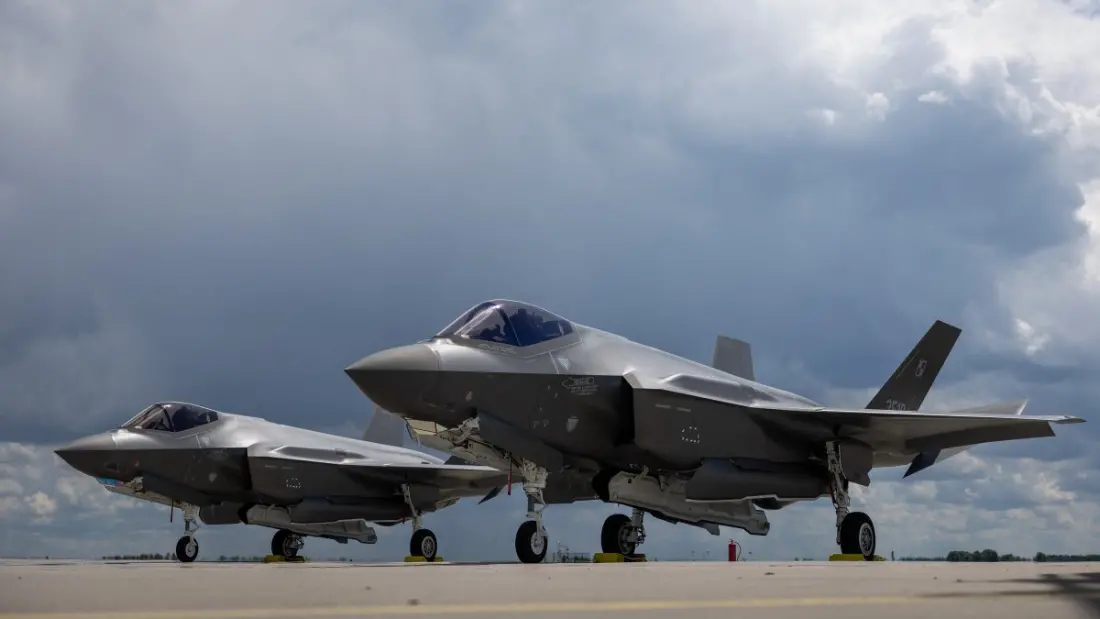
Washington and Warsaw are moving closer to a deal that would put a new US Army base on Polish soil. President Donald Trump said on Thursday that 'major progress' was being made, thanks in his words to Polish President Karol Nawrocki, and that the base's location could be announced very soon. He called it a historic step for the US-Polish alliance, sharing the update on his Truth Social platform.
The push for a bigger American footprint isn't new. Poland has spent years lobbying for a stronger allied presence on NATO's eastern edge, a priority that intensified after Russia's full-scale invasion of neighbouring Ukraine in 2022. A permanent US Army base would mark one of the most significant deployments of American forces in the region in decades.
So why is a geopolitical story running on a travel site? Because it's exactly the kind of development that reshapes how and where people plan trips. Poland has quietly become one of Europe's most rewarding city-break destinations — Kraków's old town and Wieliczka Salt Mine, Warsaw's rebuilt centre, Gdańsk's maritime quarter and the Tatra Mountains around Zakopane all draw growing numbers of visitors. Bookings and itineraries in the region tend to shift when defence news escalates: travellers weigh perceptions of proximity to the conflict, insurers reassess coverage, and airlines adjust routes on the eastern flank.
For now, nothing about visiting Poland has changed on the ground. Daily life in Kraków or Gdańsk is a world away from the border zone hundreds of kilometres east, and the country remains firmly on the mainstream European travel circuit with Schengen-area access, the zloty as currency and excellent rail links to Berlin, Prague and Vienna. Anyone with a Poland trip booked should simply keep an eye on official foreign travel advice as talks progress, rather than treat this announcement as a reason to change plans.
This is a story to watch rather than react to — no site has been named and no agreement has been signed. If and when the location is confirmed, it will say a lot about how NATO's eastern posture evolves, and that, in turn, is useful context for anyone heading to Central and Eastern Europe in the coming years.
Story via Daily Sabah Travel.