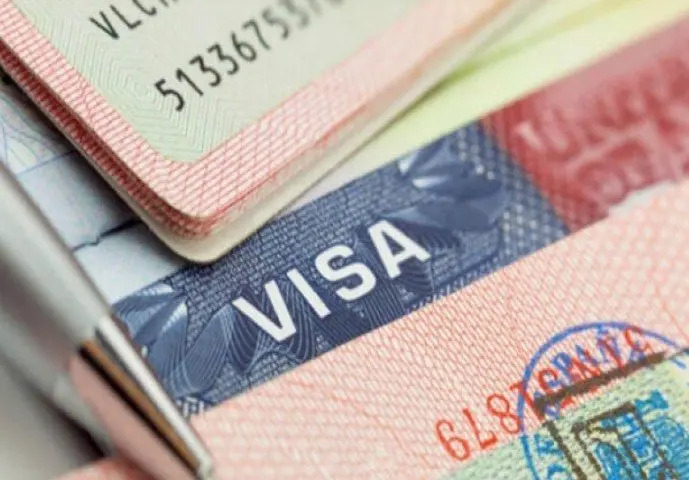
Washington has rolled out new visa restrictions targeting nationals of four Andean countries — Ecuador, Colombia, Bolivia and Peru — accusing named individuals of corruption and drug trafficking ties that undermine democratic governments in the hemisphere.
The measures fall under the "Shield of the Americas", a regional alliance of conservative governments aimed at fighting criminal organisations and their allies inside public institutions. US Undersecretary of State Christopher Landau has framed the policy as more than rhetoric, saying the Shield "is not just words; it is action and results", and signalling that further measures are coming. The legal basis is the US Immigration and Nationality Act, which lets the State Department bar entry to anyone whose presence could harm US foreign policy. The department says the mechanism allows it to act quickly as new evidence emerges — and that sanctions can extend to the immediate family members of those named.
The list of individuals is specific. In Bolivia, twelve people have had existing visas revoked or been declared ineligible, including senior Santa Cruz prosecutor Martín Daniel Irusta Flores, anti-corruption judge Albania Chane Caballero, former justice minister Iván Lima Magne and the former head of national customs, Alberto Samuel Soto de la Via — all along with their close relatives. Bolivia's Attorney General, Roger Mariaca, has been separately designated under a 2026 corruption sanctions law; the State Department alleges he solicited bribes to facilitate drug trafficking and help violent criminals evade justice, which bars him and his immediate family from entering the US entirely.
In Colombia, visas were revoked for businessman Euclides Antonio Torres, who owns an energy-sector conglomerate, and Senator Martha Isabel Peralta of the Historical Pact and MAIS party. Ecuador saw two unnamed individuals sanctioned and their visas cancelled, again with family members included. In Peru, the target was Juan Carlos Núñez Matos, a judge on Lima's First Circuit Constitutional Court, plus his family.
For travellers, the practical takeaway is that this is a targeted, official-level action rather than a broad travel ban. Ordinary tourists and business visitors from these four countries are not affected by these specific measures, and visa procedures for them continue as before. But the signals matter: anyone with government, judicial or political connections in the region should be aware that the US is now actively screening and revoking documents, and Washington has warned that corrupt officials "and the criminals they protect" are unwelcome. Expect the named lists to grow, since the State Department has explicitly said it will keep adding names as evidence accumulates — worth watching if you work across borders in these markets or have upcoming US travel tied to public-sector roles in the region.