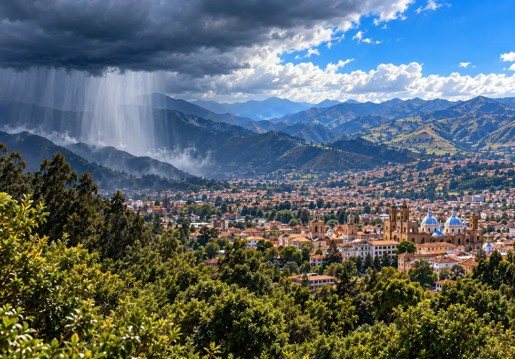
Cuenca, the highland city in southern Ecuador that tops plenty of retirement shortlists, is currently braced for two opposite emergencies at the same time. Under an El Niño red alert, the canton's lower western parishes — Chaucha and Molleturo — face intense rain, overflowing rivers and landslides, while urban and suburban Cuenca itself could tip into severe drought. Same weather system, same canton, wildly different outcomes.
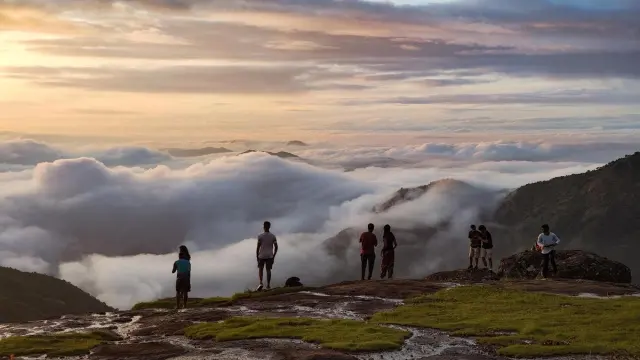
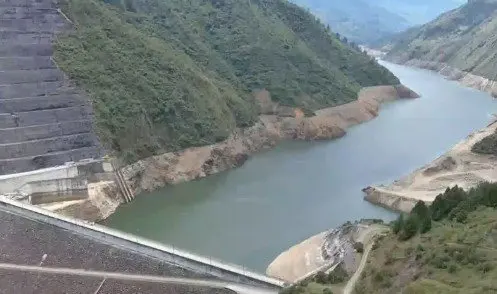
The explanation is geography. The canton spans steep elevation changes, and mountains decide where moisture actually lands. Chaucha and Molleturo sit on the coastal-influenced western side, so Pacific-driven El Niño rain hits them hard. The city, high in the Andes, can come out of the same season short on water — a scenario anyone who has watched the Tomebamba river shrink during a long dry spell knows is real, not hypothetical.
Local government isn't waiting to find out. Mayor Marisol Peñaloza's administration activated the Cantonal Emergency Operations Committee, which will stay in permanent session through the red alert. Officials have mapped 31 sites for temporary shelters and ordered municipal agencies — EMAC, EMOV and water utility ETAPA among them — to keep machinery, fuel and supplies ready around the clock. ETAPA is monitoring river flows against early-warning thresholds, and fire risk from dry vegetation is also on the list.
There's been a rehearsal, too. Emergency services across Azuay province ran a large-scale simulation covering both an El Niño flood scenario and an earthquake. In the Chaucha and Molleturo drill, the script assumed intense rain, evacuated families, damaged homes and casualties, with firefighters, police and other agencies testing how well they coordinate under pressure.
For travellers and would-be expats, the takeaway isn't "avoid Cuenca" — it's that "eternal spring" averages tell you less than you'd think. Averages won't tell you where the rain falls relative to the water system, which roads get cut by landslides, or what a bad week actually looks like. Anyone scouting the city for a longer stay should ask those unglamorous questions: where does the water come from, what happens when there's too much or too little of it, and how organised is the local response. On this evidence, Cuenca's answer is: reasonably organised, and honest about the messiness of Andean weather.