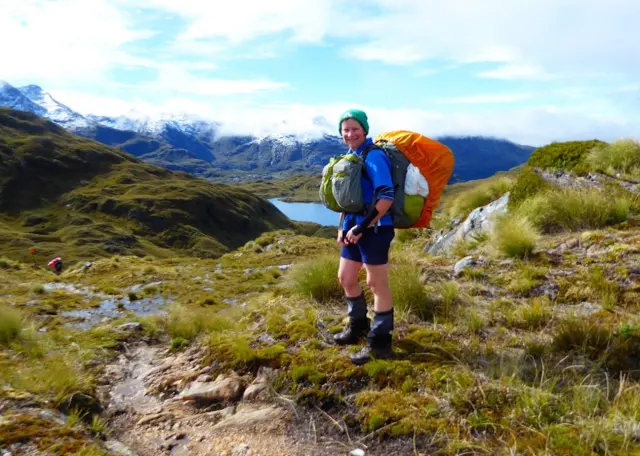
Anyone who has tried to plan a New Zealand tramp knows the routine: pick a hut on the Department of Conservation website, click through, and hope there's a bunk free on your dates. Comparing options across dozens of huts means a lot of tab-juggling, and popular Great Walk huts can book out months ahead.
That frustration is what sparked a new homegrown website built by Zachary Fleming, a Kiwi living in the United States. Back home for a visit earlier this year and keen to get into the backcountry himself, he opened the DOC site to hunt for a hut with spare bunks — and decided the process needed fixing. The result is a search tool that lets you see availability across huts in one place, so you can filter by where you want to go and when, rather than checking huts one by one.
Why does this matter? New Zealand's hut network is one of the great bargains in world hiking. DOC maintains roughly a thousand huts and shelters scattered from Northland to Fiordland, ranging from basic four-bunk shelters to serviced huts with mattresses, heating and running water. Standard huts cost around NZ$5–15 a night for adults (often free for kids), while Great Walk huts are pricier and need advance bookings. With overseas visitor numbers climbing and domestic interest in tramping booming, the well-located huts fill up fast in summer — so being able to scan availability at a glance is genuinely useful.
The tool doesn't replace the official DOC booking system; you still book through DOC. Think of it as a discovery layer: search your dates, see which huts have space, then head over to the DOC site to lock it in. For anyone planning a multi-night trip where you'd like a backup option if your first-choice hut is full, that alone can save an hour of clicking.
If you're new to Kiwi backcountry trips, a few basics: many of the cheaper huts work on a first-come, first-served basis and take hut tickets or an annual hut pass rather than online bookings, so the tool is most useful for the bookable end of the network — Great Walks and popular serviced huts. Always check DOC track and hut alerts before you go, pack for four seasons in one day, and carry cash or a card for honour-box huts in remote spots.