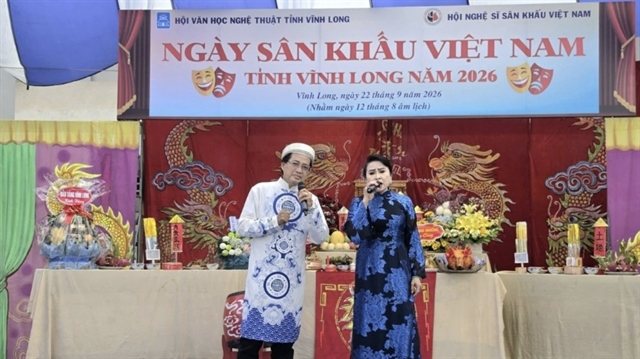
Vĩnh Long, a sleepy province in Vietnam's Mekong Delta, is quietly building a proper tourism strategy around the one thing it has that nowhere else does quite the same way: đờn ca tài tử, the improvised Southern folk music tradition recognised by UNESCO.
The province's culture department has sent a proposal to the Ministry of Culture, Sports and Tourism for a 2026–30 scheme to manage, protect and promote the music form — meaning travellers in the second half of the decade should expect more performances, better-presented heritage sites and possibly community-run shows in villages rather than staged hotel entertainment. For anyone who has travelled Vietnam beyond the usual Hanoi–Hoi An–Ho Chi Minh City route, that's the difference between passing through and actually experiencing the Delta's culture.
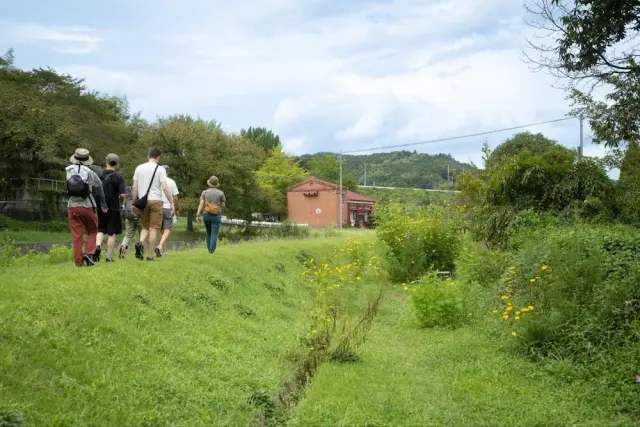
There are concrete nods for visitors too. Two local spots have been nominated for the ASEAN Tourism Awards 2027: the Phú Khương–An Hội Homestay Cluster and the Cồn Hô community-based tourism site — exactly the kind of small, family-run places where you can eat home-cooked Mekong food and hear folk music in a garden rather than a theatre. Trà Vinh University's main campus has also been proposed as an official tourist attraction, an unusual one given the province's sizeable Khmer community.
The wider calendar is filling up. Vĩnh Long plans a Week of Culture, Sports and Tourism marking Vietnamese Culture Day and the 2026 Ok Om Bok Festival — the Khmer moon-worship celebration with lantern releases and Ngo boat racing that draws big crowds in the Delta. A culinary space is also being organised as part of the 2026 International Coconut Conference, fitting for a province ringed with coconut palms, and new rural tourism models are in the works. Tens of thousands of visitors already pass through local heritage sites, museums and libraries each year.
There's an international angle as well: the province wants to sign a cultural and tourism cooperation agreement with Sunchang County in South Korea — the region famous for gochujang — which could bring Korean tour groups and cultural exchanges to the Delta.
Why it matters: Vĩnh Long sits between Cần Thơ and Ho Chi Minh City, an easy add-on to a southern Vietnam trip, and it's still far less touristy than nearby Bến Tre or Cần Thơ's floating markets. If the 2026–30 plan lands, the homestays, the Khmer festivals and the đờn ca tài tử nights will be the reasons to come — and the window before it gets discovered is right now.