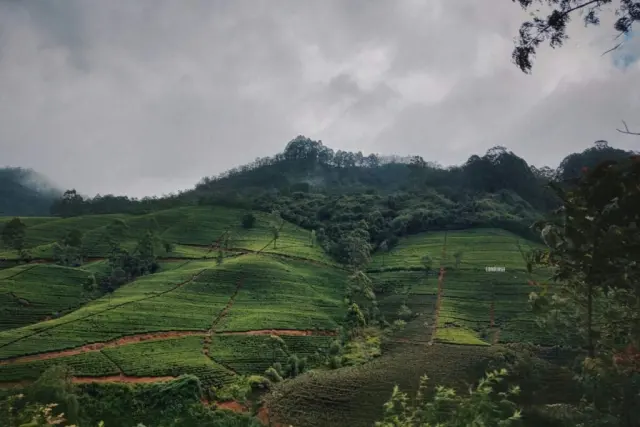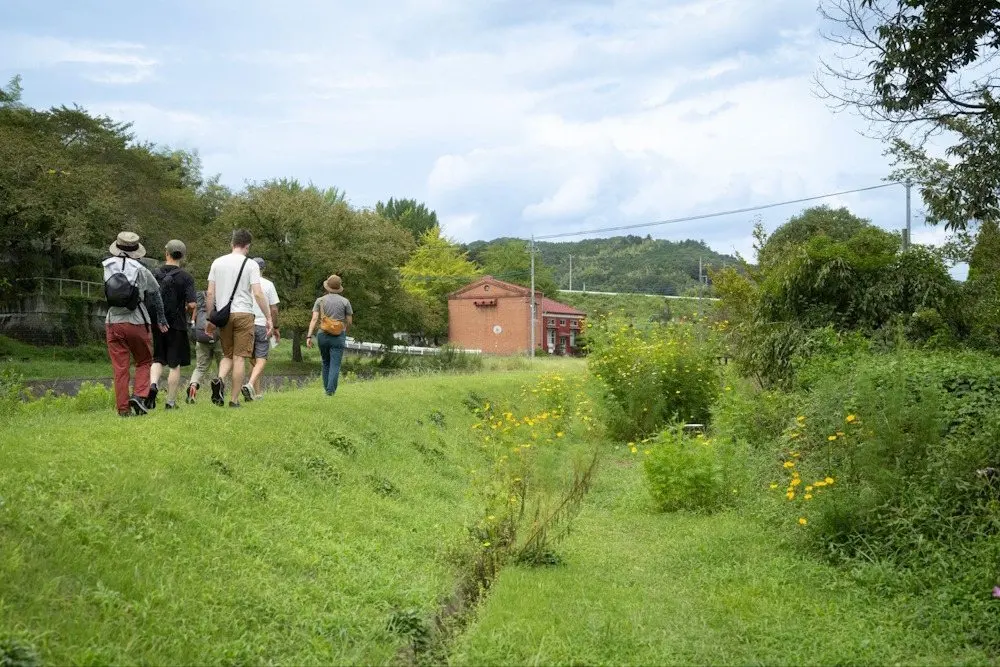
Ibaraki Prefecture, just east of Tokyo, now has a proper drawcard for walkers: the Hitachi-no-kuni Long Trail, Japan's longest loop trail, is officially open after seven years of work. Roughly 350 km of connected paths wind through the northern half of the prefecture, linking six cities and towns — Kitaibaraki, Takahagi, Hitachi, Hitachiota, Hitachiomiya and Daigo — and passing mountains, satoyama farmland, rivers and the Pacific coast.
The prefecture launched the project in 2019, but a big part of the story is grassroots: the Hitachinokuni Trail Club, a volunteer group of around 1,000 members, restored abandoned paths and stitched together new sections with existing hiking and cycling routes. At the opening ceremony in Hitachiomiya on 19 September, Governor Kazuhiko Oigawa called the route a full showcase of Ibaraki's beauty — and walkers seem convinced. In a 2025 poll by the Japan Long Trail Association, it ranked first among the 29 long trails its members most wanted to walk.
What makes it appealing is the variety packed into one loop. The northeastern section mixes modest peaks like Eizomuro and Hanazono Yama with beaches and stretches of the ancient Salt Road, plus the Edo-era Jukkokubori Canal. In the southeast, open since 2024, the path starts in Hananuki Valley and climbs Mount Tsuchidake past waterfalls and castle ruins to the Kuji River. The toughest stretch is the Central Area in the Yamizo mountains near Daigo, where the payoff is views of Fukuroda Falls — one of Japan's most celebrated waterfalls — the rocky spires of Okukuji Nantaiyama and Ryujinkyo Gorge.
Because the trail stays relatively low and gets little snow, most of it is walkable year-round — rare for a long route in Japan. And you don't have to commit to the full 350 km. The idea is to sample it: pick a section that matches your fitness and interests, whether that's coastline, gorges or quiet farmland. Along the way there are chances to meet locals and dip into the region's quirks, from space exploration heritage to mythology, traditional crafts and fermentation culture.
Long-distance walking runs deep in Japan — the Kumano Kodo and Shikoku pilgrimages have been walked for over a millennium — and this trail taps into that slower tradition. As trail ambassador and adventure racer Yoki Tanaka put it at the opening, walking a long route sharpens all five senses; scenery you'd normally scroll past reveals itself when you're on foot.
For Tokyo-based travellers or visitors with a spare weekend, it's an easy escape: about 90 minutes from the capital and a genuinely fresh alternative to the crowded Fuji and Kamakura circuits. If you've ever wanted to try a Japanese long trail without the altitude or the logbook pressure, Ibaraki just became the place to start.