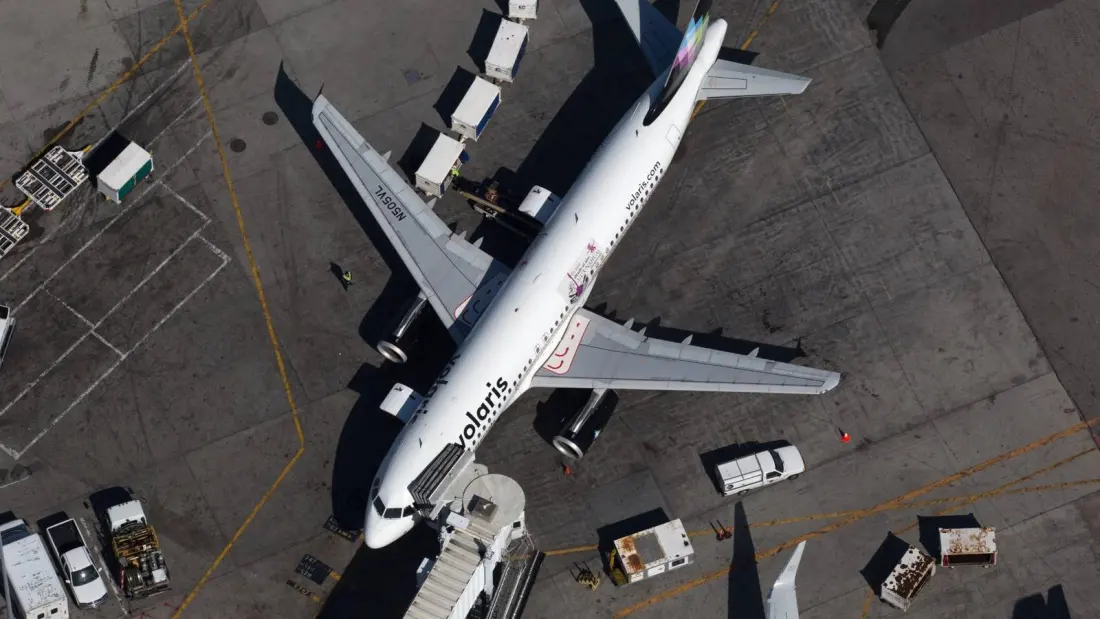
A 28-year-old woman was found dead in her seat after a Volaris flight landed in southern Mexico on Wednesday. The passenger, Abidai López Solís, was aboard flight 3358 from Tijuana to Tapachula, a route that links the country's northern border with the US to its southern tip near Guatemala.
The flight departed Tijuana just before midnight and landed a little after 5:00 AM, about 20 minutes ahead of schedule. Cabin crew reported no medical emergencies at any point during the roughly four-hour overnight hop. Solís, who was reportedly heading home to visit family, was found unresponsive once the aircraft reached the gate. No cause of death has been made public, and an autopsy was ordered to rule out foul play.
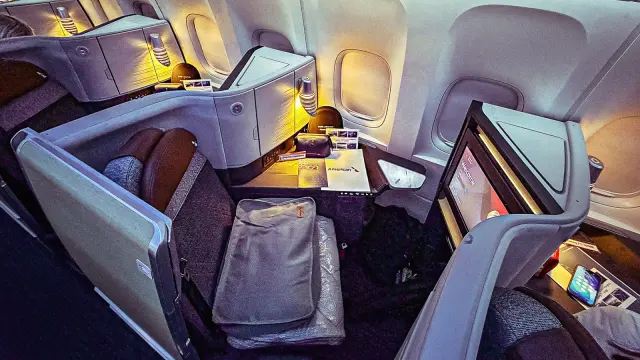
The detail that has drawn attention is how the death went unnoticed mid-flight. The answer lies partly in the flight's timing. On red-eye services, cabin lights are dimmed so people can sleep, and it is completely normal for passengers to sit motionless for hours, slumped over or wearing eye masks and headphones. Travellers seated nearby likely assumed she was asleep, and crew generally avoid disturbing resting passengers on overnight flights.
The route itself is notable. Tijuana to Tapachula is Mexico's second-longest nonstop domestic service at roughly 1,970 miles (3,170 km), beaten only by the Tijuana to Cancun route. Volaris is the only airline flying it nonstop, making it a popular choice for people heading to Tapachula who want to skip a layover in Mexico City. Flights run three to five times a week depending on seasonal demand, and December is the busiest month as holiday travel and cooler weather draw visitors south. This particular service was operated by an Airbus A320neo.
When a death occurs in flight, the aftermath follows a careful protocol. On this occasion, regular passengers deplaned normally while airport security held the row where Solís had been seated. Once the cabin was clear, paramedics from Civil Protection and the Red Cross boarded, confirmed there were no vital signs, and formally declared the death. Her body was then wrapped in a sheet and taken to a local forensic medical service.
For travellers, the story is a sombre reminder of how overnight flights work behind the calm: dark cabins, sleeping passengers and minimal crew interaction are all by design. If you book red-eyes on long domestic routes, it is worth letting crew know about any medical conditions before takeoff, since subtle distress is far harder to spot in a dim cabin. Volaris has not commented publicly beyond confirming the incident, and the family has asked for privacy as the investigation runs its course.