
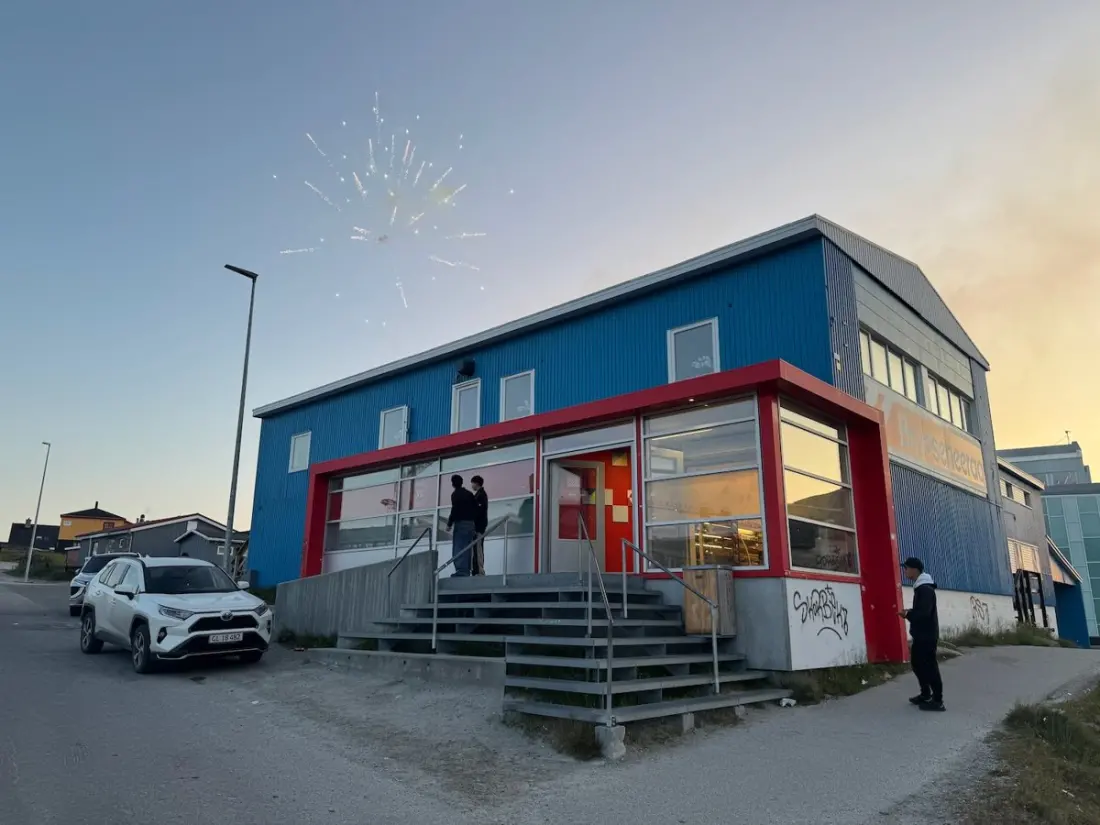
Forget the gift shop. If you want to understand a place, walk its grocery aisles — and in Nuuk, Greenland's compact capital, that walk tells you a lot about geography, supply chains and social strain.
The store in question wasn't a full supermarket but a small neighbourhood shop, the kind that stays open later than the bigger outlets. Prices are high, and there's no mystery why. Greenland produces some of its own fish, seafood and meat, but nearly everything else — packaged food, household goods, fresh produce — arrives by ship from abroad, occasionally by air. When your goods cross thousands of kilometres of ocean to reach an Arctic island with a tiny, scattered population, you pay for the freight as much as the food.
What genuinely surprised the traveller behind this story wasn't the bill. It was the cameras. Around ten were watching the alcohol section alone, and surveillance equipment dotted the whole shop. Yet Nuuk hardly feels threatening — he described walking near midnight without a flicker of unease. The likely explanation is less crime wave than economics: when replacing stolen stock means waiting on the next shipment from Europe, retailers guard their inventory aggressively.
The liquor section also opens a window onto Greenland's complicated relationship with alcohol. Historically, misuse has done real damage in families and communities, prompting the government to reach for high taxes, sales restrictions and even rationing. But the stereotype of widespread Arctic alcoholism is dated. Statistics Greenland figures show alcohol supply falling nearly 28% between 1996 and 2025, with 2025 supply equivalent to 8.3 litres of pure alcohol per resident over 14. The social challenges that remain are tied to more than dark winters — colonisation, rapid social change, intergenerational trauma, housing pressure and thin healthcare access in remote settlements all play a part.
Why should this matter to a visitor? Because browsing a Nuuk grocery store is one of the most honest things you can do there. It explains why a restaurant meal costs what it does, why locals plan shopping around store hours, and why you should budget generously for self-catering if your accommodation has a kitchen. It also reframes the destination: Greenland isn't just icebergs and husky sleds, but a modern society managing the practical realities of extreme remoteness. Adding an ordinary errand to your itinerary — buying snacks for a boat trip, picking up local music or magazines — connects you to the city as people actually live it. Just don't be alarmed if a ceiling camera follows you to the checkout.