
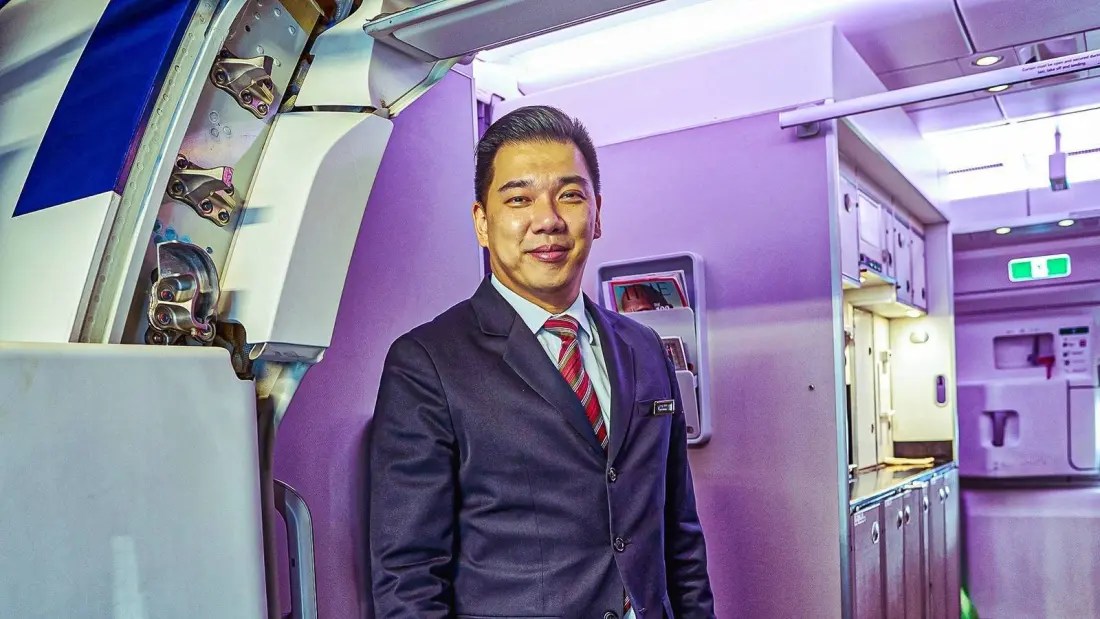
That friendly welcome at the aircraft door doubles as a quiet security screening. Cabin crew are scanning every passenger before the doors close — not for manners, but for risk. The greeting is genuinely warm, yet it's also a head-to-toe assessment that can decide whether someone flies at all.
The biggest concern is spotting trouble before wheels-up. Someone who appears drunk, sedated, aggressive or entitled gets flagged early, because an unruly passenger mid-flight can mean restraints, a diversion and police on the tarmac. The problem hasn't gone away: the FAA logged 1,163 unruly passenger cases in the US by the end of August 2026, though numbers have eased since the agency brought in fines that can reach $43,658 per violation — and multiple fines per incident are possible.
Health is the second filter. Crew look for fever, coughing, clammy skin, exhaustion, visible injuries, medical bracelets, and heavily pregnant travellers, who usually need a doctor's letter after 28 weeks. In an enclosed cabin, infectious illnesses like measles, norovirus or COVID-19 spread fast, so a visibly unwell passenger can be offloaded on the spot.
Crew also build a mental map of who'll need help. Passengers with reduced mobility, elderly travellers, solo parents with infants, unaccompanied minors (seated near crew) and nervous flyers are all noted. Anxious flyers take note: telling the crew pays off. They can talk you through aircraft noises, keep eye contact during turbulence and check in on you throughout.
What you wear matters more than you'd think. Crew steer people away from pyjamas, offensive slogans, flip-flops and flammable synthetics — practical dress is really evacuation dress, with covered arms and legs avoiding slide burns and sturdy shoes helping you move fast. Oversized or too-heavy bags get caught here too; cabin crew can spot a doomed carry-on from ten feet, and they're not permitted to lift bags for you. A small upside: well-dressed passengers are more likely to end up on the 'suitable for upgrade' list.
Perhaps most surprising is the recruitment happening in the aisle. Crew quietly identify able-bodied passengers — off-duty pilots and crew, police, firefighters — who could operate an emergency exit or manage a slide if needed, often seating them near overwing exits. Doctors may be listed on the passenger information list, though most airlines now use MedLink, connecting crew directly with ground-based doctors during an in-flight medical emergency.
Finally, crew stay alert for smuggling, smoking in lavatories, passengers drinking their own alcohol (illegal — only crew-served drinks count) and, crucially, signs of human trafficking, such as unusual pairings or a distressed young traveller. Anything suspicious goes to the captain, who can have law enforcement waiting on arrival. Passengers who ignore the safety demo get noted too — they're seen as more likely to grab bags and freeze in a real evacuation.
For travellers, the takeaway is simple: the boarding process is a two-way street. Dress sensibly, travel healthy, accept help if you need it, and know that the person greeting you is doing far more than checking seat numbers.