Premium economy has gone from a quirky experiment to one of the most profitable cabins in the sky — and that success is now working against passengers. What began as a cheap way to buy a few extra inches has evolved into a near-business-class product with matching prices, leaving many travellers wondering whether they should simply buy an exit-row seat instead.
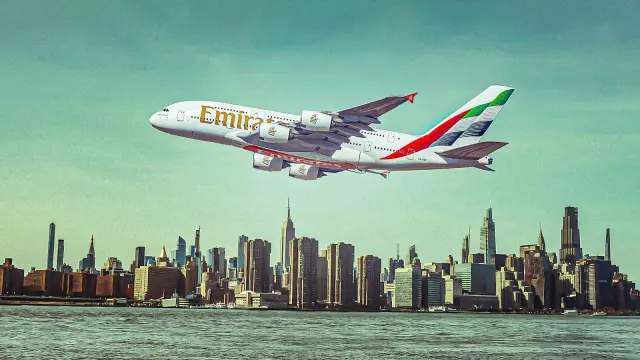
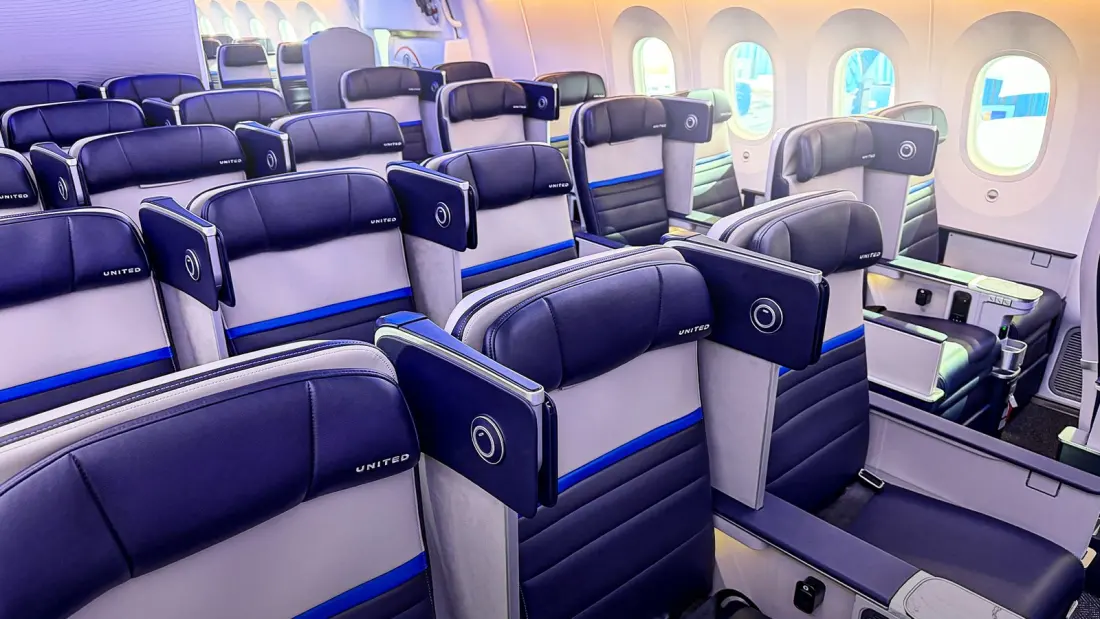
The idea isn't new. Qantas pioneered business class in the late seventies, and Taiwan's EVA Air followed a similar logic in 1992 with its Evergreen Class on the Boeing 747-400 — wider seats in a 2-2-2 layout that offered a taste of business without the fare. Virgin Atlantic launched its own version the same year. For a while these were outliers, but British Airways broke the dam in 2000 with World Traveller Plus. Air New Zealand came in 2004, then Qantas (2008), Cathay Pacific (2012), Lufthansa (2014), Singapore Airlines (2015), American (2016), Delta (2017), United (2019) and finally Emirates (2022). By 2017, 42 airlines worldwide sold premium economy; five years later that figure hit 63, with an 84% jump in aircraft fitted with such cabins.
The reason is simple: it prints money. Lufthansa has said premium economy earns 6% more revenue per square foot than business class and 33% more than standard economy. But with popularity has come price creep. Premium economy now often bundles checked bags, priority boarding, amenity kits and better catering — and typically costs 1.5 to three times an economy fare. Forecasts from GBTA and Altour this year put average US economy prices at $536, with premium fares rising faster, to an average of $4,488 across premium cabins.
That's where extra-legroom economy comes in. Exit rows and dedicated spacious rows are sold by nearly every airline, and they cost far less. UK research from Airport Parking and Hotels found fees starting at just £5 on short-haul routes, topping out near £200 on long-haul premium carriers. In the US, Upgraded Points found extra-legroom seats average about $88 more than standard — roughly $624 total against this year's $536 economy average. On shorter flights, where the width, meals and extras of premium economy matter less, the maths is hard to argue with.
There are variations worth knowing. United's Economy Plus, Alaska's Premium Class and Hawaiian's Extra Comfort market legroom-plus-perks like priority boarding and free drinks, with service otherwise matching economy. Qatar Airways takes a different route: its Comfort+ on certain ex-Cathay Pacific and ex-Virgin Atlantic 777-300ERs gives passengers a genuine physical seat upgrade while charging economy-cabin prices, since the airline doesn't sell premium economy on those jets.
If you're price-sensitive — and most of us are, with 84% of frequent travellers in Upgraded Points' survey saying fare matters — extra legroom is the sensible halfway house. Only about one in five travellers would pay more than $100 extra for space, which suggests plenty of flyers are already making the same calculation. Check the seat pitch for your specific aircraft before deciding: some standard long-haul economy seats now match older premium economy for room, and a legroom seat with the same service can be the smartest money you save on a flight.