The disaster that hit Nepal on 26 August has forced a hard question: can a country so invested in hydropower keep building dams in one of the world's most volatile mountain environments? The short answer from energy analyst Bikash Pandey, writing in Nepali Times, is yes — but not the same way as before.
The scale of what's at stake is striking. Around 260 hydropower projects are under construction in Nepal right now, with another 360 in feasibility, design, financing or licensing stages. The sector props up far more than electricity supply: cement and steel plants, tunnelling contractors, engineering consultancies, transporters, insurers, banks and retirement funds all depend on it. A sudden stop would ripple through the whole economy, so construction will continue — just slower, costlier and under much tougher scrutiny.
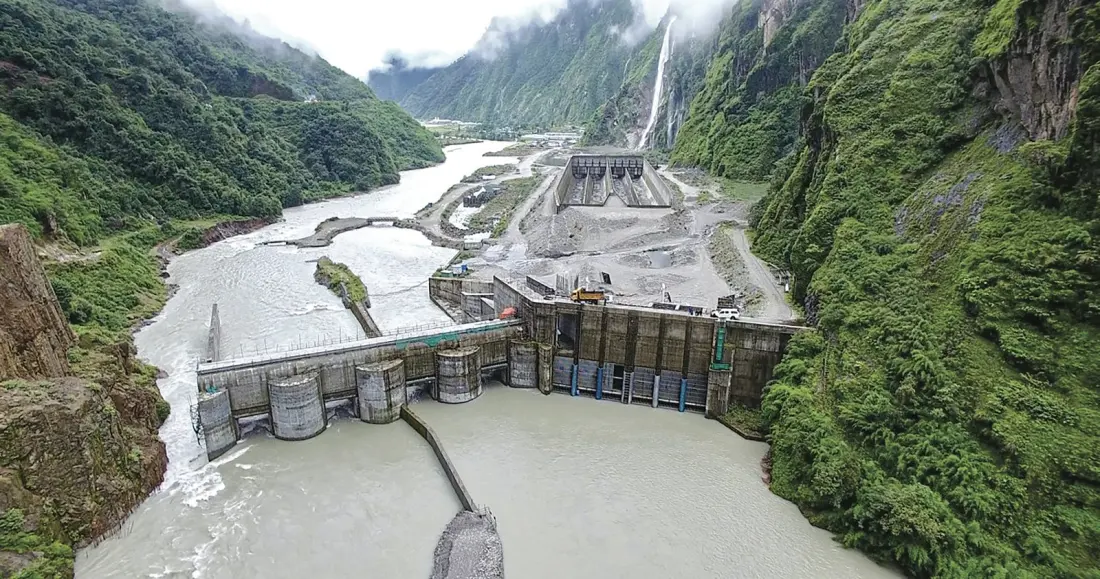
What has changed is the nature of the threat. Nepali engineers have long designed for glacial lake outburst floods and landslide-dammed flash floods. The August disaster added a third, deadlier category: floods triggered by the collapse of glaciated slopes. The failed rescues of workers trapped in the tunnels of Upper Trishuli 3-A, 3-B and Rasuwagadi underscored how badly prepared many sites are, especially during construction when hundreds of people are on site. Expect mandatory Emergency Action Plans, project-by-project climate risk assessments across entire river basins, and designs that assume '100-year floods' can now arrive every decade. Powerhouses may sit higher above rivers, and critical equipment will need flood isolation gates and remote shutdown systems.
There is a silver lining in how Nepal's grid has grown. Generation is spread across 54 districts rather than concentrated in one river valley — if it weren't, a single flood could have knocked out the country's entire power supply. And because Nepal currently produces an electricity surplus for much of the year, regulators have breathing room to reform without blackouts looming.
The other big recommendation is diversification. Nepal's climate pledge targets 15% of generation from non-hydro renewables by 2035; Pandey argues that should rise to a quarter or a third. Trans-Himalayan districts like Mustang and Dolpo have strong solar irradiation, reliable wind, cheap land and far lower flood exposure — they just need roads and transmission lines to become viable.
Why should travellers care? Nepal's trekking routes run straight through hydropower country — the Rasuwagadi and Trishuli corridors are gateways to Langtang and Gosainkunda, and the Manaslu and Annapurna circuits cross dozens of project sites. Stricter siting rules, better hazard mapping and functioning early-warning systems directly affect safety for anyone on mountain roads or riverside trails during monsoon. And for visitors, a more diversified, resilient grid means fewer of the load-shedding blackouts that once defined a Nepal trip.
The takeaway: the tragedy won't halt Nepal's hydropower boom, but it should end the era of building on historical flood records. Evolution, not retreat, is the plan — and for the tourism economy that shares those valleys, that evolution can't come soon enough.
Nepali Times