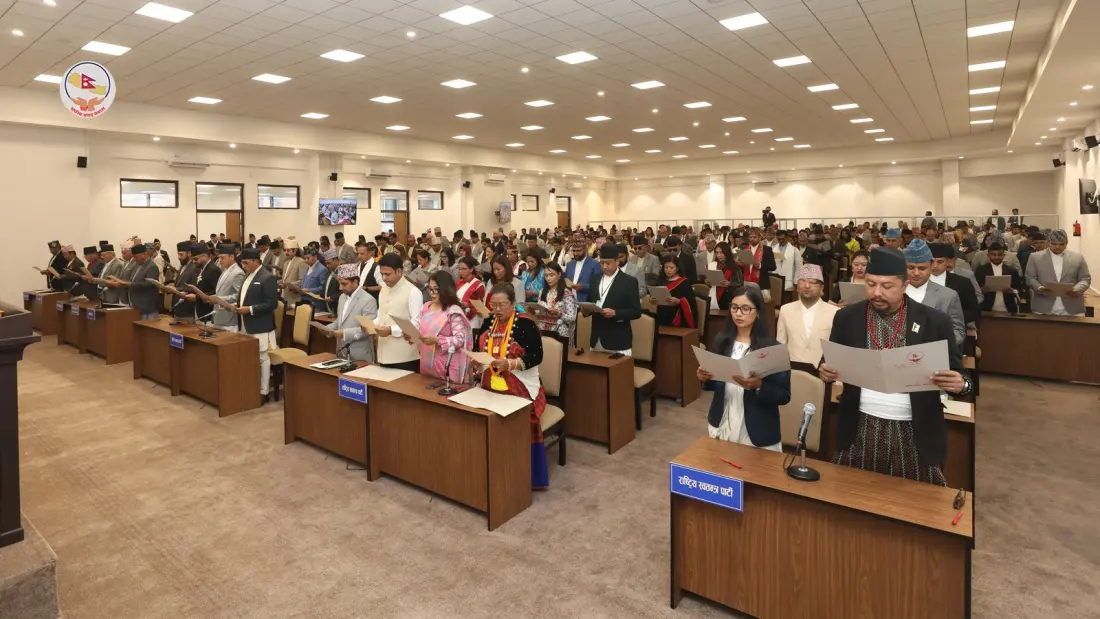
Nepal's post-Gen Z government is trying something genuinely unusual for the country: opening senior government posts — including ambassadorships — to public competition rather than handing them out through party connections. Over 4,400 people applied when the positions were advertised, and 13 nominees emerged from the first round. Writing in Nepali Times, economist Alok K Bohara argues this is an attempt to dismantle the old 'relational system' of patronage — known locally as bhagabanda — that has shaped Nepali politics for decades.
For context: this government exists because of the Gen Z street uprising of 8 September 2025, when young Nepalis forced a political disruption that the old parties could not contain. The new leadership is young, educated and energetic — but inexperienced, and it shows. A 3% levy on private education and health was introduced, met stiff public resistance and was quickly withdrawn. Bohara's take is pragmatic: that was either immaturity or responsiveness, and a young government that can admit a mistake and change course is healthier than one obsessed with looking decisive.
He is not uncritical. Open competition, he notes, is no magic fix — diplomacy requires judgement and interpersonal skills no application form can capture, and an open advert can hide a closed selection if the process behind it lacks transparency. The real test ahead is whether the movement can move from breaking the old system to building a new one based on rules, competence and accountability. Breaking requires courage and impatience; governing requires consultation, institutional memory and a willingness to slow down.
The clock matters too. Bohara points to Nepal's own history — the 1990 democratic movement, the 2006 upheavals, and now the Gen Z uprising — as cycles of hope followed by disappointment. Public memory is thin, and the citizens who handed this government its mandate will soon judge it on simpler questions: are schools better, are hospitals functioning, are jobs appearing, is corruption down?
Why should a traveller care? Because governance is the substrate of any trip. A Nepal where public institutions respond to citizens rather than networks means visas, permits, trekking paperwork and tourism infrastructure are more likely to function predictably — and where accountability expectations stick, they tend to benefit visitors as much as locals. It also explains the mood on the ground right now: Kathmandu is a country in political experiment mode, which makes it a fascinating time to visit, but worth following the news before you go.