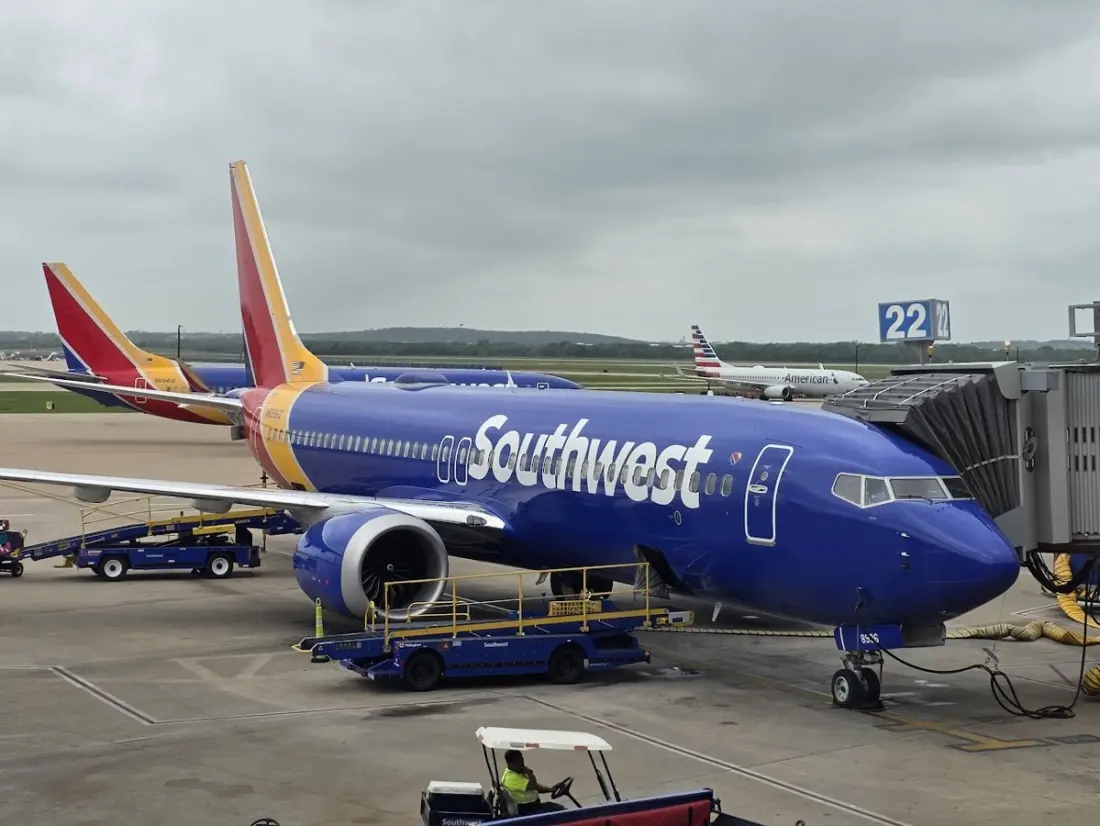
Southwest Airlines spent decades being the odd one out: two free checked bags, no change fees, open seating and one simple cabin. That era is over, and an analysis in View from the Wing argues the airline never really had a choice. What looks like a betrayal of loyal flyers was, piece by piece, a chain reaction the old business model made inevitable.
The first domino was distribution. Southwest long refused to sell on online travel agencies, which worked fine in fortress hubs like Dallas, Chicago, Denver and Baltimore where locals knew to check Southwest.com. But a route has two ends, and in smaller cities most passengers originated elsewhere — so they never saw Southwest's fares at all. The airline joined Google Flights in May 2024 and Expedia in February 2025, and Expedia alone was driving about 5% of passengers by mid-2025.
That move backfired in a specific way. A $149 competitor fare without a bag or seat assignment looks cheaper in search results than Southwest's $179 all-in price, even when the total cost ends up higher. A US federal rule requiring airlines to display bag fees up front might have levelled the field, but it was stayed by the Fifth Circuit in 2024 and struck down in early 2026. Southwest's own research reportedly showed that a bag-fee scheme would bring in $1.5 billion but cost $1.8 billion in lost ticket sales — yet once unbundling started, matching rivals' headline prices won out. First and second checked bags now cost $45 and $55 unless waived by fare, status or card.
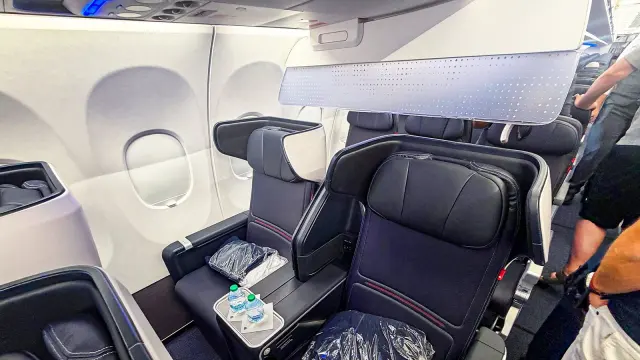
Assigned seating followed logically: you cannot sell extra-legroom rows to passengers who pick seats at the gate. And once Southwest looked like every other airline, it had to offer what they offer — upgraded Wi-Fi, at least 11 airport lounges, a premium Chase credit card arriving in 2027, international airline partners, and, almost certainly soon, a first class cabin. Lounges are largely a credit-card play; Southwest took $2.6 billion in 2025 from loyalty and co-brand arrangements, mostly through Chase. It remains the last major US carrier without an announced first class, while Frontier, Allegiant and JetBlue all move upmarket.
There's a sobering postscript: the changes are generating revenue — second-quarter 2026 revenue rose 16.4% on flat capacity — but rivals grew at a similar clip, so Southwest is no longer exceptional, just standard. After 47 consecutive profitable years before the pandemic, the old formula stopped scaling, and an activist investor pushed faster, harsher change than management might otherwise have chosen.
For travellers, the takeaway is practical: Southwest's quirks you may have counted on are now à la carte. Check whether your fare, status or credit card waives bag fees, pick seats early if legroom matters, and expect premium perks to be aimed at cardholders rather than first class flyers. For frequent flyers with the premium card, lounges and Hawaii redemptions may actually sweeten the deal.