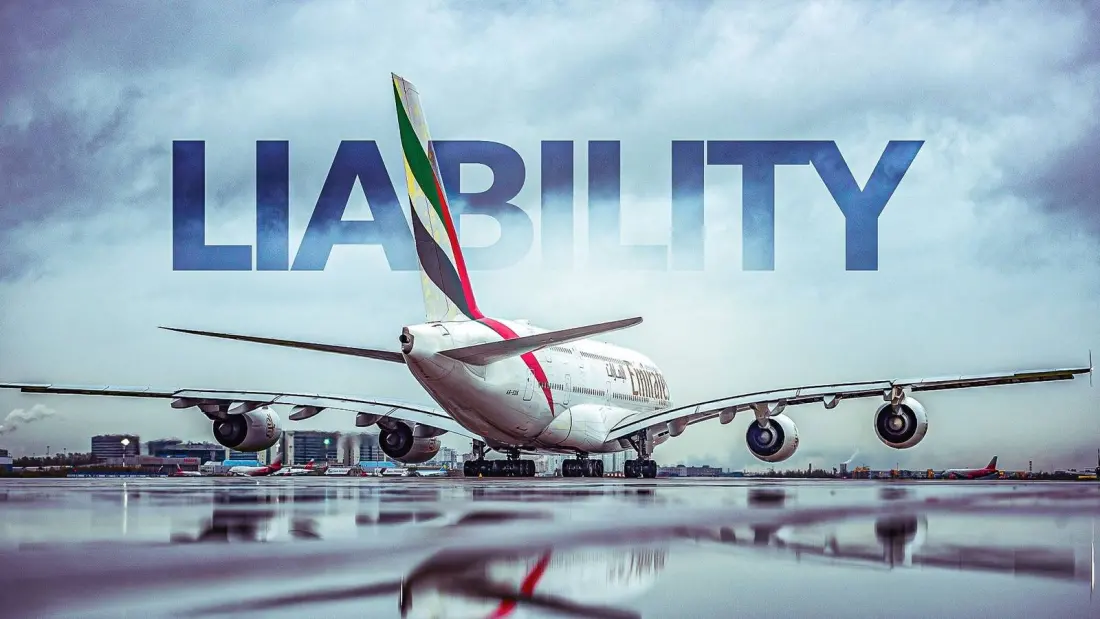
The Airbus A380 still turns heads wherever it lands — a double-decker giant carrying more than 500 passengers that promised to change long-haul flying when it entered service in 2007. Yet fewer than two decades later, production is over and the fleet is shrinking fast. The reason isn't safety or passenger comfort; it's the very thing that made the aircraft possible in the first place: four engines.
When Airbus designed the superjumbo in the 1990s, four engines were a necessity. The jet's maximum takeoff weight exceeds 575 tonnes — far beyond what twin-engine technology of the era could handle — and strict ETOPS rules limited how far twinjets could stray from diversion airports. Four engines, each producing up to 76,000 pounds of thrust via Rolls-Royce Trent 900 or Engine Alliance GP7200 units, offered power and route freedom no twin could match. Airbus also bet on a future of packed mega-hubs like London Heathrow and Singapore Changi, where slot-constrained airports would demand ever-bigger aircraft.
That bet aged badly. Engine reliability improved dramatically, regulators relaxed ETOPS — the A350 is now certified to fly up to six hours and ten minutes from the nearest airport — and modern twinjets unlocked every route the A380 could fly. The economics are stark: the A380 burns roughly 4,600 gallons of fuel per hour, around $18,000, with total operating costs estimated at $25,000-$35,000 per flight hour. A modern A350 runs closer to $10,000. Maintenance adds further pain, at an estimated $6,000-$8,000 per hour for four sets of inspections and overhaul cycles. Qantas reportedly spends about $305,000 per A380 flight between Sydney and Los Angeles.
There's also a structural shift the aircraft can't escape. The 787 and A350 made point-to-point routes viable — think Austin to Amsterdam or Brisbane to San Francisco — bypassing the hub-and-spoke model the A380 was built for. A superjumbo needs hundreds of seats sold on every flight to break even; smaller twinjets let airlines add frequencies and serve thinner routes with far less financial risk. Airbus delivered only 251 units before ending production in 2021, and the pandemic pushed carriers like Air France, Malaysia Airlines and Thai Airways to retire or sharply cut their fleets. By 2025, at least five airlines had scrapped the type entirely.
The big exception is Emirates, whose Dubai hub is slot-constrained and whose entire business model funnels transfer traffic through a single mega-hub — exactly the environment where filling 500-plus seats still makes sense. But that's a niche, not a comeback.
For travellers, the takeaway is practical: A380 flights are increasingly limited to dense hub routes, especially with Emirates, plus operators like British Airways, Lufthansa, Qantas and Singapore Airlines on select sectors. If flying the double-decker is on your bucket list — the upstairs lounge, quieter cabins and spacious seats remain genuinely pleasant — book sooner rather than later, because the window is closing.
Story based on reporting by Simple Flying.