One hip aches every long descent. One ankle grumbles under a heavy pack. If your hiking pain is stubbornly one-sided, the culprit may not be weak muscles or worn-out boots — it might be the way you walk. That's the takeaway from an Outside Online writer who spent years chasing remedies for right-side hip and ankle pain, from physical therapy and single-leg strength work to a chiropractor nicknamed the Bone Carpenter, before finally finding the cause with a gait analysis.
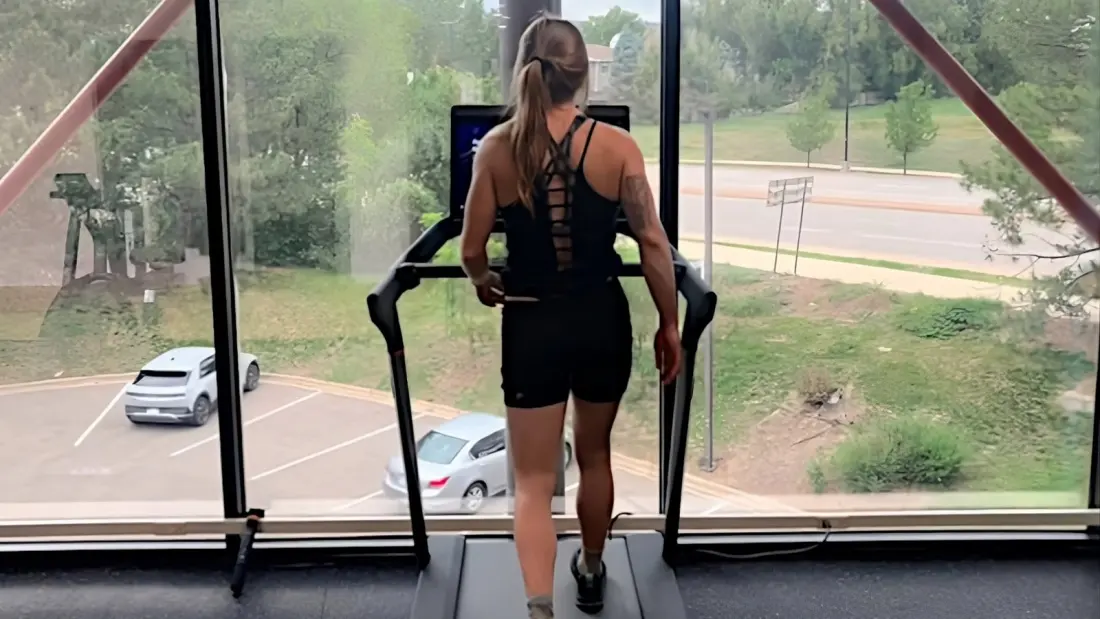
A gait analysis is a assessment more common in running circles than hiking ones. It measures your gait — the personal movement pattern you've built up over years of habits, shortcuts and old injuries. The writer's session, at Boulder Sports Clinic in Colorado with chiropractor and athletic trainer Dr. Steve Brown, involved strapping on a belt with a motion sensor and hiking on a treadmill set to a ten-percent grade while software called Runeasi tracked how evenly each leg absorbed force and how much the hips swayed.
The data confirmed what the writer suspected: the right hip was locked up tight, pulling the torso into a slight lean and driving extra force through the right leg on every stride. According to Brown, that kind of asymmetry is a big deal. Previous injury is the strongest predictor of future injury, he says — asymmetry is number two. His analogy: a car that's slightly out of alignment feels fine to drive, but thousands of miles later the tires and suspension show the damage. Small imbalances compound over thousands of hiking steps into plantar fasciitis, hip pain, knee trouble or lower-back aches.
Where do these imbalances come from? Sometimes an old injury leaves one side weaker. Often it's a cascade of tiny things — an overworked hip, a compensating knee, everyday habits like always riding the gas pedal with the same foot or carrying a child on one hip. Our bodies quietly reprogram themselves to avoid pain, switching muscles off and overloading others without us noticing.
The fix isn't a single session. After hands-on massage to loosen the tight hip, the writer was moving more evenly on the treadmill — but keeping it that way requires a regular stretching and strengthening routine. The good news: there was finally a concrete, treatable cause instead of a vague diagnosis.
For hikers wondering if this applies to them, Brown's rule of thumb is simple: gait analysis is for anyone who covers long distances on foot, and it's especially worth it if your pain is asymmetrical — always the same hip, knee, ankle, heel or arch — and strength training hasn't sorted it out. Entry-level options are cheap: many running stores offer a free visual gait check with no sensors involved. For proper data, a physio or trainer who works with runners and endurance athletes will charge roughly $100 to $400 depending on complexity; the writer's 60-minute session cost $280 and was, in their words, worth it.
If you're planning a big trek — a loaded multi-day hike, a Camino, a Kilimanjaro climb — it's a smart pre-trip investment. Fixing your walking pattern before you rack up the miles beats limping home and googling physios afterwards. And while a gait session won't replace training with a loaded pack, it can stop a small mechanical quirk from ruining the trip you trained months for.
Via Outside Online.