Two long-distance hikers have swapped the dry trails of the West for the leafy, shelter-lined ridges of southern Vermont, and their first five days on the stretch where the Appalachian Trail hands off to the Long Trail make a compelling case for adding this corner of New England to your own hiking list.
The pair, writing under trail names on The Trek, rolled into Dalton, Massachusetts after a two-week break that took them through Glacier National Park, Minot, St Paul and Chicago. Back on foot, their packs were noticeably lighter: no more tuna packets or oatmeal hauls, barely any water needed, and feet that came out of socks clean rather than caked in dust. Day one covered 13.8 easy miles from Dalton to Noepel Shelter, with a Walmart resupply and coffee at a spot called Java and Juice along the way.
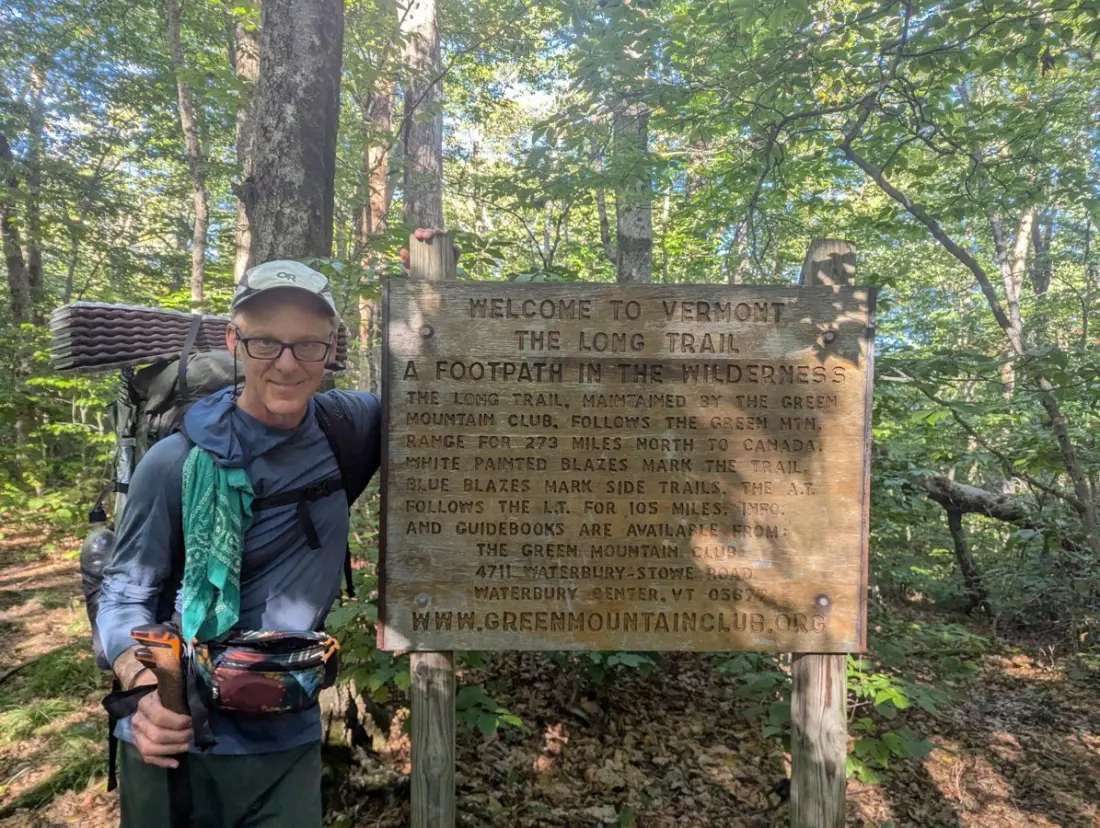
Day two delivered the payoff: Mt Greylock, Massachusetts' highest point, reached by 9am under a cloudless sky, then the state line crossing into Vermont, where the Long Trail officially begins. A hiker known as Swamp Witch greeted them at the border and exchanged sign photos before camping near a creek just half a mile into the new state. From there the rhythm settled into classic Green Mountains terrain: a 15.5-mile day to Melville Nauheim Shelter with a detour to a small grocery courtesy of a local named Jeff, a race to Kid Gore Shelter ahead of a bucketing forecast that they beat by an hour, and then a blue-sky 15-miler over Stratton Mountain.
That final day captured why this trail earns its reputation. A volunteer doing trail magic handed out Pepsi at a road crossing, a wind-rocked fire tower delivered sweeping summit views, and the day ended at Stratton Pond Shelter with a dozen or so hikers camped together, group dinner eaten, and loons calling across the pond at sunset. The pair expect to reach the Canadian border in about three weeks.
For travellers, the practical appeal is obvious. This section threads together low-stakes logistics (road crossings near Route 9, frequent shelters spaced a comfortable day apart, small groceries within walking distance of trail) with genuinely wild ridgeline walking. Sections can be steep enough that the author jokes about ladders, and rain transforms the leaf-littered trail into slick, soft ground, so waterproof footwear and flexible pacing matter. The shelter culture here is social: bunks fill fast, strangers become a trail family within days, and local volunteers maintain and even narrate the landscape as you go. If you'd rather sample than thru-hike, the Stratton Pond area makes a straightforward overnight loop with a fire tower summit thrown in.
Whether you're plotting a section hike or just daydreaming about autumn in the Green Mountains, this is a readable, on-the-ground look at what the trail feels like right now, mud jokes aside.