Medicare doesn't cover routine dental care for most of its roughly 24 million traditional beneficiaries, and that gap is quietly reshaping how some US retirees plan their travel. With crowns, implants and root canals costing thousands out of pocket, a growing number are combining a holiday with major dental treatment in Costa Rica.
The coverage hole dates back to 1965, when Medicare was created and dental services were excluded over cost concerns and pushback from dental associations. Reform attempts have gone nowhere fast: a plan for comprehensive dental coverage was stripped out of the Build Back Better bill that passed the House in 2021, and the limited provision added in 2022 only applies to narrow medically necessary cases — organ transplant patients, for example, or people getting jaw radiation as part of cancer treatment.
For everyone else, the maths is grim. Employer dental plans often cap benefits at about $1,000 a year, and that coverage disappears at retirement. In the US, $1,000 might buy a single crown or a cleaning — nowhere near the cost of implants, root canals or dentures. Roughly one in five Medicare beneficiaries spends at least $1,000 a year on dental care, and low-income seniors fare worst, receiving less care despite often needing it most.
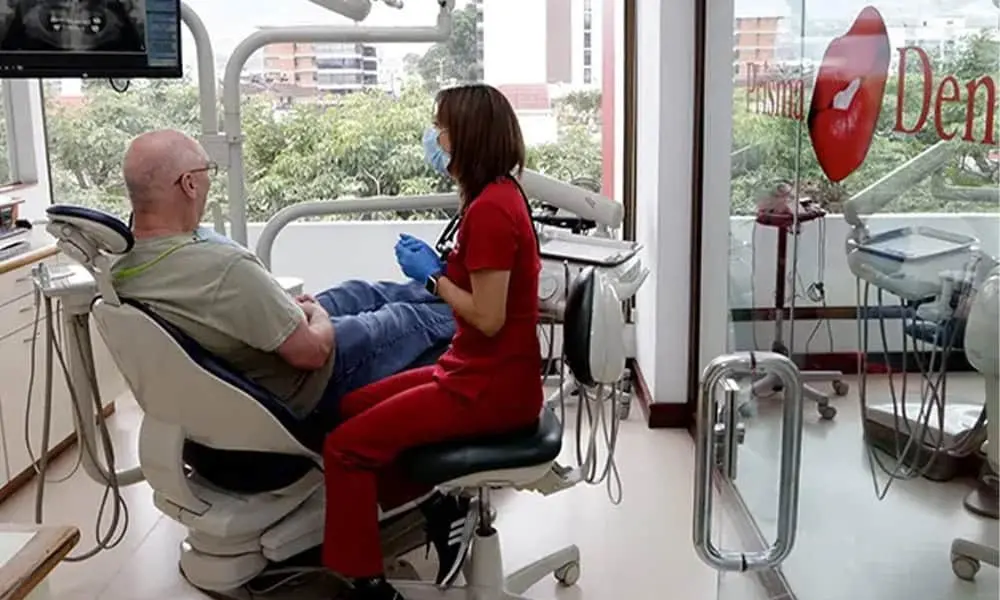
Enter dental tourism. The Tico Times highlights Prisma Dental, a long-established clinic in Costa Rica serving both local and international patients, offering everything from routine procedures to full mouth restorations, All-on-6 and implants. The pitch is simple: $1,000 spent on dental treatment in Costa Rica covers more work than three years of basic Medicare dental benefits, delivered in a high-end clinic.
Costa Rica isn't the only country in this business, but it's among the most convenient for North Americans — short flights from major US cities, no jet lag, English widely spoken in medical settings, and a tourism infrastructure built around combining treatment with recovery time on the Pacific or Caribbean coast.
Why it matters: if you're a retiree or approaching retirement facing a big dental bill, treatment abroad can cut costs dramatically — but do your homework. Check the clinic's credentials and reviews, ask for a detailed treatment plan and quote before flying, factor in follow-up care if anything goes wrong back home, and confirm whether any complications would be covered by your travel insurance. Dental tourism works best for planned, substantial work like implants or full restorations, where the savings dwarf the cost of a flight and a week or two of accommodation.
The legislative fix could take years or decades, as the source notes. Until then, for many Americans the cheapest route to a healthy mouth may run through San José.
Original source: The Tico Times