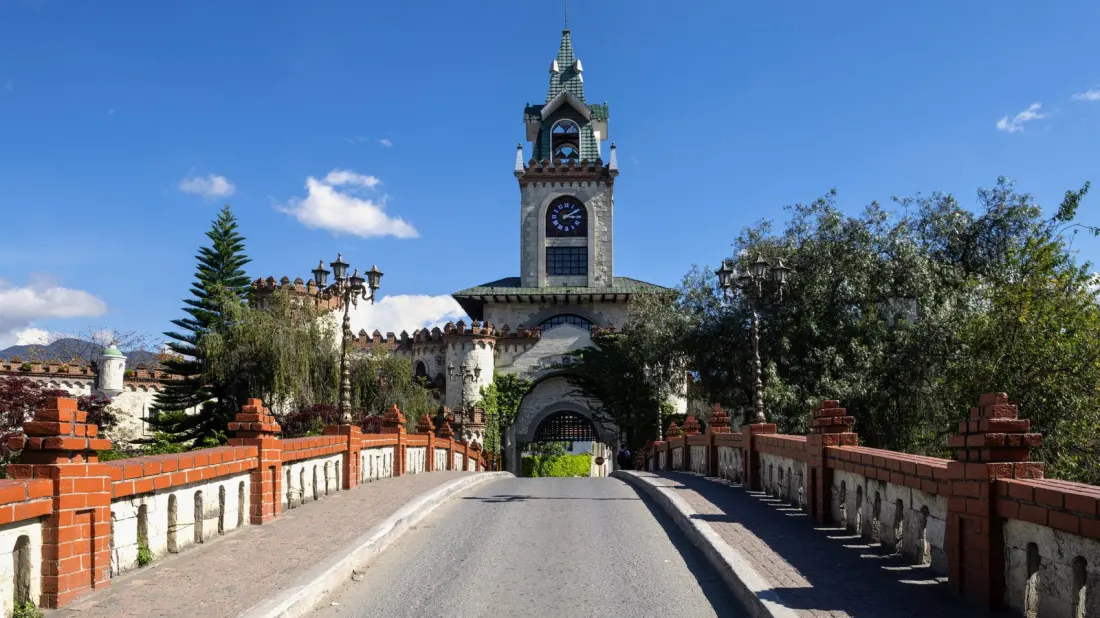
Forget Cuenca. A quiet corner of southern Ecuador is winning over Americans looking to stretch their retirement savings without giving up orchestras, festivals or decent espresso. Loja, tucked into the green hills of the southern Andes, is home to colonial squares, cobblestone streets and two rivers — the Zamora and Malacatos — running straight through town.
The numbers do a lot of the persuading. Ecuador is one of the few countries where roughly $2,000 a month covers a comfortable life, and International Living estimates a couple can live well there on under $23,000 a year. Fresh produce, transport and eating out all cost noticeably less than in most of the US. And unlike Cuenca, Loja's expat scene is small, so you'll be dealing with locals — brush up on your Spanish, since English isn't widely spoken.
What sets Loja apart is that it isn't a town built for tourists. It's a genuine cultural hub, officially dubbed Ecuador's Cultural and Musical Capital, with two symphony orchestras, a conservatory of around 700 students, and the Museo de la Música, which displays traditional Ecuadorian instruments. Teatro Bolívar puts on shows year-round, including Martes de Folklore — a monthly night of local music and dance.
The calendar is busy, too. Each August, thousands walk the Virgen del Cisne pilgrimage from El Cisne to Loja, and the statue's arrival kicks off weeks of festivities. Early September brings the Noches del Peregrino, with music, fireworks and towering castillos around the cathedral, wrapping up on September 8 with an outdoor Mass and procession. In November, the Festival Internacional de Artes Vivas fills theatres and public spaces with live performance.
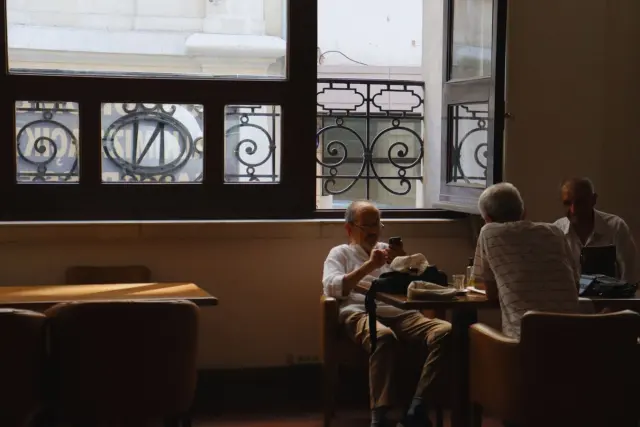
Coffee people, take note: Loja sits in a producing region, and the city has more than 200 mapped cafés. Cronopios Coffee House ranked No. 36 on The World's 100 Best Coffee Shops list, and the award-winning Emporio Lojano occupies a century-old heritage building on Calle 10 de Agosto — both are stops on the province's official Coffee Route. Food runs from regional classics like repe lojano and cecina lojana at markets such as the Mercado Central, the city's oldest and biggest, to Kichwa restaurants like El Recreo serving Indigenous dishes.
For green space, Jipiro Recreational Park offers 10 hectares with botanical gardens, paddle boats and quirky landmark replicas. It all adds up to a place that feels lived-in rather than staged — which is exactly why it appeals to people planning a real life there, not just a visit. Even if retirement abroad isn't on your radar, Loja works as a low-key base for exploring southern Ecuador's mountains, coffee farms and festival season.