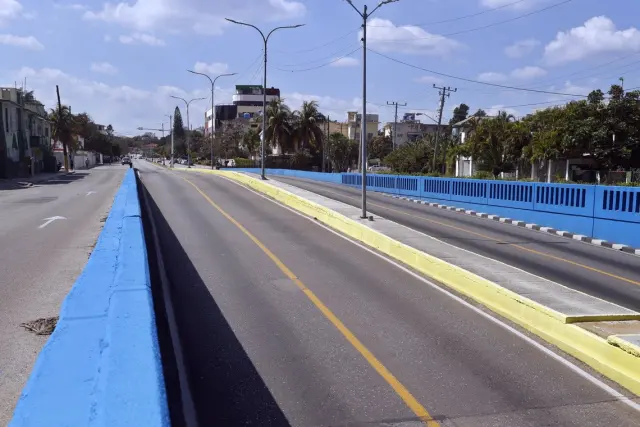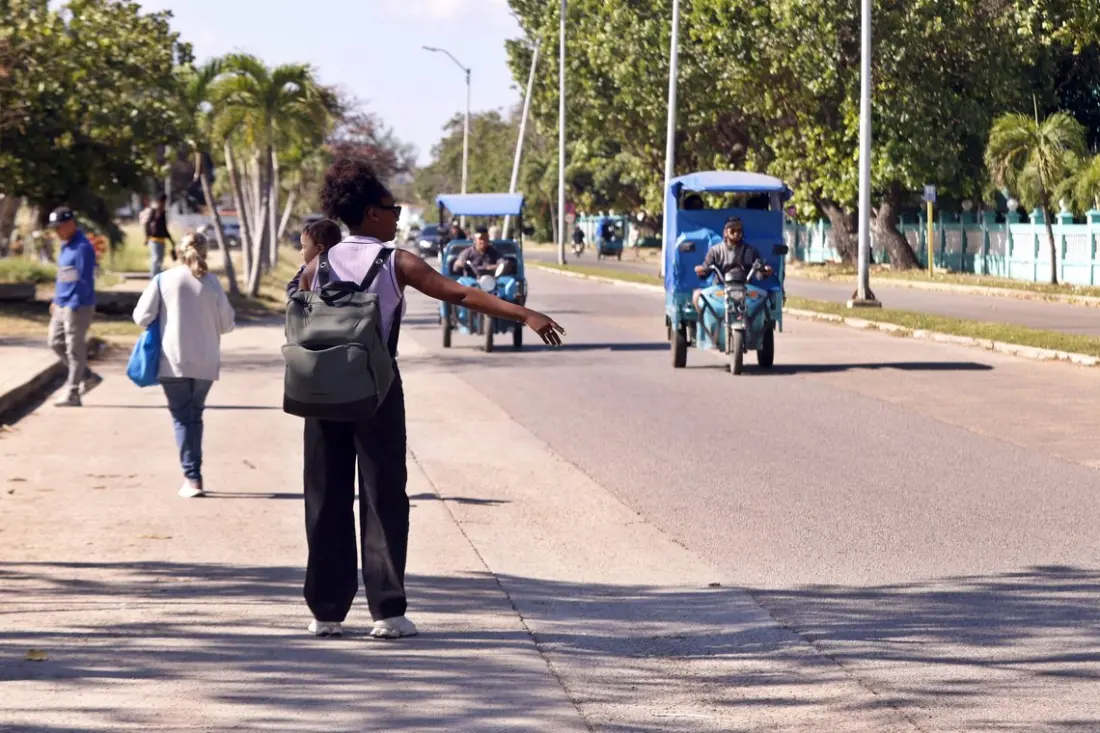
Cuba is running on empty, and the effects reach well beyond the blackouts that have become a fixture of island life. A nationwide fuel shortage is stalling almost everything that moves — food, deliveries, private taxis, buses — and for visitors, that means the country they'll encounter is dramatically slower and less predictable than guidebooks suggest.
The most striking detail: hundreds of shipping containers packed with food are currently sitting idle at the Port of Havana, imported by small and medium-sized private businesses (known as mipymes) but unable to move inland because there's no fuel for the trucks. protein at risk of spoiling while it waits. Meanwhile, farmers outside the capital have harvests ready but no transport to bring rice, plantains and beans to Havana's markets. Private food shops can't restock, delivery services have suspended routes, and many of the private cars and vans that carry locals — and tourists — between cities are parked.
The numbers show how much has changed. Private businesses imported $2.2 billion worth of goods in 2025, and authorities expect that could climb to $2.6 billion this year, with economists estimating 60–70% of it is food. In several categories, private imports now exceed what the state brings in. Yet when fuel is available, it tends to be prioritised for state enterprises, leaving the private sector — now the backbone of everyday supply — immobilised. Business owners have repeatedly asked for permission to import fuel themselves; critics of the idea argue it's a political manoeuvre, while supporters call it an obvious, practical fix whose real beneficiaries would be ordinary Cubans.
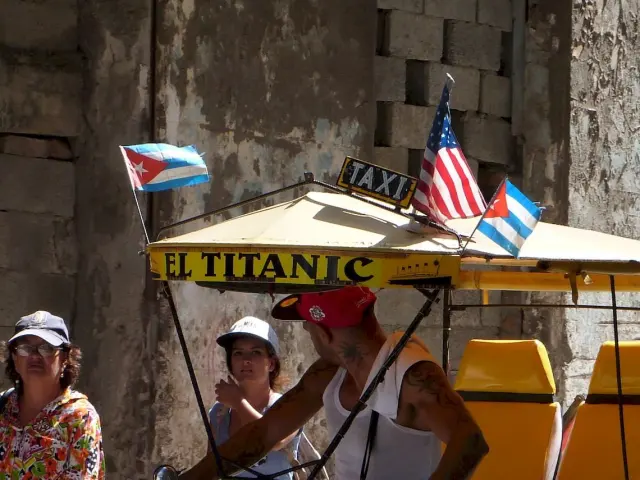
For travellers, the practical picture is sobering. Expect transport disruptions: private taxis and shared cars may be unavailable or expensive, intercity bus schedules can slip or vanish, and some paladares (private restaurants) and cafés may have thin menus depending on what their suppliers can source. Getting from Havana to Viñales or Trinidad may take considerably more planning than it did a few years ago. Cash, flexibility and patience are the current currency of Cuban travel.
The deeper point for anyone considering a trip: Cuba's private sector is now what keeps daily life running, and its struggles shape the experience on the ground just as much as any state policy. Visiting now means engaging with a country in a difficult transition — and spending money at private businesses is one of the most direct ways your visit helps the people who live there.