On 30 November 1939 the Soviet Union sent roughly a million troops into Finland, expecting the whole business wrapped up in about two weeks. Finland had a fraction of the men, barely any tanks and almost no air force. Instead, the Finns held out for 105 days through one of the coldest winters on record, and the story of how they did it is now one of the most compelling threads of Second World War history you can go and stand inside.
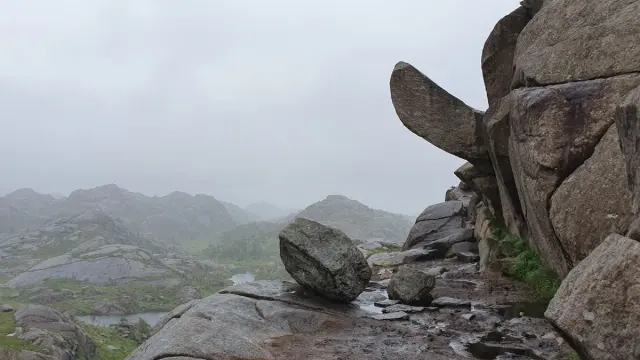
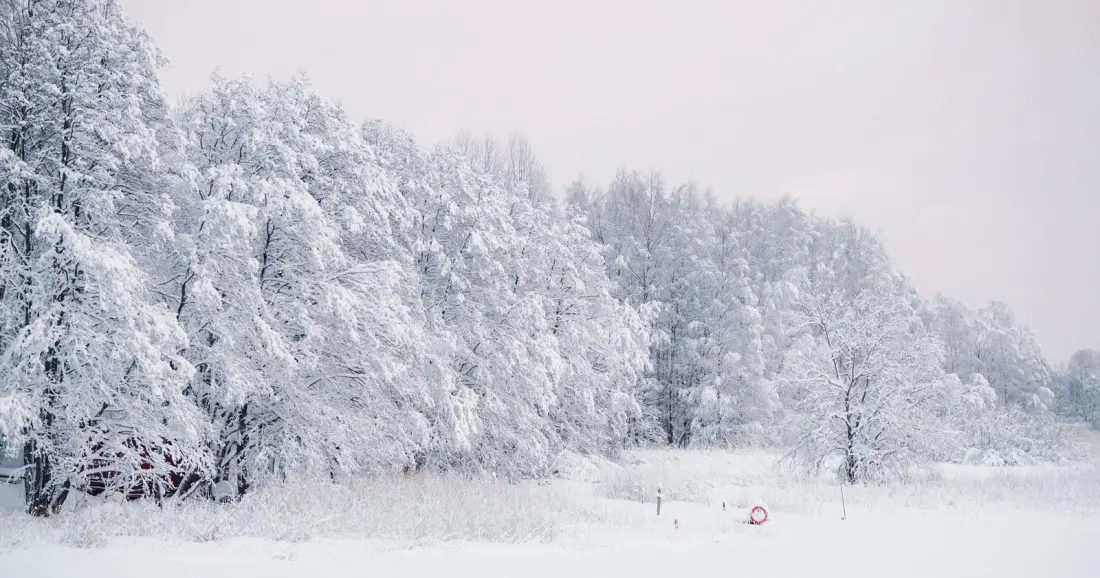
The Red Army's problem was season and terrain. Temperatures on some fronts dropped toward minus 40 — fuel thickened, engines seized, and soldiers not trained for the cold simply stopped functioning. The Finns, dressed and prepared, moved on skis in white camouflage, hit stalled columns and disappeared into the forest. Their signature tactic, the motti, cut road-bound Soviet formations into isolated pockets and dismantled them one by one. A division stuck on a single forest track in deep snow wasn't an army; it was a line of targets.
The most famous name from that winter is Simo Häyhä, a farmer and hunter from Rautjärvi sent to the front at the Battle of Kollaa, where temperatures ran between minus 20 and minus 40. He's credited with around 505 kills in under 100 days — often cited as the highest sniper total in any major war — though his biographer, Major Tapio Saarelainen, notes part of that total came from a Suomi submachine gun rather than his rifle. Häyhä refused a telescopic scope, and the reasons were practical: glass fogs and freezes in that cold, and a scope forces you to raise your head above the snowbank, where a sniper becomes an easy spot. With iron sights on his M/28-30 rifle he stayed low and invisible. Asked how he learned to shoot like that, he reportedly said one word: "Practice."
The defense still lost. Soviet artillery broke the Mannerheim Line in February 1940, promised foreign help never arrived, and Finland signed the Treaty of Moscow on 12 March 1940, ceding much of its territory — including western Karelia — while keeping its independence. Finnish dead and missing numbered around 25,000; Soviet losses ran into six figures. Häyhä himself was hit by an explosive round in the jaw on 6 March and woke near the day peace was declared, then lived quietly for another six decades.
For travellers, this history is unusually accessible. Helsinki's Military Museum and the Winter War exhibitions in towns near the old Karelian frontier put the campaign in context, and the Kollaa and Karelia regions can be visited today. Winter travel to Finland also lets you feel — safely, in a heated cabin — the kind of cold that shaped the fighting. Anyone driving the road to the north of Finland passes through exactly the kind of forest and lake country where small, mobile ski troops out-thought a vastly larger army.