
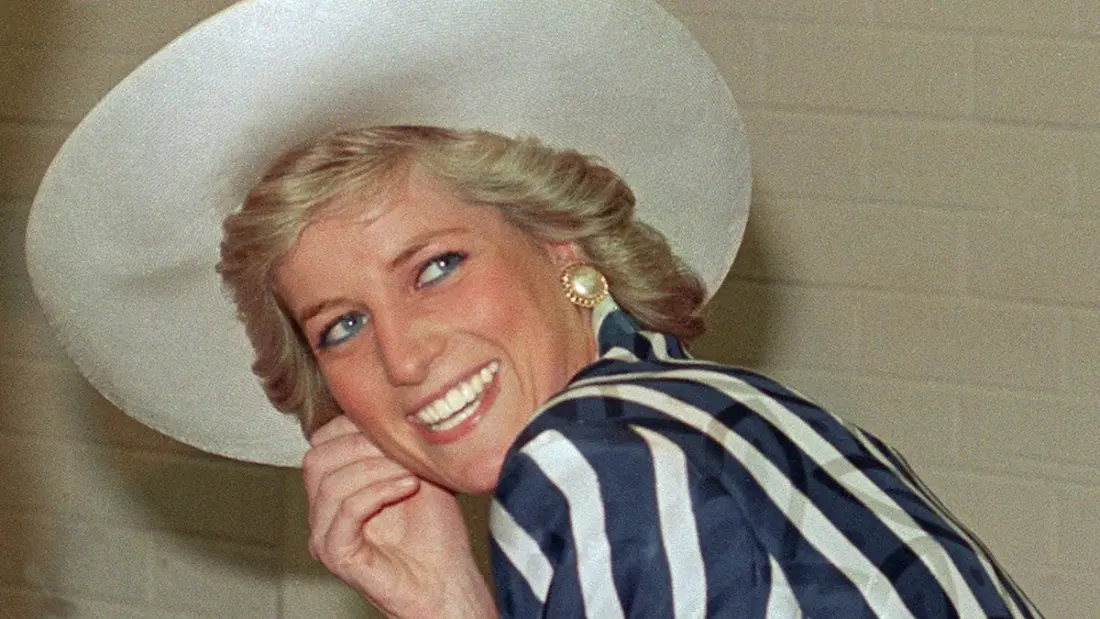
A fresh royal row is making headlines in Britain, and it centres on a figure travellers to London still encounter everywhere: Diana, Princess of Wales.
Charles Spencer, Diana's younger brother and the 9th Earl Spencer, alleges in his upcoming book 'Swan Song: Diana, My Sister' that King Charles III said the princess would soon be forgotten after her death. He claims the then-Prince Charles told him, while they argued over plans for princes William and Harry — then just 15 and 12 — to walk behind their mother's coffin in 1997: 'Rest assured, we'll forget her soon enough.' Buckingham Palace fired back with an unusually blunt statement, suggesting that grief can 'cloud reason' and 'colour memory' decades later. The Daily Mail is running extracts ahead of publication next week.
The spat is the latest chapter in a long friction between the royals and Diana's aristocratic family, one dramatised in 'The Queen' and 'The Crown'. After Diana died in a Paris car crash in August 1997 at age 36, many felt the palace was slow to match the public's outpouring of grief — a misstep that reshaped how the monarchy communicates, and one reason William, Harry and eventually the king himself adopted a more openly emotional style. Spencer's funeral eulogy, promising that Diana's 'blood family' would protect her legacy, was read at the time as a pointed jab at the House of Windsor.
For visitors, the story is a reminder of how physically present Diana remains in London, nearly three decades on. Her former home at Kensington Palace still draws crowds to the gates, and the Golden Statue of Diana in the palace's Sunken Garden was placed there on what would have been her 60th birthday. The White Garden there was planted in her memory too. Beyond the capital, her grave sits on the Spencer family estate at Althorp in Northamptonshire, which opens to the public in summer months and houses a Diana exhibition. A dedicated memorial walk through central London's parks links Kensington Palace, Buckingham Palace and St James's Palace — the three homes that framed her adult life.
Whether or not you follow royal drama, the ongoing fascination with Diana is baked into any first trip to London: her story is told in palaces, parks, memorials and museum exhibits across the city. This latest book, and the palace's rare public rebuttal, will only add context — and probably more visitors — to those sites in the months ahead.
Anyone planning a London break with a royal bent could pair Kensington Palace with a stroll through Hyde Park to the Diana, Princess of Wales Memorial Fountain, then finish at Harrods, where a small memorial to Diana and Dodi Fayed still stands. It's a walkable half-day that explains why, whatever was said in 1997, Diana has not been forgotten.