Day 31 of a Long Trail thru-hike looks nothing like the summits. With rain hammering down — and with one member of the hiking party, known as The Historian, recovering from a fall on the trail — a group of Vermont friends opened their doors near Duxbury Road and turned a washout into a proper rest day. Zero miles hiked, zero feet climbed, and honestly, that was the point.
The stopover came with an unexpected history lesson. Barre, the nearby town where their friends live, was once the granite capital of the world. In the early 1900s, skilled carvers immigrated from Scotland, Spain and Italy to work the same grey granite that hikers stumble over on the Long Trail. What began as open-air carving sheds gradually gained roofs and then walls — good for keeping rain off the stone, terrible for the workers' lungs. Silicosis swept through the trade, and clinics existed largely to tell ailing stonecutters how long they had left.
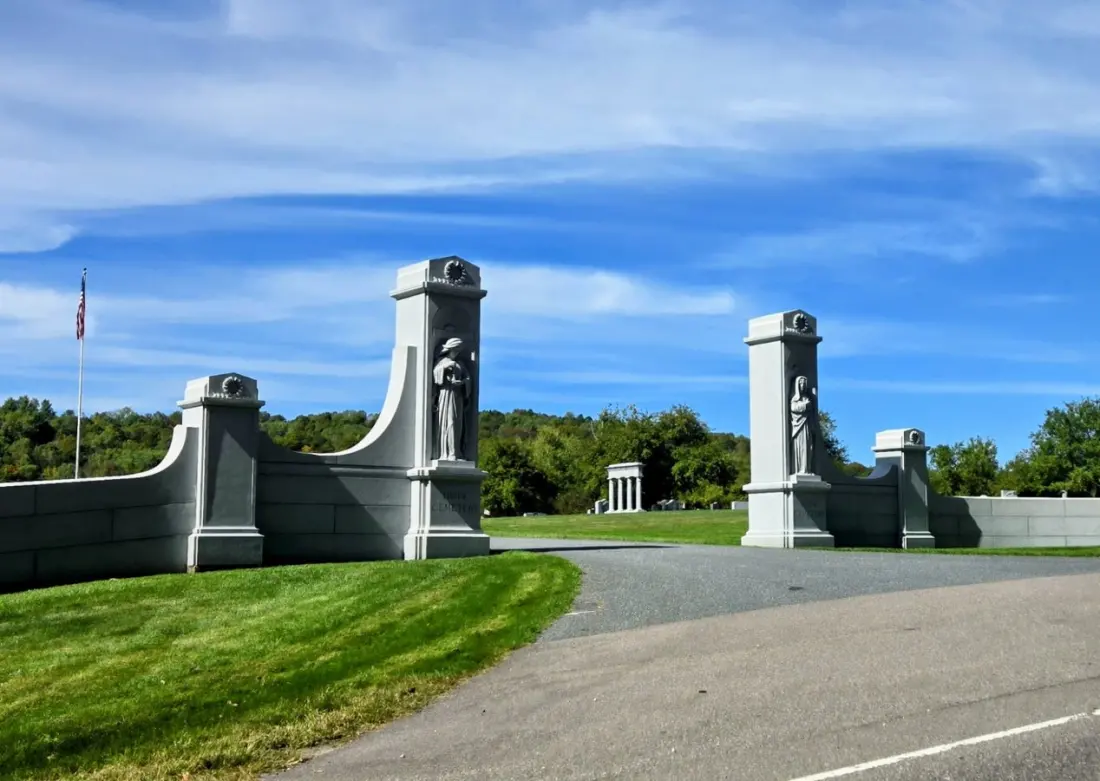
That hard history is still visible. A large section of Barre's Hope Cemetery holds the graves of the carvers themselves, their headstones cut by fellow stoneworkers — many of them extraordinarily ornate, which is why the cemetery draws visitors to this day. The Granite Museum tells the rest of the story: the workers who organised and made Barre a centre of labour rights, the machinery that eventually filtered the air and cut silicosis rates, and the small number of sheds where artisans still carve by hand.
The rest day had its own small pleasures. The hikers heard a friend — a church musician on his way to Lebanon — perform two pieces by Dietrich Buxtehude, the 17th-century German composer whose Abendmusiken concerts the young J.S. Bach likely attended, inside a stately old New England church. Another companion, Rock Rabbit, slept off the drama of a fast push over Camel's Hump and caught up with friends he hadn't seen in 30 years. And the hosts themselves proved worth the visit: they spent years restoring an antique house that lacked heating, plumbing and electricity in more than half its rooms, and their gardens are popular enough that strangers stop just to look — one even left a painted thank-you rock tucked among the flowers.
For anyone walking the 273-mile Long Trail, this is a reminder that Vermont's trail towns carry more than resupply points. Barre makes an easy detour off the corridor between Montpelier and the Duxbury area, and Hope Cemetery alone justifies an hour. But the deeper takeaway is the one the hikers themselves landed on: a zero day, good friends and a rain-soaked small town can reset a trip as surely as any view. Tomorrow, they head back to the trail with a new plan — reoriented, fed and rested.