
Lions and leopards get the spotlight, but some of Africa's most memorable sightings are the oddballs — the animals that look assembled from spare parts. A recent round-up of the region's strangest species highlights exactly where travellers should go, and one reserve keeps coming up: Tswalu Kalahari and the Kgalagadi Transfrontier Park.
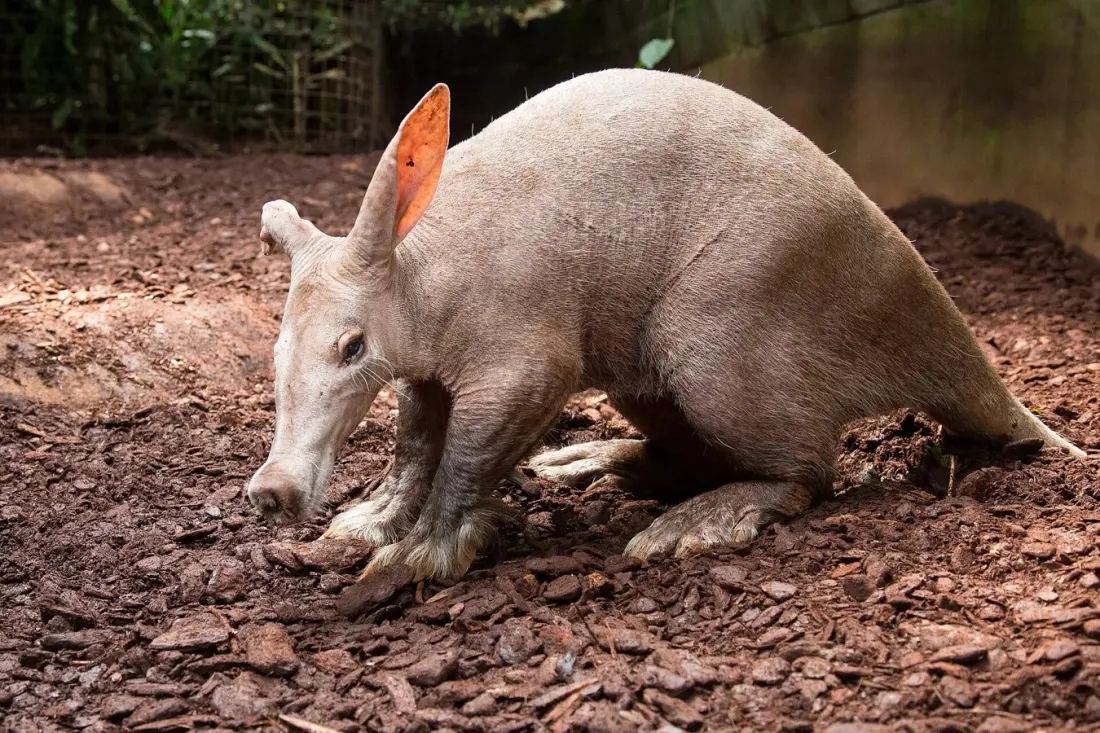
The aardvark tops the list. Long ears, a pig snout, digging claws, a thick tail — it's built almost entirely for one job: eating ants and termites after dark. It spends its days underground, and the burrows it excavates later shelter other animals. You'll find it across South Africa, Namibia, Botswana, Zimbabwe and Mozambique, with the best odds in the country's drier reserves.
Then there's the aardwolf, which looks hyena-ish but eats almost nothing except harvester termites, hoovered up with a sticky tongue. It's widespread in South African grassland and scrub, with Tswalu, the Kgalagadi and parts of the Eastern Cape all offering chances of a sighting.
The bat-eared fox looks like a fox designed around its ears — and those ears are functional, picking up the sound of insects underground and under vegetation. It follows the termites across Namibia, Botswana and South Africa. The Kgalagadi is the classic place to look, and the Northern and Western Cape also fall within its range.
The honey badger is the generalist of the group: compact, famously tough, and willing to eat small mammals, reptiles, insects — the name suggests honey, but that's only part of the menu. The problem is that it's solitary and roams huge distances, so sightings require luck. The Kalahari and other dry regions, again including the Kgalagadi, are good habitat.
One entry breaks the Southern Africa frame entirely: the giraffe weevil, a Madagascan insect whose males sport an extraordinary elongated neck used in contests with rivals. It's a reminder that Madagascar's native forests hold species found nowhere else on Earth — a worthwhile detour for anyone who cares about weird wildlife.
Why does this matter for your trip? Because these species reward a different style of safari. They're nocturnal, elusive, or quietly going about their business away from the main tourist circuits. Spotting one takes patience, night drives, and a guide who knows what to look for — but that makes the sighting far more memorable than ticking off another elephant herd. If you want a trip built around them, the Kgalagadi Transfrontier Park and Tswalu Kalahari Reserve are the natural bases, ideally with a few nights in each and an appetite for very early mornings and very late evenings.
Full story via Getaway South Africa.