Architect Doug Burdge has designed around 300 homes and businesses in Malibu over three decades — and wildfires have destroyed his own houses three times. His Spanish-style hacienda burned in the 2025 Palisades Fire, his red Vermont-style farmhouse and vintage Airstream office went up in the 2018 Woolsey Fire, and he first built on a lot left bare by the 1993 Old Topanga Fire, which levelled more than 200 homes in the area. That track record of loss has turned him into one of the loudest voices arguing that wildfire-prone places need to design for fire as a certainty, not a surprise.
His pitch is a "Malibu Standard": a globally recognised benchmark for fire-resilient home design that could make the famous coastal community a model for everywhere else in the American West. He draws on lessons from bushfire-prone Australia — his staff architect works directly with contacts there — and from hurricane-hardened building he saw while working in Cabo San Lucas.
The practical core of his philosophy is surprisingly unglamorous. Start by removing what he calls "the kindling": wood fences, railroad ties, plastic bins, lumber piles and that neighbour's wooden shed sitting on your property line. Anything flammable within touching distance of the house is a fuse. Then harden the structure itself — Class A roofing in metal, tile or asphalt; non-combustible siding like stucco, fibre cement or stone; dual-pane tempered windows instead of vinyl, which melts. On new builds he skips attic vents and crawl spaces entirely, since ember intrusion through vents is one of the leading causes of houses catching fire during wildfires. Retrofit? Fit fine metal mesh over vents and seal the eaves.
Burdge also favours tech that didn't exist a decade ago: automated roof and eave sprinkler systems with fire-retardant foam, remote activation and battery backup; onsite water sources such as ponds or tanks; and concrete-clad panel systems as an alternative to timber framing. Just as important, he says, is people — he wants neighbourhoods in the wildland-urban interface to form community brigades that keep up fire-hardening habits in normal years, not just during emergencies. His comparison for ignoring architects when writing fire codes: generals planning battles without talking to the soldiers.
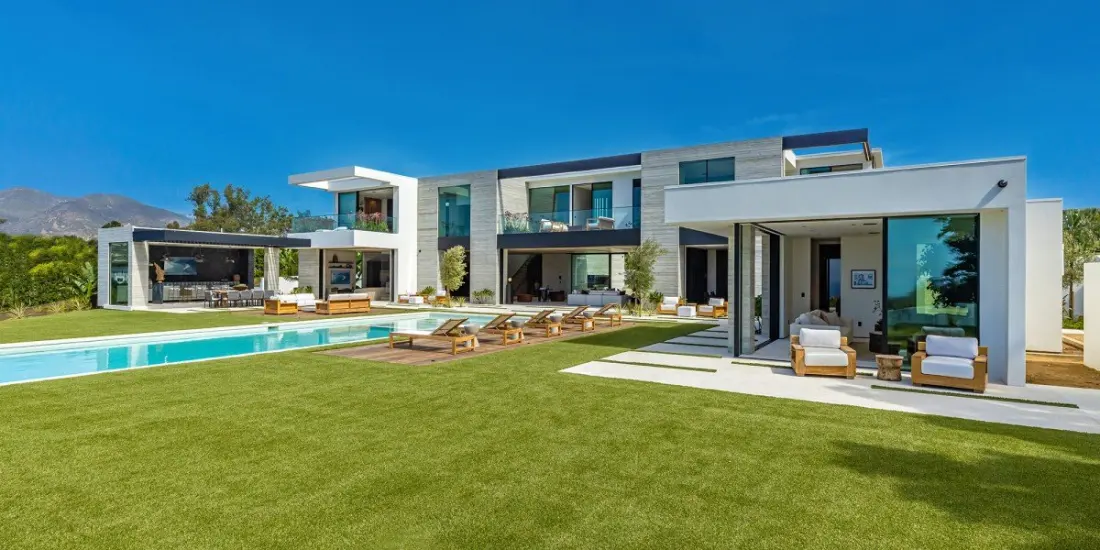
Why should a traveller care? Wildfire risk now shapes bookings across California and the wider West — it affects where holiday rentals sit, whether insurance exists, and what a rebuild looks like after a destination town takes a hit. Anyone who owns, rents or is buying a place in a fire-prone area, from Malibu to the Mediterranean, can borrow these ideas today. And the 2022 Sunset Idea House, a Burdge rebuild of a Woolsey Fire casualty, shows that resilient doesn't mean brutal: heat-resistant windows, metal roofing and flame-retardant siding wrapped in a warm, entertaining-friendly family home. The fires will come back, Burdge says — the question is whether what we build is ready for them.