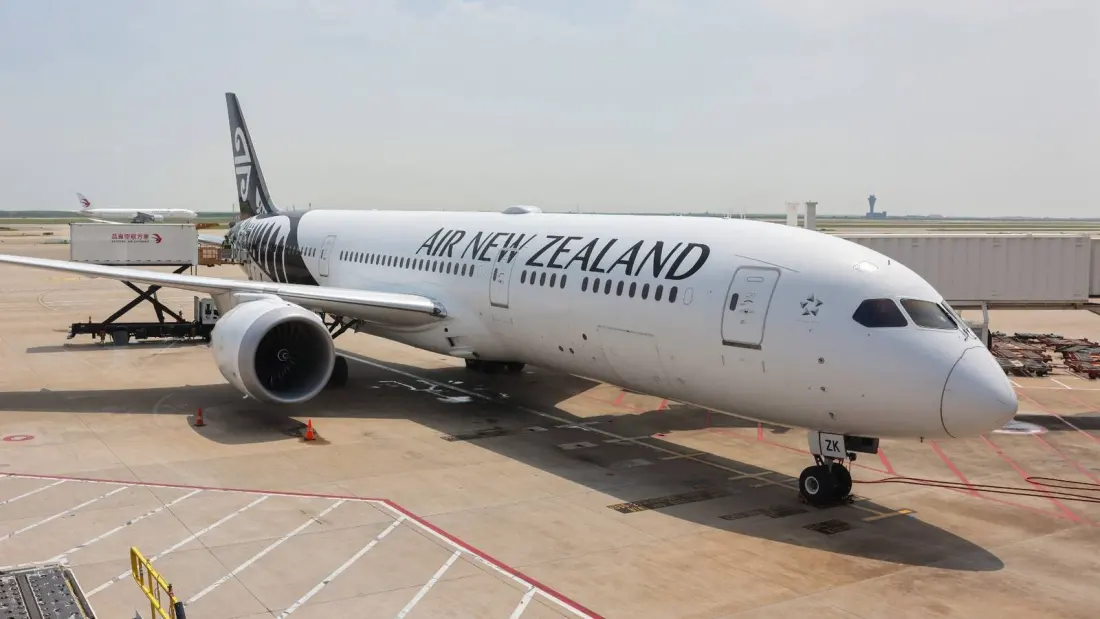
Air New Zealand's NZ7 from San Francisco to Auckland never left on schedule on September 7, and the reason had nothing to do with the aircraft. The Boeing 787-9 was reportedly sidelined because two pilots were allegedly involved in an altercation during their layover in San Francisco, leaving the airline without a legally rested crew member to fly the transpacific service. The airline has confirmed only that it was investigating an off-duty matter involving two crew members in the United States; it has not publicly verified that a physical fight took place, so the specifics remain unproven allegations.
Passengers were initially told the flight was cancelled because a pilot had fallen ill. The airline scrambled to find a replacement, but a substitute pilot already in San Francisco could not simply step into the cockpit. Long-haul crews are bound by strict mandatory rest rules, and the stand-in had not completed the required rest after flying in from New Zealand. The outcome: a delay of more than 14 hours and a rebooking of everyone onto a later service.
What makes the case notable is where it happened — off the aircraft, off duty, and thousands of kilometres from Auckland. According to reports tracing back to the Air New Zealand pilot community, word of the dispute spread well before the airline offered any explanation. New Zealand's Civil Aviation Authority has been notified, which doesn't imply any violation but means the matter could face regulatory scrutiny alongside the airline's own investigation.
The episode is a clear illustration of how fragile long-haul scheduling can be. A single unavailable crew member on a transpacific route can't be quickly replaced, because any substitute must hold the right qualifications and — crucially — be legally rested. Even a major international gateway like San Francisco, with plenty of Air New Zealand traffic, offered no fast fix that day. Hundreds of passengers paid the price for a problem that began far from the departure gate.
For travellers, the practical takeaway is less dramatic but useful: crew-related disruptions on long-haul routes are rarely resolved quickly, and airlines may initially give an incomplete explanation while they sort out the facts. If you're flying a once-daily long-haul service like Auckland–San Francisco, building slack into onward connections is smart insurance. The alleged fight itself is still just that — alleged — until Air New Zealand or the CAA releases findings.
Original story: Simple Flying.