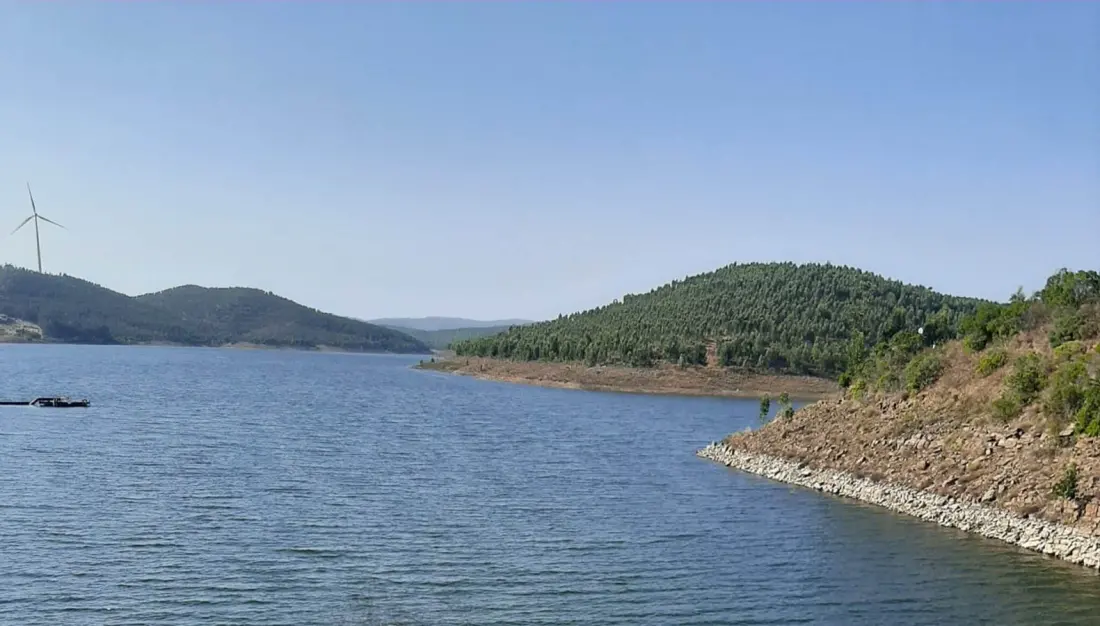
Good news first: the Algarve is heading into the new water year with its six main reservoirs sitting at 74% capacity. That's roughly 328 million cubic metres stored — about 13 million more than at the same point last year — and a far cry from the anxiety of recent drought seasons.
But the Portuguese Environment Agency (APA) doesn't want anyone celebrating too hard. Its president, José Pimenta Machado, put it plainly to the Lusa news agency: "We have water. We don't have water to waste." His argument is that the current comfortable position is exactly when the region should be investing, not resting — building resilience before the next dry spell, not during it.
The priority list is practical. The APA wants to cut leakage from urban water networks and farm irrigation, recover water that currently goes to waste, and push overall efficiency across every sector — households, tourism, agriculture and services included. Given how much of the Algarve's economy depends on golf courses, hotel pools and full restaurants in August, tourism has a real stake in all of this.
Two big infrastructure projects feature in the plan. One is a desalination plant for the region, which Machado describes as a supply source that doesn't depend on rainfall and can keep things running during scarcity. The other is a planned link between Pomarão and the Odeleite reservoir, designed to boost the amount of water available and make the whole supply system more resilient.
The numbers come from the APA's National Water Resources Information System, and the timing matters: Portugal's hydrological year runs from October 1 to September 30, so the region is effectively starting a fresh accounting period on a relatively strong footing.
Why should holidaymakers care? Because the Algarve's water situation directly shapes the visitor experience. In past drought years, municipalities have restricted irrigation of public spaces and golf courses, and some coastal towns have faced pressure on supply at the height of summer. A healthier reserve level means fewer restrictions and a more reliable holiday — but the APA's message is that the region's long-term appeal depends on using this breathing space wisely. If you're travelling there, doing your bit (shorter showers, reusing towels) is increasingly part of the deal, not just a nice gesture.
Portugal Resident