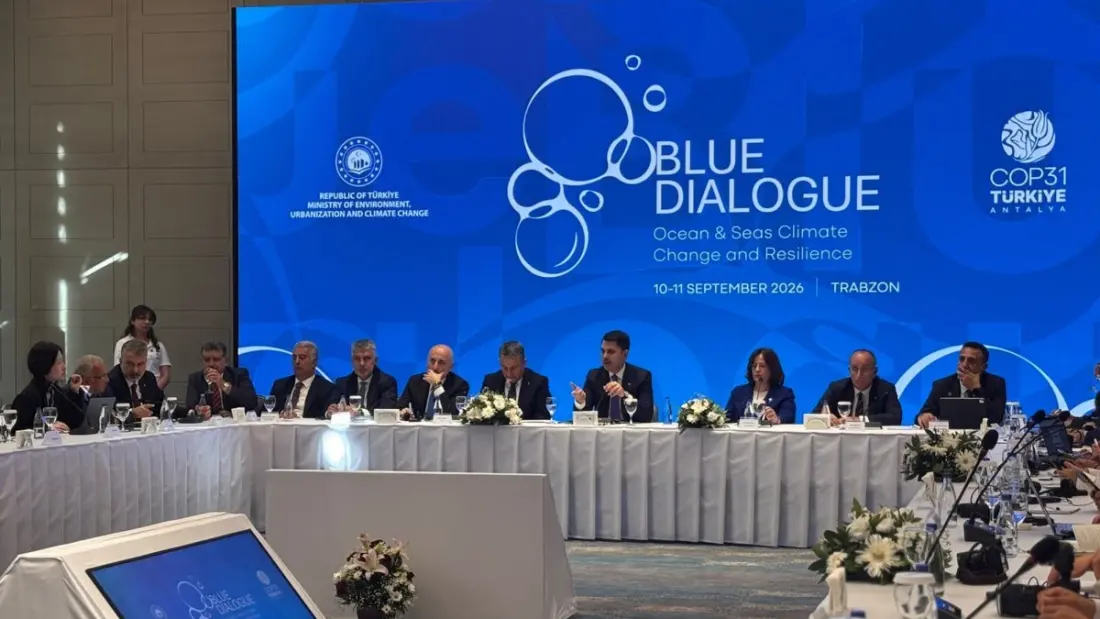
Türkiye is preparing to host its first COP climate summit, and it is arriving with an unusual talking point: the surging electricity appetite of artificial intelligence. Speaking at Climate Week in New York, COP31 President-designate Murat Kurum — the country's environment and climate minister — unveiled a "climate-responsible AI" initiative meant to push tech firms toward clean energy for their data centres.
The summit itself runs in November in Antalya, on Türkiye's Mediterranean coast, with nearly 200 nations attending. Kurum was blunt about the mood: fears about AI's energy use have grown fast, and he argued governments should start setting terms, expecting companies to be transparent about energy consumption and to switch to clean power.
Two concrete tracks are in the works. First, a voluntary political pledge, being drafted with a U.N. agency, would align AI infrastructure build-out with climate goals — crucially, it avoids the consensus-based formal negotiations, sitting instead on the parallel "action agenda" hosts traditionally run alongside the main event. A draft is expected before the summit opens. Second, a showcase of pilot projects will demonstrate responsible AI use in practice, and the summit will feature a dedicated technology and AI day, launching a portfolio of AI-enabled clean-tech pilots linking developers, industry and investors in areas like cars and heat pumps.
Türkiye's headline proposal, though, is about electricity more broadly. Its "35x35" initiative targets raising the share of global energy demand met by electricity to 35% by 2035 — up from roughly 20% today, with most of the rest still coming from fossil fuels. In practice that means swapping gas boilers and diesel engines for electric alternatives, backed by clean power generation, storage, modernised grids and support for developing countries making the shift. A voluntary tracking mechanism would monitor collective progress.
Beyond AI and electrification, the Turkish presidency is asking countries to back initiatives on cutting waste emissions, making cities climate-resilient and accelerating electrification.
For travellers, the takeaway is practical as much as political: Antalya in November will be busy, with tight hotel availability, heavy security perimeters and congested roads around the conference zone. If you were eyeing the Turkish Riviera for a late-autumn break, either book far ahead, expect elevated rates, or consider shifting your dates. On the flip side, the summit is a signal of how central Antalya has become for major international events, and the climate theme is likely to shape everything from local sustainability drives to how hotels in the region market themselves in the coming years. Anyone travelling on should also note the broader context: COP outcomes tend to filter into aviation and energy costs over time, so the debates in Antalya this November will quietly touch future holidays too.