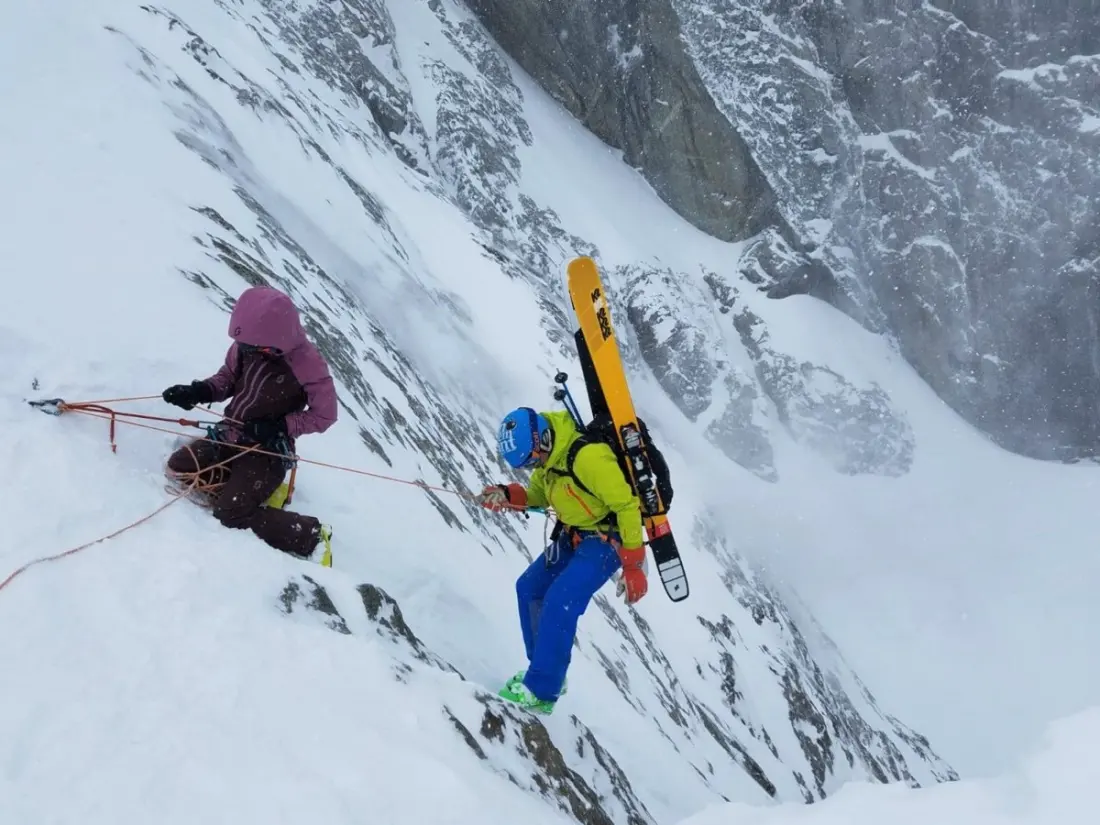
The fantasy version of the mountain guide is easy to picture: sun-weathered, unflappable, dropping into spine-tingling couloirs with a client in tow and a cigarette hanging from the lip. A recent Ski Magazine feature punctures that image hard, talking to three guides and aspiring guides about what the job actually involves — and the picture is far grimmer and more deliberate than the highlight reels suggest.
The most striking statistic comes from Pete Mason, one of the first Americans to pass both the UIAGM international guide certification and France's notoriously tough ENSA: nearly a quarter of his graduating class, he says, is dead. That line, dropped during a three-day avalanche course, reframes guiding from dream job to a profession built on risk management and, sometimes, grief.
The path itself is long and unglamorous. Filip Rentschler, a 27-year-old carpenter from southern Sweden — a region he notes is better known for canoeing than couloirs — got hooked during a winter in Verbier and is now working toward certification. Like many guides, he's funding it through day jobs, van living, frozen early mornings and long stretches away from family and friends. His motivation isn't endless powder days; it's sharing the mountains with other people. "I find more joy in that compared to solely pursuing personal goals," he told the magazine.
Erin Smart, a Seattle-born UIAGM guide who now works in La Grave, the French freeride town famous for its ungroomed, unpatrolled terrain, describes the less visible side of the work: turning clients down. Aggressive visitors arriving with a checklist of steep lines get told she's busy. A Chamonix touring service summed up the professional ethos in three words: "We are not kamikaze." A good guide's core skill, it turns out, is saying no.
The numbers behind that caution are sobering. Swiss avalanche expert Manuel Genswein puts the fatality rate for ski touring within conservative "green range" risk strategies at roughly 1 in 100,000 days. Stretch that across 20 seasons of 50 days each and the cumulative risk climbs to about 1 in 100. Mason's blunt framing: from pure mathematics, the profession carries a dark side, and it could arrive any day. Last winter Smart helped with a rescue after a deadly avalanche near where she was skiing; in March, her life partner — also a guide — died when a ski anchor that rescuers described as textbook nonetheless failed.
For travellers, the takeaway is clear. Hiring a guide isn't buying untracked snow on demand, and it isn't a safety talisman that makes serious terrain safe. It's paying for judgment — including the judgment to cancel your dream day. Guides who refuse objectives aren't flaking; they're doing the job. Recreational skiers heading into the backcountry should absorb the same math: the risks compound over a career of days, and "accepting the risk" means more than most people think.
As Smart puts it while processing her loss: a life without any risk isn't much of a life. But the professionals carrying that risk on our behalf deserve more credit than the powder-concierge stereotype allows.