
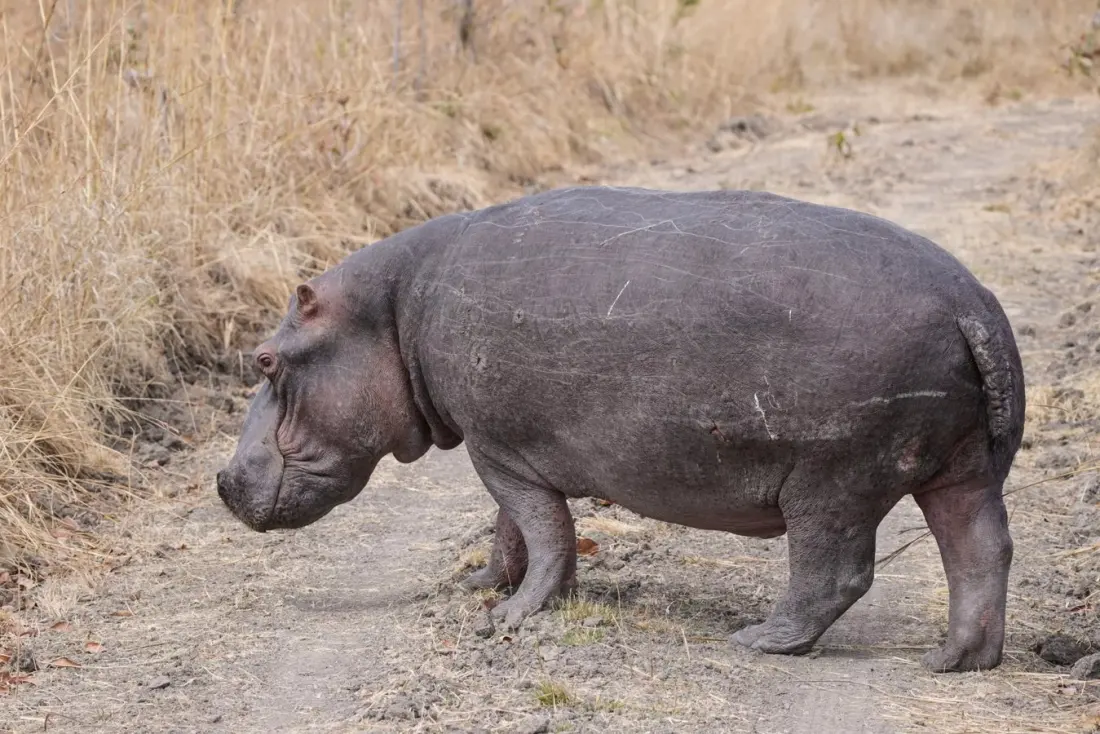
Zambian authorities are urging people not to touch or eat meat from animals that have died suddenly, following an anthrax outbreak that has killed dozens of wild animals in the country's north-east.
Since July, at least 46 hippos, eight elephants, five buffaloes and a crocodile have died in the Munyamadzi Game Management Area in Muchinga province, according to Zambia's Disaster Management and Mitigation Unit. The outbreak has spilled over to people: twelve locals reportedly contracted anthrax after eating meat from dead wildlife. All are receiving treatment and no human deaths have been recorded so far.
Officials have told communities not to consume, sell, distribute or handle carcass meat while surveillance and laboratory testing continue. Hunting in the affected area has been suspended until the risks are better understood. Norman Chipakupaku, the unit's national coordinator, said the situation was worrying partly because some carcasses had already been eaten — bushmeat is a staple for many families living around the reserve.
Anthrax is caused by the bacterium Bacillus anthracis, whose spores can lie dormant in soil for years before infecting grazing animals, often killing them suddenly. Humans usually catch it through direct contact with infected animals or contaminated animal products. The dry-season flush of carcass eating and handling is exactly how outbreaks like this spread.
It's not Zambia's first brush with the disease. In 2023, an unusually large outbreak reached nine of the country's ten provinces and killed four people. A 2011 outbreak tied to infected hippo meat produced more than 500 cases and five deaths.
For travellers, the practical takeaway is simple: if you're visiting or passing near game reserves in Zambia, steer well clear of any dead animal you come across and report it to rangers. Bushmeat sold informally along rural roads is best avoided at the best of times — during an outbreak, it's a genuine health risk. Safari-goers with trips booked to the Luangwa Valley or northern parks should also keep an eye on updates, since hunting concessions near Muchinga are closed for now. Ordinary game viewing and lodge stays are unaffected, and the warning is aimed mainly at communities that handle or eat wildlife meat. Standard safari precautions — don't touch wildlife, follow your guide's lead — cover you for this one.