Bhutan may be famous for its fortress monasteries and carbon-negative forests, but the kingdom's Annual Health Bulletin 2026 contains numbers worth knowing before you go — especially if your itinerary involves remote valleys or multi-day treks.
The headline figure: Bhutan now has 463 doctors, up 46 percent from 318 in 2019, and 1,869 nurses — the highest count for both groups in seven years. Nurse numbers jumped by 505 over the same period, and the bulletin credits sustained medical training and recruitment. Pharmacist numbers also climbed, from 48 in 2024 to 61 in 2025, alongside 73 traditional-medicine doctors (Drungtshos) and 166 Menpas, reflecting Bhutan's unusual dual system where modern and traditional medicine sit side by side.
The infrastructure behind those staff is remarkably extensive for a country of under 800,000 people. In 2025 there were 62 hospitals (including military and IMTART facilities), 189 primary health and traditional medicine centres, and 53 sub-posts serving rural communities. The real lifeline for visitors venturing beyond the western hubs of Thimphu and Paro is the network of 540 outreach clinics — though it's worth noting that 70 of them operate without sheds, a hint at just how basic some remote posts remain.
There's a caveat in the data. Health Assistants — frontline generalists often posted to villages where doctors aren't — have fallen from a peak of 683 in 2021 to 566 in 2025, with density dropping from 8.95 to 7.16 per 10,000 people. The bulletin calls this decline worrying, and it's the one weak spot in an otherwise positive picture.
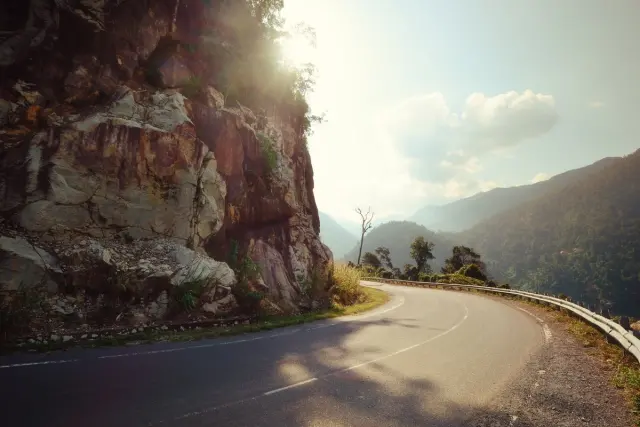
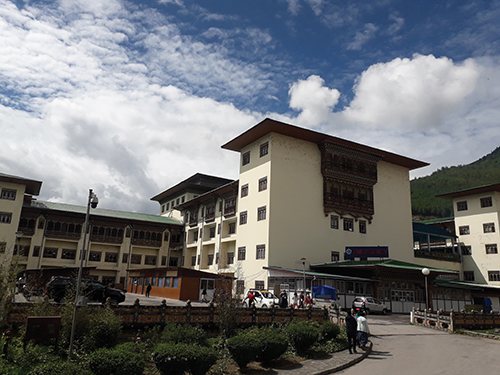
Why should a holidaymaker care? Bhutan's tourism model pushes visitors into the countryside — Haa Valley, Phobjikha, eastern districts few foreigners reach. Knowing that the country maintains a dense web of facilities, and that clinical staffing is trending up, adds a layer of reassurance when you're hours from a city. For minor illness or injury on the road, a Basic Health Unit or outreach clinic is usually closer than you'd expect. For anything serious, Thimphu's Jigme Dorji Wangchuck National Referral Hospital is the main referral centre, and comprehensive travel insurance with medical evacuation cover remains essential given the mountainous terrain.
The figures are drawn from clinical staffing data as of March 2026, with facility numbers relating to 2025, and the Ministry of Health is expected to provide further updates. None of this changes the practical advice for travellers — carry your own medications, drink bottled or filtered water, and take altitude seriously in Thimphu and beyond — but it does confirm that Bhutan's famously well-run public health system is heading in the right direction, even in its smallest clinics.