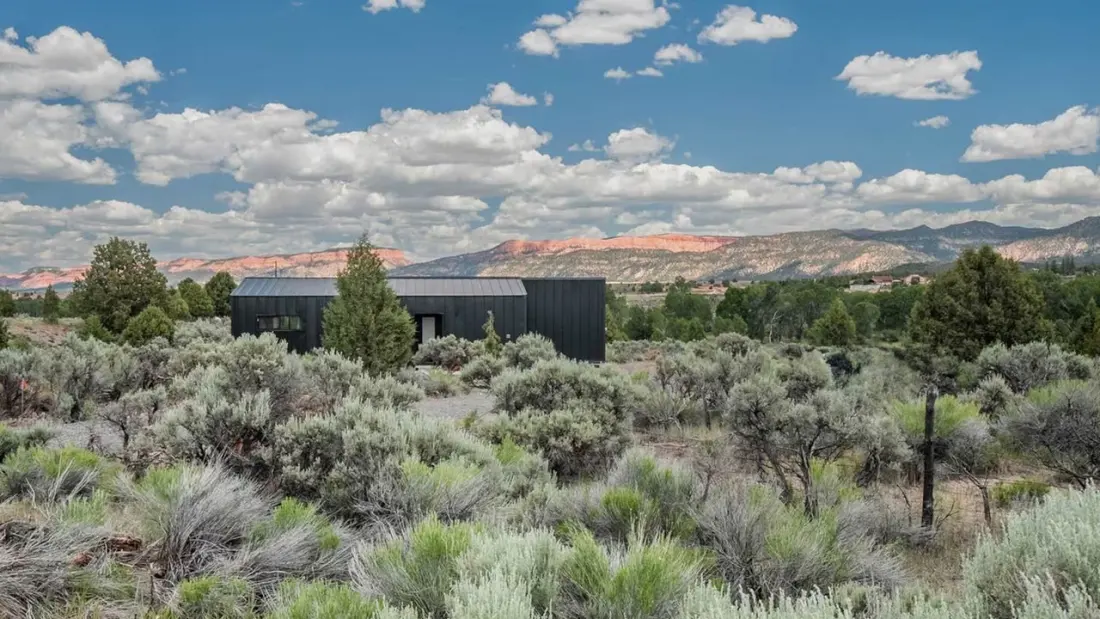
Bryce Canyon National Park sits in a remote corner of southern Utah, and its signature sight is one of the strangest in America: thousands of hoodoos, tall thin rock spires glowing orange and red. At 6,600 to 9,100 feet — higher than Zion or Arches — the park also has some of the darkest skies in the country, making stargazing a genuine headline act, not an afterthought.
Getting there takes commitment. The nearest major airports are Salt Lake City and Las Vegas, each roughly four hours away. Most visitors arrive via Highway 12, a 122-mile scenic route running from Panguitch to Torrey (the gateway to Capitol Reef), before turning onto UT-63 and through Bryce Canyon City to the entrance.
Where you sleep matters here. Options range from the park's North and Sunset Campgrounds — RV-friendly but without hookups — to glampsites, lodges and view-facing cabins scattered nearby. Alternatives include campgrounds at Red Canyon, 15 minutes away, and Kodachrome Basin State Park, about 40 minutes out. The article behind this brief rounds up the stands-out Airbnbs, inns and hotels, most chosen for their views.
Once you're in the park, hoodoo-viewing is the main event. The 17-mile scenic drive links the big lookouts — Sunrise and Sunset Points, Farview, Piracy Point and Rainbow/Yovimpa at the far end — and is best at dawn or golden hour. For hikers, Queen's Garden and Navajo Loop are the quickest routes down into the amphitheater and can be combined into a three-mile loop. Short on time? The one-mile Bristlecone Loop passes trees nearly 2,000 years old. Ambitious types can tackle the eight-mile Fairyland Loop or the 23-mile Under-the-Rim Trail, though overnight backpacking requires a permit. For a different pace, Canyon Trail Rides runs horseback tours April to October ($85 for two hours, $125 for three).
Winter is a wildcard. Snow against red rock is spectacular, crowds thin out, and there's snowshoeing and cross-country skiing — including full-moon night hikes via the Bryce Snowshoe Program. The catch: some lodgings and many restaurants close from November to February, and you may need a 4WD.
Food-wise, the Lodge at Bryce Canyon houses the only restaurant inside the park, serving April through October (elk chili and ribeyes included). For something better, skip Bryce Canyon City and book a table at Stone Hearth Grille in Tropic, a locally sourced New American spot with red rock views from the patio. After dark, the Dark Ranger Observatory, 10 minutes from the park, runs telescope stargazing sessions with astronomers from May to October.
Don't stop at the park boundary, either. Red Canyon, under 20 miles along Highway 12, has its own spire-filled hikes and the eight-mile Thunder Mountain Trail for biking or horseback. Cedar Breaks National Monument, an hour west, drops 2,500 feet into a crimson amphitheater of hoodoos — and gets a fraction of Bryce's crowds.
This one's for road-trippers and national park collectors planning a southern Utah loop — the kind of trip where booking lodging months ahead is the difference between a view and a parking lot.