Chile has spent years in the shadow of Peru's ceviche temples and Argentina's steakhouses. That's changing fast, and a new wave of culinary trails, vineyard restaurants and Indigenous-led kitchens is giving travellers plenty of reasons to eat their way down the country.
An easy day trip or overnight from Santiago, the Ruta de los Abastos ("Supply Route") in the O'Higgins region links small family producers across wildly varied terrain — fertile valleys, salt pans, 4,000-metre mountains and the coast. On a guided visit you might forage the shoreline with fourth-generation seaweed harvester Cecilia Vargas south of the surf town Pichilemu, learning how her community dives for cochayuyo, a mineral-rich seaweed that turns up in Chilean stews. Nearby salt farmers still extract salt by hand, seasoning it with coriander and merquén, a smoky local chilli.
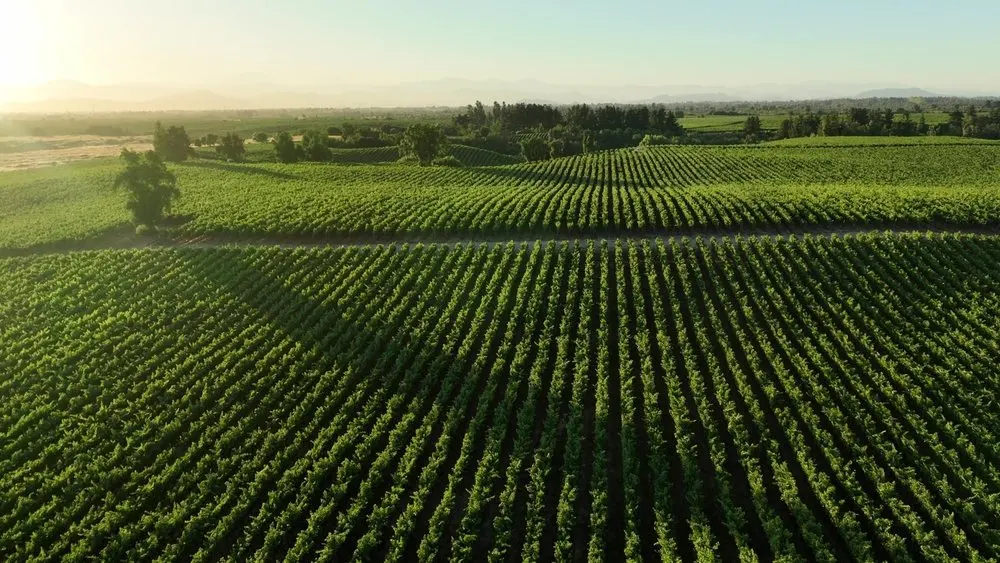
Wine is the other obvious draw. The Colchagua Valley, around 2.5 hours south of Santiago, is the heartland of carménère, a Bordeaux grape that Chile has made its own. Neyen de Apalta, an organic and biodynamic estate, pours it from a 19th-century adobe cellar, including blends from ungrafted vines planted in the 1800s. At Viu Manent, the Food&Wine Studio serves a five-course tasting menu by Cordon Bleu-trained chef Pilar Rodríguez, matched with the estate's wines. Closer to the capital, the Casablanca Valley specialises in saline, sea-kissed whites — family-run Casa Villard does a four-course paired lunch.
For something stronger, fly an hour north to the Elqui Valley and tour the copper stills at the historic Mistral distillery in Pisco Elqui, then learn to mix a proper pisco sour. The valley's famously clear skies make a stargazing trip — on foot or horseback with a guide and telescope — the ideal nightcap.
Santiago itself now holds its own at the top table. Boragó, chef Rodolfo Guzmán's restaurant, regularly appears on the World's 50 Best list with an eight-course Endemic menu built on foraged forest fungi, conger eel and the citrusy herb rica-rica. For something more down-to-earth, Willimapu, tucked inside the sprawling Persa Bio Bio market, serves hearty Mapuche dishes — potato dumplings, seafood stews, more cochayuyo — rooted in Indigenous food traditions.
And Chile stretches over 4,200 kilometres, so the pantry keeps surprising. In the Atacama Desert near San Pedro, chef Sergio Armella's restaurant Ephedra cooks with desert-grown ingredients like caramel-sweet chañar fruit and citrussy suiko, with volcano views from the table.
Who's this for? Food lovers who've already ticked off Lima and Mendoza and want somewhere less rehearsed, plus wine drinkers after old-vine carménère without the crowds. Most of these experiences sit within a few hours of Santiago, so a single trip can mix coast, valleys and desert — just save the Atacama leg for a few extra days.