Travellers picking up a rental car in Colombia this month can cross one line item off their worry list. On 1 October, President Abelardo de la Espriella ordered the Ministry of Mines and Energy to scrap a gasoline price increase that had been announced barely a day earlier, keeping pump prices where they stood in September.
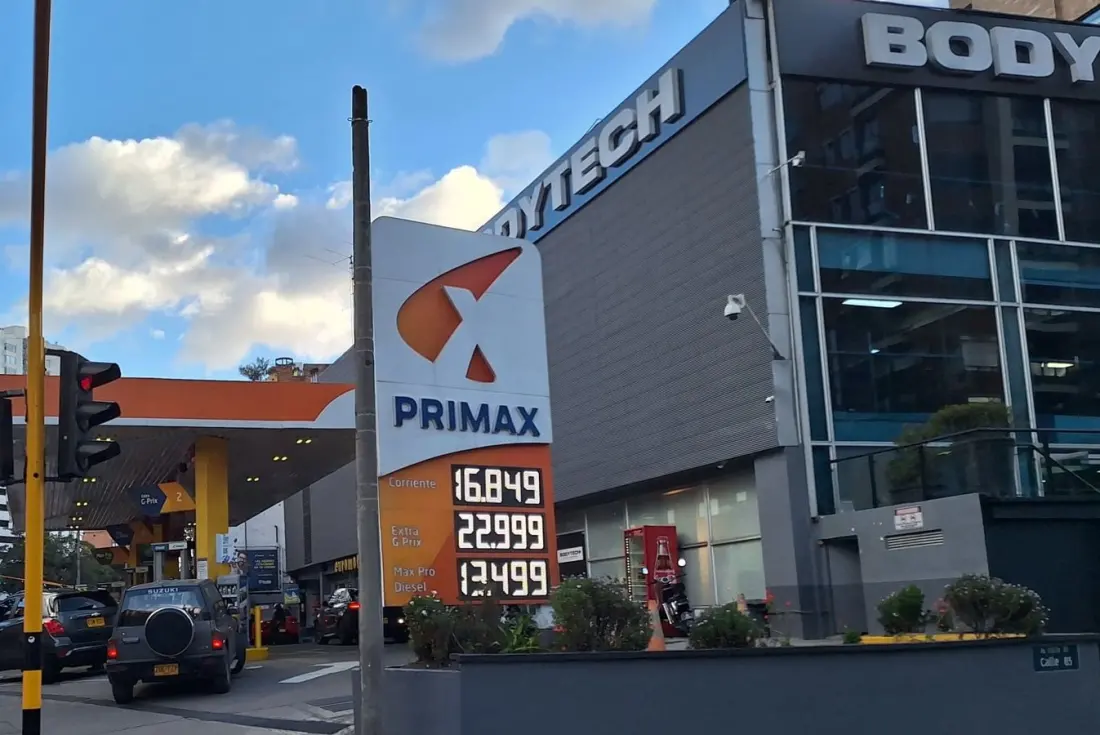
The abandoned adjustment was modest but real: an average of 46 Colombian pesos (about US$0.014) per gallon, a rise of 0.29%. Had it gone through, the average reference price across the country's 13 largest cities would have climbed from 15,886 to 15,933 pesos (roughly US$4.81 to US$4.83) per gallon. Diesel was never set to change.
The backstory is more interesting than the number. The rise wasn't about bigger margins for fuel distributors — it stemmed from an update to the price paid to ethanol producers. Ethanol in Colombia comes mainly from sugar cane, and Valle del Cauca, the heartland of that industry, was hit by an earthquake on 10 August. The price tweak was meant to give those producers some relief. In September, the government had already held gasoline and diesel prices flat to avoid piling pressure onto households and the cost of transporting food and medicine after the quake.
President De la Espriella, announcing the reversal after summoning Energy Minister María Nohemí Arboleda, said the freeze stays in place "while we seek permanent solutions" to international oil price swings, and framed it publicly as a matter of explaining pocketbook decisions to citizens rather than surprising them.
Useful context if you're driving in Colombia: fuel is still state-regulated, but the country has been gradually phasing out the big subsidies of the past. Reference prices per city are set through a formula covering producer income, transport, distribution margins, biofuels and taxes, with the Fuel Price Stabilization Fund (FEPC) smoothing out sharp international fluctuations — without running up the massive deficits it once did. In plain terms, you won't see wild swings at the pump, but prices do tick up periodically.
Why should a traveller care? Two reasons. First, if you're self-driving between Bogotá, Medellín, Cartagena or the coffee region, petrol will cost you around US$4.80 per gallon this month — budget accordingly, but don't expect a surprise increase on top. Second, the earthquake aftermath in Valle del Cauca is worth factoring into itineraries; the sugar-cane region around Cali is central to Colombia's ethanol supply, and recovery there is still a live issue.
This is a small saving, not a windfall — but for anyone planning a Colombian road trip, stable fuel prices for another month make budgeting a little easier.