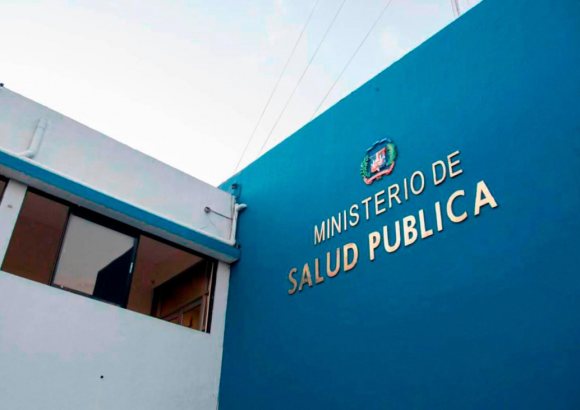
If mosquitoes factor into your Caribbean holiday maths, here's a stat worth knowing: the Dominican Republic is currently reporting one of the lowest dengue incidence rates in the Americas, at 8.57 cases per 100,000 inhabitants, according to the country's Ministry of Public Health.
That figure sits roughly 95% below the regional average of 158.1 cases per 100,000 across the Americas, placing the island near the bottom of the comparison table. For context, Brazil tops the list with 604.46 cases per 100,000, followed by Bolivia at 459.86, the Southern Cone at 448.69, Martinique at 401.78 and Panama at 226.59.
Plenty of other destinations that compete for the same travellers also logged higher rates: Ecuador (184.66), Peru (160.19), Colombia (147.03), Costa Rica (84.85), Guatemala (82.66), Mexico (38.21), Puerto Rico (27.37) and Cuba (16.03). Even nearby Cuba's rate is nearly double that of the Dominican Republic.
Health Minister Víctor Atallah credited ongoing epidemiological surveillance and control measures, and stressed that prevention is a shared job. His message to residents: clear away containers and anything else where stagnant water collects, since those become breeding sites for the Aedes aegypti mosquito that carries dengue. The ministry says it will keep up surveillance, prevention and control work to hold the trend in place.
Why does this matter for holidaymakers? Dengue is endemic across much of the tropical Americas and the Caribbean, and incidence can swing wildly between countries and seasons. A rate this low means the risk during a typical beach or city break in the Dominican Republic is small — and notably smaller than in several neighbouring destinations. It's reassuring news if you're weighing Punta Cana or Samaná against other sun options this year.
That said, dengue has no vaccine widely available to short-term visitors, so basic precautions still apply anywhere in the tropics: use repellent with DEET or similar, wear long sleeves around dawn and dusk when Aedes mosquitoes are active, and choose accommodation with screens or air conditioning. Travellers who are pregnant or immunocompromised may want to check current guidance before booking any tropical trip.
With rates this low and the health ministry actively monitoring the situation, the Dominican Republic is making a quiet case for itself as one of the region's safer bets right now.