Early reports from Himlung Himal in Nepal suggested last Sunday's avalanche had wiped out everyone at base camp. The fuller picture is grim but slightly different: while 14 kitchen staff and two guides died under roughly four metres of snow, 11 people whose tents stood away from the slide path survived. Witnesses say the avalanche didn't sweep tents and people downhill — it buried them where they stood.
The recovery operation has been difficult and contested. A first search team led by climber Mingma G found four bodies, then concluded the remaining victims were buried too deeply to dig out and called the effort off, preferring to wait for the snow to melt. But relatives of the dead — most of whom worked for the Kathmandu outfitter Himalayan Holidays Trek & Expeditions — pushed for the search to resume, along with the outfitter itself.
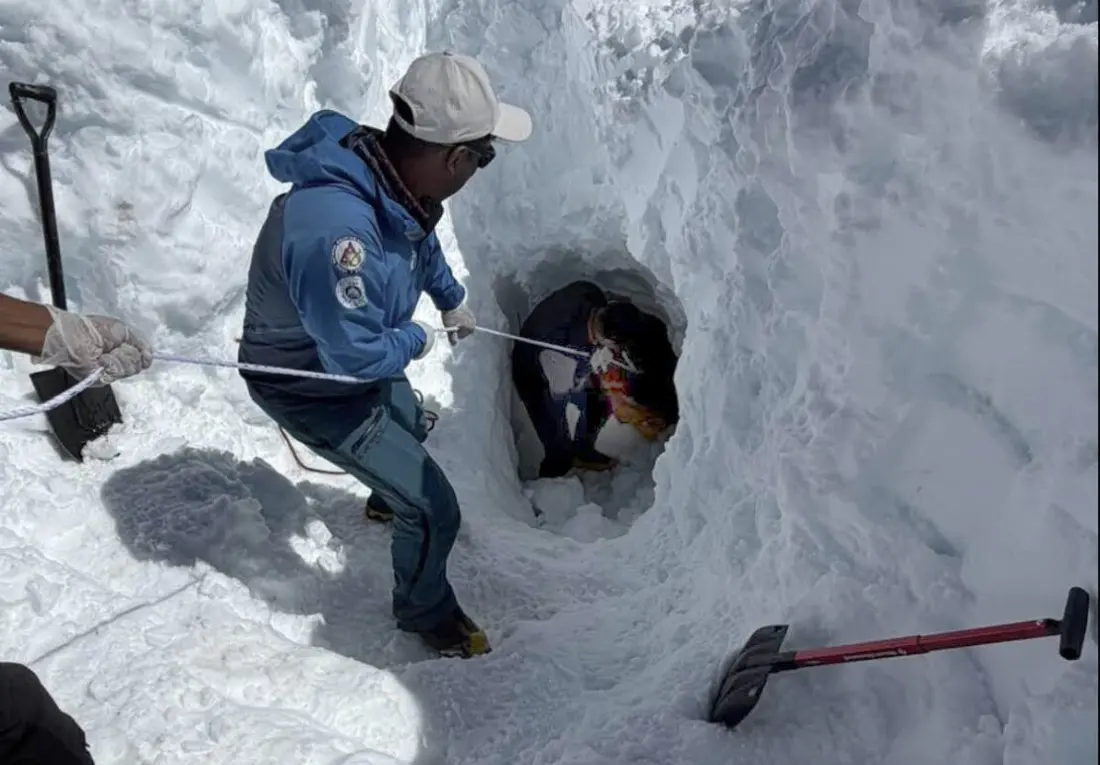
That second effort, organised with backing from the Nepal National Mountain Guides Association, is led by Pasang Kaji Sherpa and Bikram Karki, two of the original rescuers, with roughly 10 support personnel. Rather than shovelling surface snow, the team has dug tunnels beneath the debris field. That approach paid off: three bodies were recovered yesterday and eight more today, bringing the total to 15 alongside the four found earlier. One person remains missing as night fell in Nepal.
The timing matters for the wider climbing season. Himlung, a 7,000-metre-plus peak in the Manaslu region popular as a relatively accessible 7,000er, had been expecting several expeditions this autumn. According to permits issued by Nepal's Department of Tourism, one team with six foreign members is still planning to go ahead on the mountain despite the tragedy.
For travellers, the story is a sobering reminder of who actually bears the risk on Himalayan expeditions. The victims here weren't paying climbers but Nepali kitchen staff and guides — the workforce that makes commercial mountaineering possible, and who sleep in base camp tents through the very hazards that make headlines. Anyone booking a Himalayan trek or peak climb may want to ask operators pointed questions about base camp siting, avalanche assessment, insurance and welfare for local staff, not just summit ratios and guide credentials. The recovery continues on Himlung, and the season on Nepal's 7,000-metre peaks carries on around it.