
A heated row near the top of Austria's highest mountain has turned into a formal disciplinary case — and sparked a wider argument about crowding on popular alpine routes.
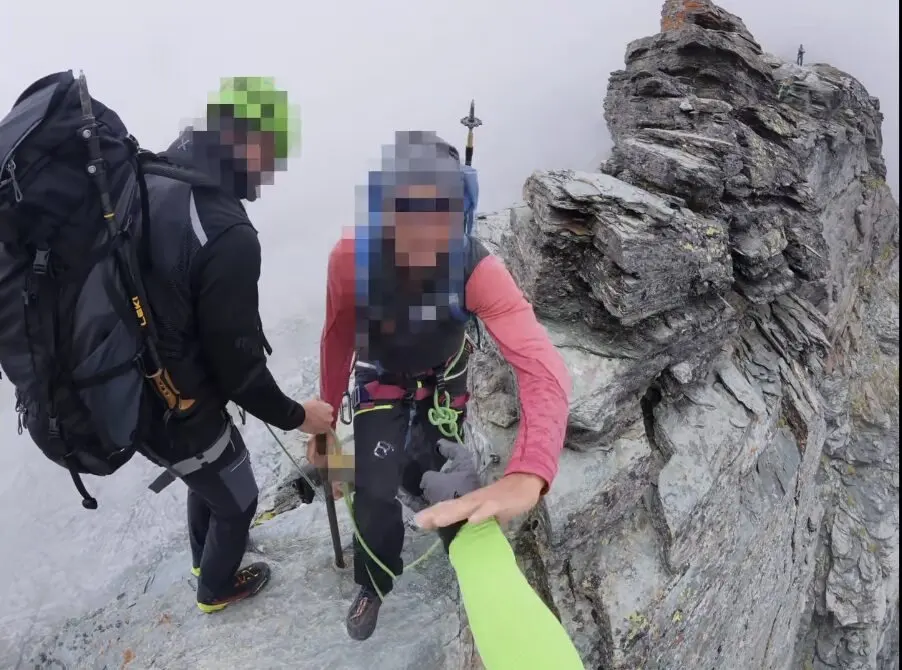
On August 22, a Polish climber waiting with his wife on the Mürztaler Steig trail of Grossglockner, at roughly 3,000m near the Erzherzog Johann Hut, filmed an encounter with a professional mountain guide. The couple were stationary while the wife carefully descended a cable-equipped via ferrata stretch when the guide, roped to two clients, came down from above, stepped between the pair, and pushed the woman aside. When the husband objected, the guide reportedly told him that as a Bergführer, he should simply accept it.
Things escalated quickly. The video, posted to Instagram, captures the guide climbing back up, yelling, and shoving and shaking the unroped man who was standing at the edge of a drop. The climber later wrote that the episode endangered not only himself and his wife but the guide's own two clients — and that while overtaking slower parties is normal in the mountains, he'd expect a professional to show basic courtesy and judgment.
The aftermath was swift. The Austrian Association of Climbing and Ski Guides publicly distanced itself from the guide's conduct after being tagged in the post, and a regional disciplinary committee of the Mountain Sports Association has opened an investigation.
The case has resonated because it touches a familiar nerve. Grossglockner, at 3,798m, is one of the most climbed peaks in the Alps, and its routes regularly clog with bottlenecks in summer. Commentators broadly agreed the guide's behaviour was indefensible, but many also noted how common these frictions are: slow or inexperienced parties on exposed, technical sections can create long delays, and there's often no obvious way past. The consensus is that a polite request and a patient wait would have solved this particular stand-off in minutes.
For anyone heading to Grossglockner, it's a useful reminder. Peak-season crowds are real, exposed via ferrata sections mean waiting is part of the deal, and headcams — as this case shows — can document exactly what happened. Knowing basic alpine etiquette, keeping cool in queues, and setting off early to avoid the busiest windows will spare you most of these conflicts entirely.