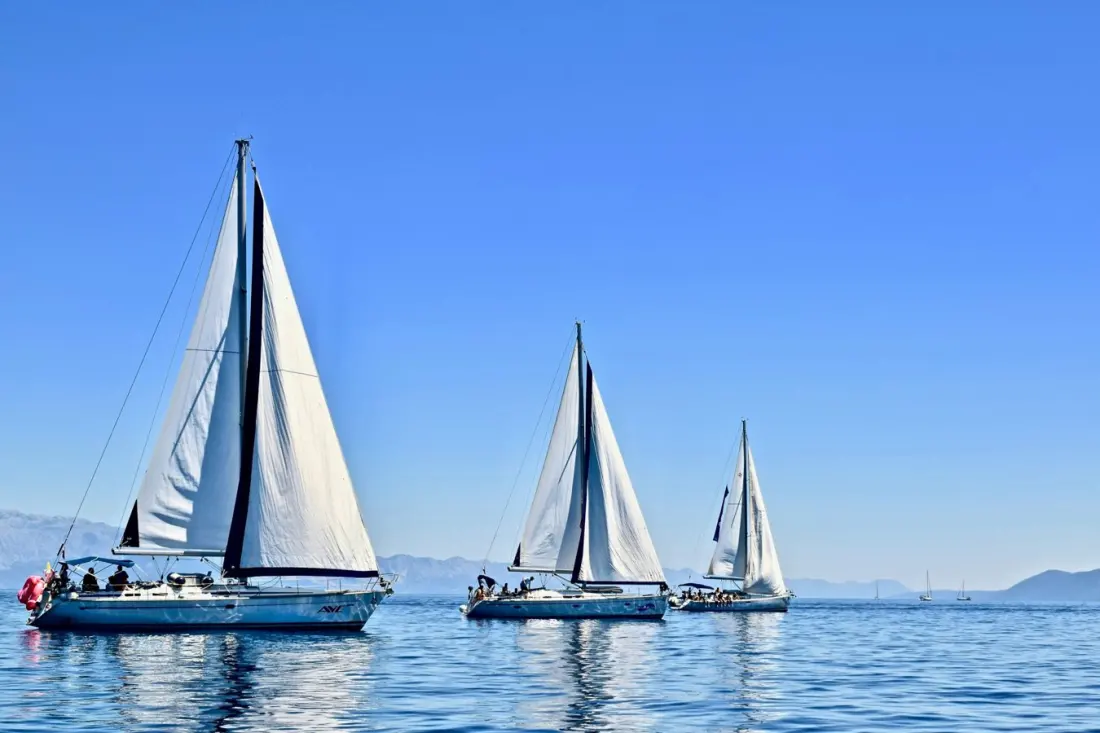
Sailing along the Adriatic has never been more popular in Croatia — and the country is now wrestling with how to keep that momentum going. In the first eight months of 2026, more than 431,000 charter guests arrived, racking up over 2.7 million overnight stays on the water. That's a serious volume of people sleeping on boats, and it puts Croatia among Europe's strongest nautical tourism destinations.
The numbers came up at a conference called Nautical Tourism of Croatia 2030, where industry figures and government officials took stock of the sector. The infrastructure is already substantial: 216 nautical tourism ports and related facilities, offering close to 19,000 berths for vessels. But speakers agreed that keeping this network competitive means continued investment — and that's where things get complicated.
A thorny issue is the expiring concessions for individual marinas. These long-term operating agreements are what give private companies the confidence to put money into pontoons, facilities and services. Minister of Maritime Affairs Oleg Butković said the government should soon extend concessions for existing operators whose paperwork is in order, working alongside the tourism and finance ministries and the European Commission. Concessionaires, for their part, say they're ready to keep pouring money into marinas and charter operations — provided they get legal certainty and a level playing field.
Seasonality is the other big headache. The lion's share of traffic and revenue lands in July and August, and Butković wants the sector to build a year-round business model with enough off-season content — events, services, destination experiences — to draw sailors in spring, autumn and even winter. On top of that, operators are dealing with rising running costs and a shortage of skilled staff, while the Ministry of Tourism and Sport is pushing green and digital transitions as the sector's next development directions.
For travellers, this matters in a practical way. A well-funded marina network means better facilities at the places you moor — cleaner sanitation, reliable power, decent restaurants — and a smoother charter experience from booking to check-out. If Croatia succeeds in stretching the season, the payoff for visitors is obvious: the same stunning islands and hideaway coves, but in May or October, when berth prices drop, the crowds thin out and the sea still welcomes the brave. Expect off-peak sailing in places like Šibenik, Split or the Kornati islands to become a much more compelling proposition in the coming years.
Who's this for? Anyone eyeing a sailing holiday in the Adriatic should watch how the concession saga plays out — investment certainty today shapes marina quality tomorrow. And anyone locked into the July-August mindset might find that a shoulder-season charter in Croatia is the smarter, cheaper, calmer way to do it.