From 1 October 2026, shops and service providers across Croatia face a fresh set of pricing rules, with fines running from €3 up to €30,000 for those who don't comply. The measures are the government's 11th anti-inflation package, rolled out as fuel prices climb once again — diesel is up 50% in six months, though a litre still sits under €2 in Croatia thanks to state interventions.
The headline change is the expansion of so-called anchor prices. Until now, traders in certain categories — food, drink, cosmetics, cleaning products, toiletries and household goods — have had to show a reference price from 2 May 2025 next to the current one. From October, that dual display extends much further: any covered product or service must also show the price that applied on 10 September 2026. The idea, according to the Ministry of the Economy, is transparency — making it harder for businesses to quietly pass fuel-driven cost increases onto everything else.
The second obligation is digital. Any trader or service provider with a website must publish their price list there in XML or CSV format, updated daily by 08:00 (service providers on every price change), with lists kept online for 30 days.
Not everyone is convinced. Kristina Bakula of the Association Voice of Entrepreneurs called the expansion extremely worrying, pointing out that large chains have IT departments but farmers, mechanics and hairdressers now face similar demands with very little notice. "Is a farmer supposed to become an IT specialist overnight?" she asked, arguing the extra compliance costs will fuel inflation rather than fight it. The Croatian Chamber of Trades and Crafts has formally asked for the decision to be withdrawn, and its president Dalibor Kratohvil says some small businesses are so rattled they're considering shutting their web shops altogether. The Ministry insists the rules only apply to businesses that already display prices or keep price lists — but even former economy minister Davor Štern, while defending price display as a consumer safeguard, noted there's a limit to how far such interventions can go.
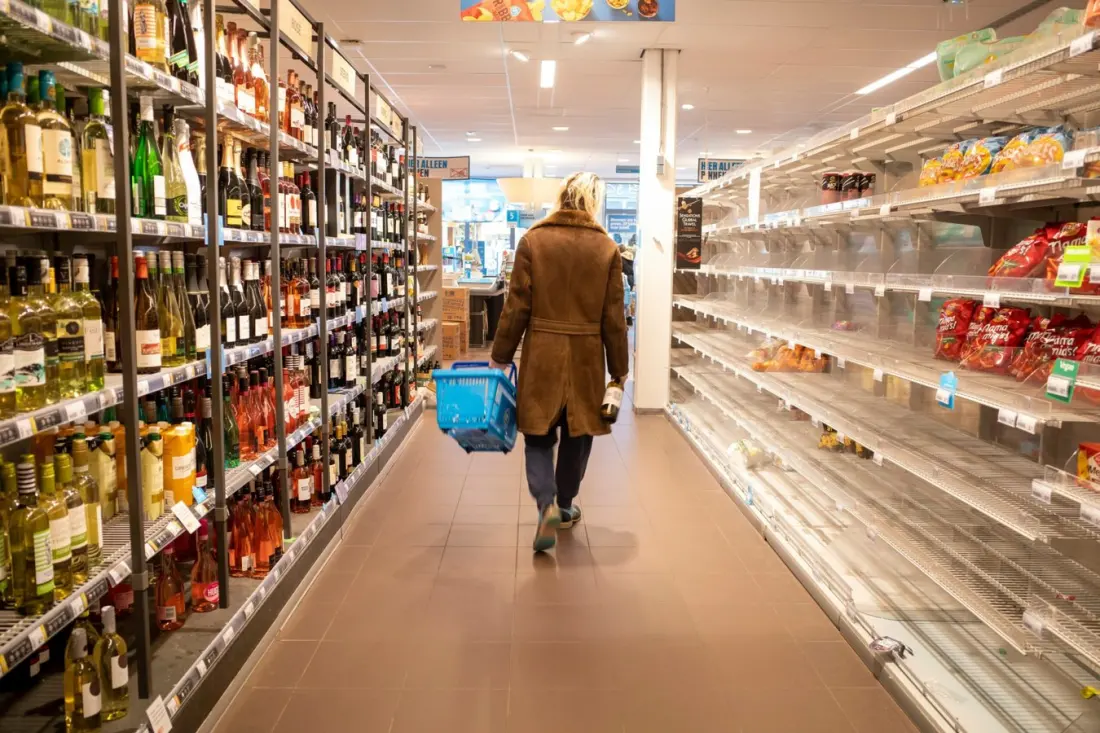
Why should a traveller care? If you're shopping in Croatia this autumn, expect to see two prices side by side on more shelves and menus than before — the anchor price is a handy reality check on whether something has quietly crept up in price. And if you browse Croatian web shops or book local services online, published daily price lists should make comparison easier. For anyone running a holiday rental, tour or small shop in Croatia, though, this is a compliance deadline worth taking seriously: the fines are real and inspectors are expected to enforce from day one. More detailed rulebooks are promised to clarify the grey areas.
Story first reported by Total Croatia.