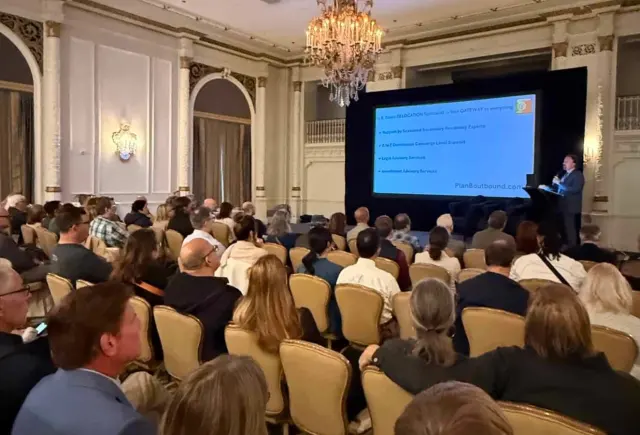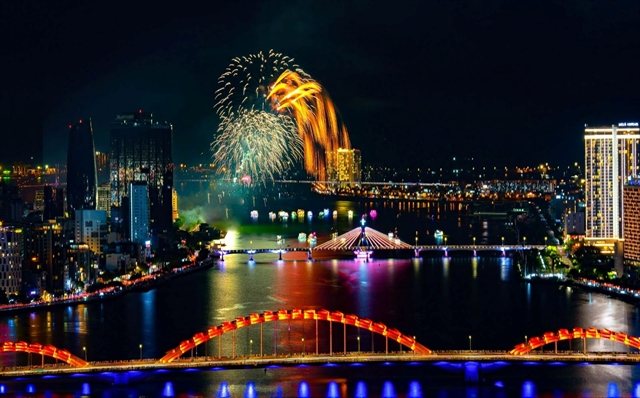
Đà Nẵng has laid out a plan to turn culture into cold, hard revenue. At a recent conference on cultural industries, vice chairwoman of the city's people's committee Nguyễn Thị Anh Thi announced that the central Vietnamese beach city will build its economy around six sectors from 2030 to 2045: performing arts, film, fine arts and exhibitions, culture-based tourism, digital content and handicrafts, targeting average annual growth of 10-11 per cent.
The timing makes sense. Having merged with the former Quảng Nam Province, Đà Nẵng now oversees an unusually rich stretch of heritage: Hội An ancient town, the Mỹ Sơn Sanctuary, the Chàm Islands-Hội An biosphere reserve, plus a UNESCO world heritage bid in development for the Ngũ Hành Sơn (Marble Mountains) landscape. Officials argue the shift requires moving from managing culture as a resource to treating it as a product — better policy, infrastructure, training and public-private partnerships.
Film is a flagship. Đà Nẵng hosted the Việt Nam Film Festival back in 1988 and has since built the Đà Nẵng Asian Film Festival (DANAFF), which grew from 46 films at its first edition to more than 100 at the second, drawing Asia-Pacific producers who now use it as a debut screening venue. The city already hosts about 30 domestic and international film crews a year, and the culture department estimates that if just 5 per cent of tourists visited filming locations, that alone would be worth US$200 million.
There's a digital angle too. The Korean Character Business Association (KOCA), which signed a deal with local broadcaster Đà Nẵng TV and Radio Station to produce an AI-driven animated film on the city's history and culture, sees potential for a character IP ecosystem — animation, games and mascot-driven content — building on the city's ICT base of nearly 50,000 IT workers.
Industry voices at the conference flagged gaps as well. DatVietVAC's Đinh Bá Thành argued the crafts and cuisine of Đà Nẵng and Hội An haven't reached national-brand status and proposed living museums of heritage to draw international visitors. Cultural tourism currently accounts for 20-25 per cent of value-added tourism revenue nationally, and Việt Nam wants cultural industries to hit 7 per cent of GDP by 2030, with five to ten national brands in film, performing arts, cultural tourism, design and fashion. Hội An is also set to join the UN Creative Cities Network.
For travellers, the practical takeaway is that Đà Nẵng is about to get more interesting beyond its beaches. Expect more festivals, film events, museum programming and craft workshops — and the chance to pair a coastal city break with Hội An's lantern-lit old town and the Marble Mountains, all within an hour of each other.