
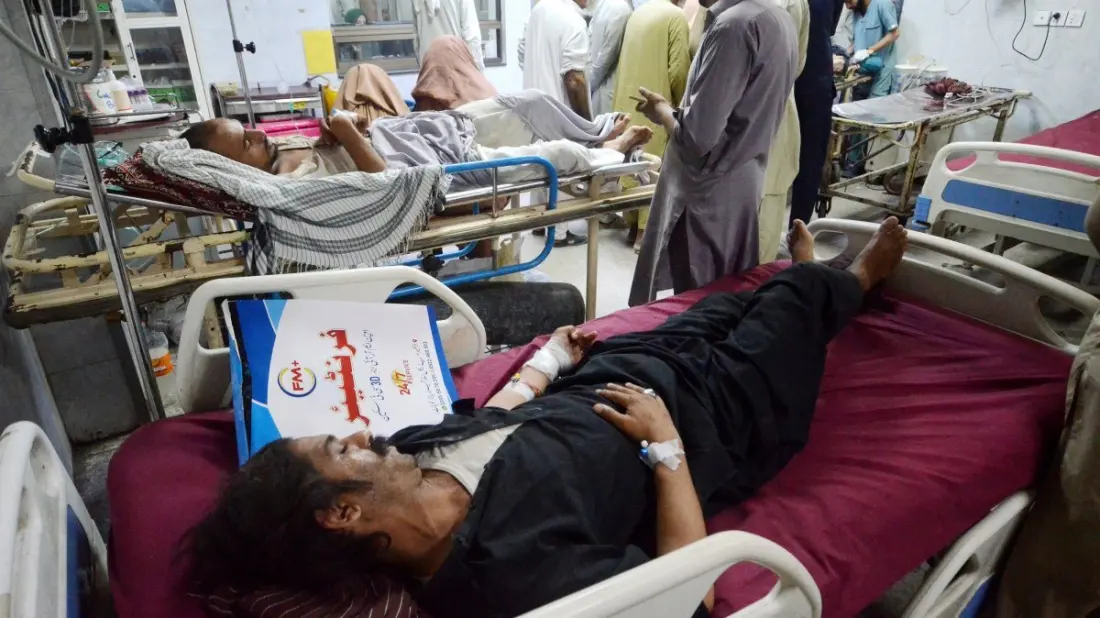
A suicide bombing in Kohat, in Pakistan's Khyber Pakhtunkhwa province, killed at least 21 people and wounded more than 70 during Friday prayers, according to local media reports. The attack struck near a mosque inside a police compound, and it has drawn international condemnation — including a formal statement from Türkiye's Foreign Ministry offering condolences to the Pakistani people.
Details from officials paint a grim picture. An explosives-laden vehicle rammed into the gate of the Old Police Lines compound in Kohat district while congregational prayers were underway. Police said 16 of the dead were police officers, alongside five civilians, and that six attackers — including the suicide bomber — were killed in the blast. A clearance operation was launched afterwards, and the explosion left a large crater outside the mosque within the compound.
Khyber Pakhtunkhwa, in Pakistan's northwest along the Afghan border, has seen periodic militant violence for years, and attacks targeting security installations are part of that pattern. Kohat itself is not a major tourist stop — it's a garrison town and transit point on the route between Peshawar and the southern districts — but the incident is a reminder of how quickly security conditions can shift in parts of the country that adventurous travellers do pass through.
For anyone considering travel to Pakistan right now, the practical takeaway is about placement and timing rather than panic. Most international itineraries focus on Islamabad, Lahore, Hunza and the northern mountain valleys, which are far from the border districts where militant activity is concentrated. Pakistan's own travel advisories and those of the UK, US and Australia continue to advise against travel to much of Khyber Pakhtunkhwa west of Islamabad, so check your government's current guidance before committing to any route through the province. If you are already in the region, avoid police, military and government buildings — which are the preferred targets — stay alert around crowded places at prayer times on Fridays, and keep an eye on local news for follow-up operations, which often continue for days after an attack.
This story matters to travellers less because Kohat is on the tourist trail and more because of what it signals: Pakistan's northwest remains an active security environment, and trip plans there deserve a fresh risk check rather than a months-old itinerary. The majority of visitors to Pakistan travel in the north and east without incident, but events like this one are exactly why Foreign Office-style advisories exist and why insurance policies often exclude regions under "advise against" warnings. If Pakistan is on your list, it remains a rewarding country — just build your route around the places your government deems safe, register with your embassy if available, and leave slack in your plans in case conditions change.
Daily Sabah Travel