
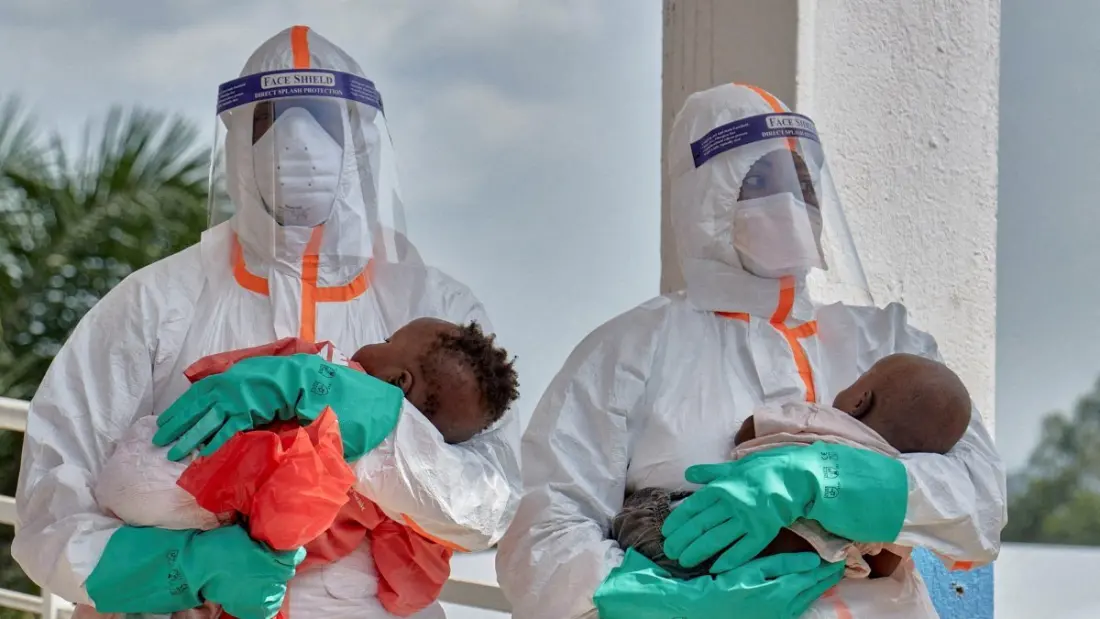
There's a glimmer of good news from eastern Democratic Republic of Congo: an Ebola outbreak that has killed thousands appears to be easing in some of the worst-hit zones. But health officials are quick to shut down any talk of victory.
WHO Director-General Tedros Adhanom Ghebreyesus told reporters in Geneva this week that transmission is falling in the hardest-hit parts of Ituri province, and South Kivu has reported no new cases since May. The outbreak involves the Bundibugyo species of Ebola — a rarer strain with no approved vaccine or treatment specifically licensed against it.
The wider picture is far less reassuring. More than 7,200 cases and over 3,500 deaths have been recorded across seven provinces, with the African Union's Africa CDC putting the cumulative toll at 7,404 cases and 3,577 deaths. North Kivu is the biggest worry: weekly case numbers nearly doubled in a fortnight, jumping from roughly 100 to more than 200. Tedros summed up the challenge bluntly — the affected area is so vast that it's less a single epidemic than many outbreaks in many places.
Congo's own health minister, Samuel Roger Kamba, has suggested the outbreak peaked in mid-August, and government spokesman Patrick Muyaya echoed that. But Africa CDC director-general Jean Kaseya pushed back, saying some of those conclusions rest on incomplete data and that only a sustained, broad decline would confirm the peak has passed. "No one can come and say the outbreak is under control," he said. His agency has also flagged gaps in infection prevention and control.
WHO's Maria Van Kerkhove struck a middle note: cautious optimism, tempered by the reality that meaningful trends take time to read.
For travellers, the takeaway is simple: this outbreak is happening in a conflict-affected region that is difficult for health teams to access, which makes containment harder and travel risk assessments murkier. Anyone considering trips to eastern DRC should check their foreign office's current advice, expect possible screening measures and restrictions, and remember that Ebola spreads through contact with the bodily fluids of infected people. The disease has killed more than 15,000 people in Africa over the past five decades, so this is not a story to shrug off — even if the immediate risk to most itineraries elsewhere in the country or region remains low. Until health agencies confirm a sustained decline, eastern Congo stays firmly in the watch-list category.