A tourist tax divides opinion in Britain, but not everywhere. A new YouGov poll found 51 per cent of Britons oppose a levy on overnight stays, with only 37 per cent in favour. Yet in the places that actually get the crowds, the picture flips.
Edinburgh leads the pack. Two-thirds of its residents (67 per cent) support a tourist tax, and it is no surprise why: in July the city became the first destination in Britain to introduce a statutory one, adding five per cent on top of accommodation prices. Manchester and Liverpool charge nightly fees too, but those are run by independent not-for-profits rather than the local authority, so Edinburgh remains the only statutory scheme in the country.
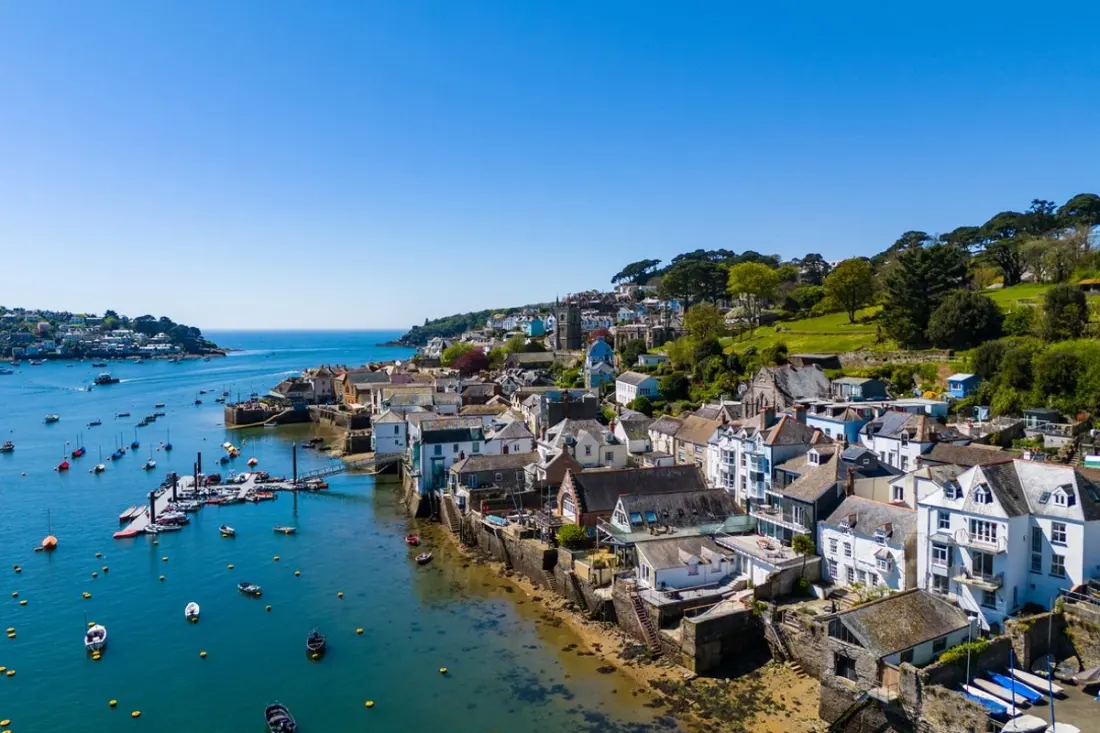
Cornwall is close behind, with 61 per cent of residents in favour. That matters because of how the rollout works: the government has said only Mayoral Strategic Authorities and Foundation Strategic Authorities in England will be able to bring in a levy, and Cornwall is currently applying to become a Foundation Strategic Authority. In other words, a Cornish tax is a real possibility rather than a hypothetical one. Fife (57 per cent) and Cumbria (51-52 per cent) also show clear majority support.
Scotland is moving fastest. Glasgow will follow Edinburgh with a five per cent overnight levy from 25 January 2027, and Glaswegians back the idea of local tax powers by 48 per cent to 34 per cent — a majority, if a slimmer one than Edinburgh's.
Elsewhere, opinion is split or hostile. Bristol, London, Merseyside, North Yorkshire and several Welsh coastal counties are roughly 50-50. Opposition peaks in the East Riding of Yorkshire, Lincolnshire, Norfolk, Shropshire and Warwickshire, where around six in ten are against. Even some places that live on tourism are lukewarm: majorities in Somerset, the Isle of Wight and Devon oppose a levy, and support in traditional seaside towns like Blackpool, Eastbourne and Torbay hovers near 40 per cent.
The quirks are telling. The City of York, whose economy leans heavily on visitors, backs the tax — but the rest of North Yorkshire does not. Proximity to the crowds, it seems, shapes the answer.
For travellers, the practical takeaway is simple: budget for an extra five per cent on accommodation in Edinburgh now, in Glasgow from January 2027, and expect other English cities and possibly Cornwall to follow. The surcharge is modest — a few pounds a night on a typical room — but worth factoring in when comparing prices, especially in peak season when Edinburgh and Glasgow rooms are already pricey. Where you go next in Britain, a small overnight fee may soon be part of the bill.