A communications problem at an air traffic control facility in Philadelphia forced US regulators to pause incoming flights at two of America's busiest airports on Monday morning.
The Federal Aviation Administration ordered a ground stop at around 10 a.m. for flights heading into Newark Liberty International, Philadelphia International and Teterboro in New Jersey. The culprit: faulty frequencies at Philadelphia TRACON — the Terminal Radar Approach Control facility that uses radar and radio to talk pilots through arrivals and departures across the region.
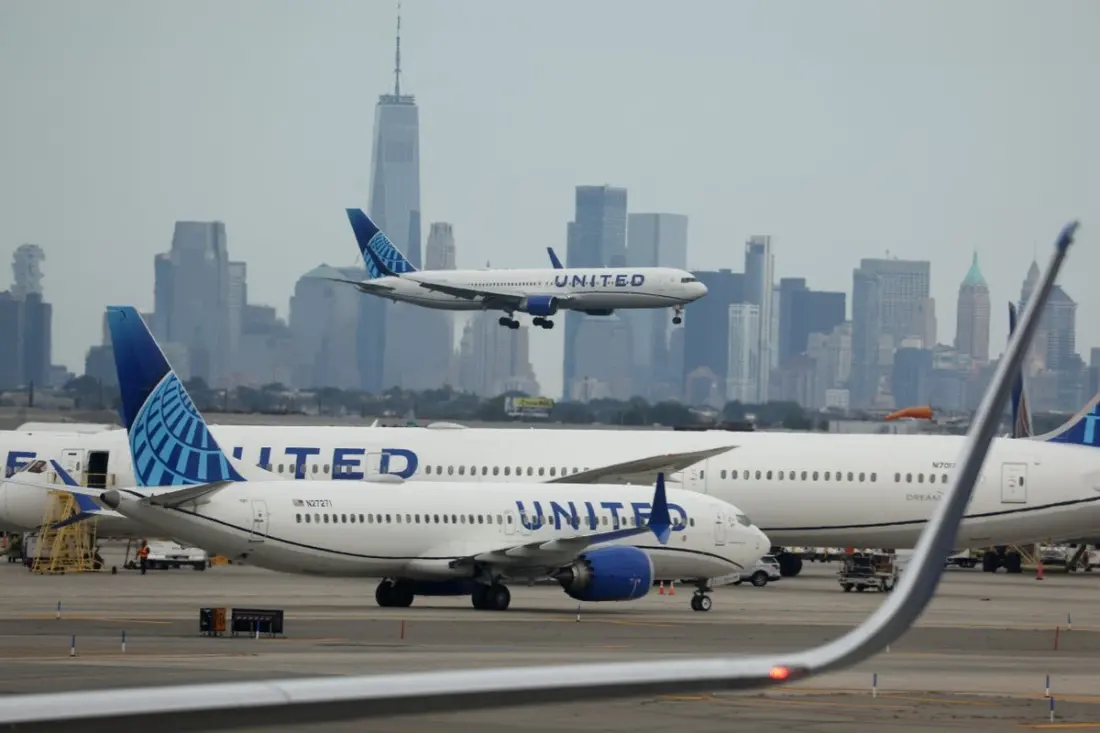
The disruption was quickly felt. Flight tracking site FlightAware counted more than 300 delayed flights across Newark and Philadelphia — roughly 15% of their schedules. The FAA said the ground stop would run until at least 12:45 p.m. Anyone flying United should pay particular attention: Newark is one of its biggest hubs, and Philadelphia is a cornerstone hub for American Airlines, so the delays ripple far beyond the two airports themselves, snarling connecting itineraries across the US and transatlantic routes.
The timing adds to a rough stretch for air travellers on both sides of the Atlantic. On the same day, the UK's air traffic provider Nats reported a "connectivity issue" at its Prestwick control centre in Scotland, grounding flights at Edinburgh, Manchester, Leeds Bradford and Belfast. Thousands of passengers were caught up, and it came less than a month after an unrelated software fault triggered a UK-wide air travel meltdown on 8 September — the second major outage in four weeks.
For anyone with flights booked through Newark, Philadelphia or the affected UK airports, the practical advice is familiar but worth repeating: check your airline's app before heading to the airport, and know your rebooking options. US rules require airlines to refund passengers who choose not to travel on significantly delayed or cancelled flights, and many carriers will rebook you on the next available service at no charge. If you're connecting through a hub like Newark, building in a longer layover is a sensible hedge while these systems prove fragile.
It's also a reminder of how much of modern flying depends on a handful of behind-the-scenes control facilities. When a TRACON loses radio frequencies or a Scottish centre loses connectivity, the effects cascade within minutes — and there's nothing an airline or passenger can do except wait for engineers to fix it. Travellers with trips in the coming weeks should keep an eye on the news and consider travel insurance that covers delays.