A 19-year-old hiker died and nine others were injured when lightning hit the Tin Shack, a small steel lookout hut near the summit of Utah's Mount Timpanogos, while the group sheltered inside from a violent thunderstorm. The tragedy is a stark reminder of a myth many hikers still carry: that any solid-roofed structure is a safe haven from lightning. It isn't — unless it has wiring or plumbing that can channel a strike safely into the ground.
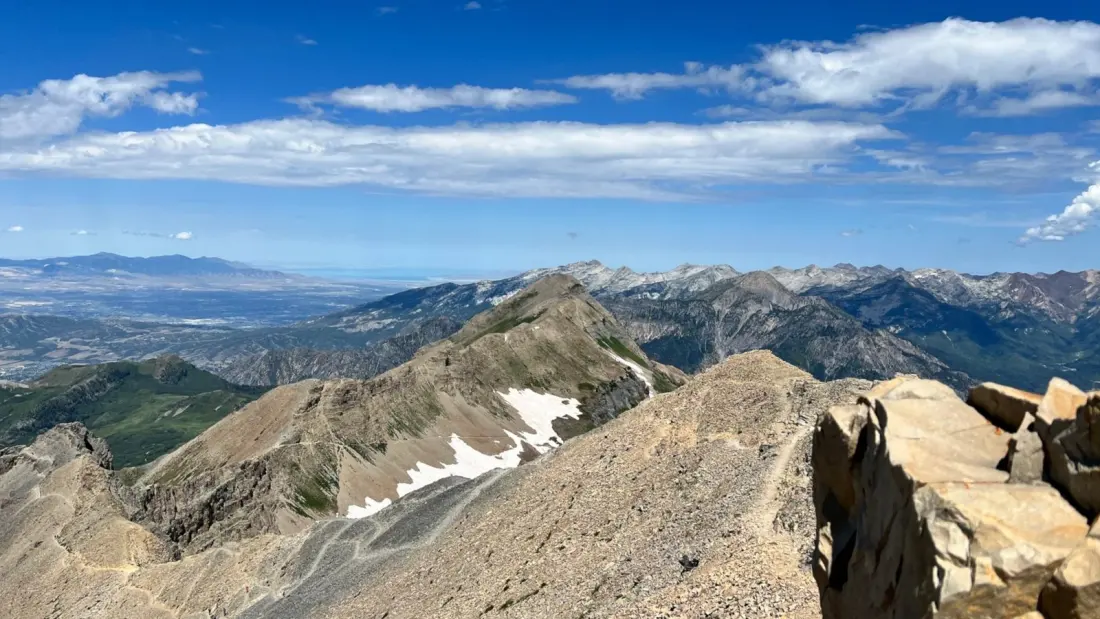
The ten hikers had summited the 11,752-foot peak, a popular day hike south of Salt Lake City, before a large storm rolled in. They crowded into the 1927-era steel structure, which took a direct hit. The Utah County Sheriff's Search and Rescue team responded around 6 a.m., hampered by continuing storms and the difficult high-altitude location. Four of the injured were able to walk down the mountain before seeking hospital treatment.
Mount Timpanogos is typically climbed via two routes of about 14 miles each, both with long ridgeline sections and little chance to drop below treeline when weather turns — a common setup on high peaks, and exactly the kind of terrain where thunderstorms become lethal. The incident follows a fatal strike on Mount Blue Sky in Colorado just two months earlier, where a teenager was killed shielding his brother from a storm.
Experts say a few pieces of received wisdom need binning. The crouch-on-your-pad 'lightning position' has no evidence behind it — if you're caught on a ridge or open ground, your priority should be moving toward more sheltered terrain, not posing. Don't hide under lone tall trees; tall isolated objects attract strikes, and roughly half of lightning injuries come from secondary effects like ground current. And while metal doesn't draw lightning in, it conducts brilliantly — a steel hut like the Tin Shack is no more likely to be hit than anything else of its height, but if it is struck, occupants are far more exposed. The National Weather Service's advice is blunt: the only genuinely safe refuges outdoors are a building with wiring or plumbing, or a hard-topped vehicle. If you hear thunder at all, you're close enough to be struck — get off ridgelines and summits immediately.
For anyone planning a big mountain day hike, this matters. Start early, watch the sky, know where your escape routes off exposed terrain are, and treat summit huts and lookouts as windbreaks, not lightning shelters.