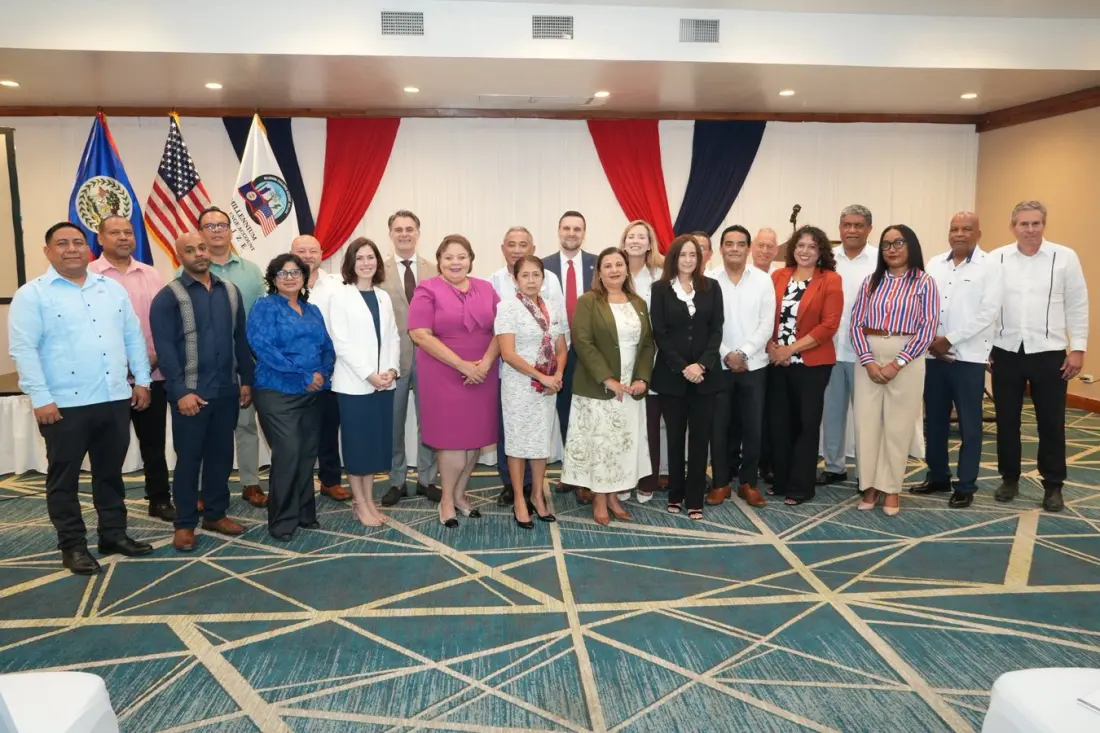
Belize and the United States have formally kicked off a five-year, US$125 million development partnership — one of the biggest grant investments in the country's history. The Belize Compact, run through the US Millennium Challenge Corporation (MCC), was launched at a ceremony at the Belize Biltmore Plaza in Belize City on 18 September, with Prime Minister John Briceño and US Ambassador André Bauer among the speakers. Day-to-day implementation now passes to MCA-Belize, a local authority set up to deliver the programme.
The money targets two bottlenecks that have long held back Belize's economy: a struggling education system and expensive electricity. The Education Project will pour funding into secondary schools and technical/vocational training, aiming to get more young Belizeans out of school with solid literacy, numeracy and certified job skills. That means better teacher training and licensing, stronger school leadership, improved student assessment and a serious overhaul of vocational education — the groundwork for a more capable future workforce.
The Energy Project is the one travellers may actually feel. A headline piece of infrastructure will upgrade the electricity transmission link to Ambergris Caye, the island that includes San Pedro and sits at the heart of Belize's tourism economy. Right now the island leans heavily on costly local emergency generation to meet growing demand. A stronger mainland connection should mean cheaper, more reliable power — fewer outage-prone moments for hotels, restaurants and dive shops, and a nudge toward more sustainable growth on an island under heavy development pressure. The project also funds reforms to Belize's energy policy and regulation, aimed at better long-term planning and a more efficient system nationwide.
Both governments frame the compact as a partnership designed to do more than fix two sectors: stronger human capital and cheaper, stabler power should make Belize an easier place to run a business — including the family-run lodges, tour operators and resorts that visitors rely on. For anyone who knows Ambergris Caye, where diesel generators have long hummed behind the postcard scenes, the transmission upgrade is arguably the most tangible change on the horizon.
Why should a traveller care? The compact is a five-year bet on the fundamentals behind a good trip: reliable power in the country's busiest tourist hotspot and a better-trained local workforce to staff it. Nothing here changes itineraries tomorrow, but by the end of the decade it should be easier — and greener — to spend a week on Ambergris Caye, and the broader push on skills and energy costs should filter through to service quality across the country. If Belize is on your list, this is a quiet reason to feel good about going.