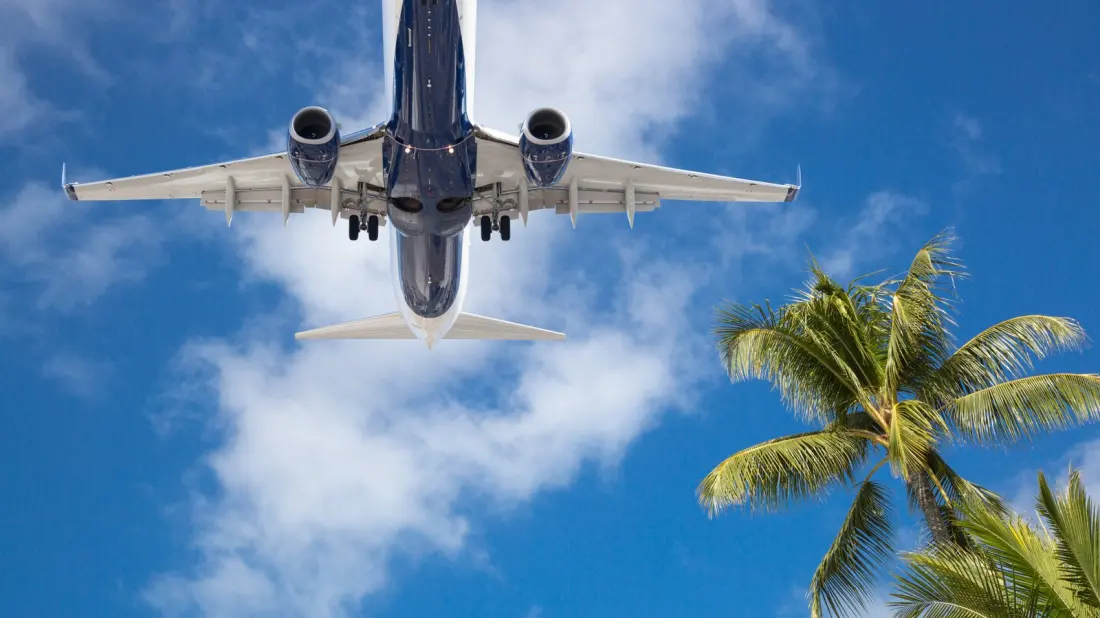
Flying home from Hawaii isn't like any other domestic US flight. Every bag is inspected by the USDA's Animal and Plant Health Inspection Service on the way out, and certain island keepsakes never make it past the checkpoint. The good news: an honest mistake is usually fine if you declare it. The bad news: hiding a restricted item can hold you up or cost you up to $1,000.
Sugarcane is an automatic no. Unlike pineapple, which usually clears a quick inspection, sugarcane stalks are banned outright because they can carry pests like whiteflies and mites, plus diseases such as rust and smut. If you get a craving back on the mainland, Asian and Latin markets often stock it — Latin groceries tend to sell it around the holidays for Ponche Navideño.
Fresh tropical fruit comes with an asterisk. That tempting farmers' market haul of lychees, rambutans, mangosteens, jackfruit or lilikoi is only flyable if it's been pre-inspected, packaged and USDA-stamped — certification most market stalls won't have. Eat those on the island instead. Pineapple and coconut are the exceptions and generally pass after a visual check. Farms and tourist-oriented vendors do sell travel-ready stamped fruit if you're determined.
Sand and beach materials are a state-level crime, not just an airport issue. Hawaii's Department of Land and Natural Resources prohibits taking sand, dead coral, coral rubble, rocks or soil from the shoreline. Beyond the legal risk, it's culturally charged: many Native Hawaiians consider removing sand or rocks deeply disrespectful, and a popular belief holds that bad luck will follow you home.
Which brings us to lava rocks and Pele's Curse. Thousands of people mail rocks back to Hawaii Volcanoes National Park every year, blaming string of misfortunes on the fire goddess Pele. A 2025 Rock & Gem article traces the legend to a hoax by a fed-up 1946 park ranger — but the law is real regardless of the curse. And don't rearrange or stack rocks in the park either; rangers build cairns as trail markers in genuinely dangerous terrain.
The fifth banned item is soil, which mostly catches plant lovers buying potted orchids. The workaround is easy: shops such as Orchid Alley on Kauai pack plants in sterile, soil-free medium for carry-on, or ship to the mainland. Akatsuka Orchid Gardens near Volcano on the Big Island is Tripadvisor's top-rated attraction in that town and sells travel-ready plants too. Leis are generally fine since they're soil-free, though a few flowers (citrus blooms, Mauna Loa daylilies) are prohibited, so expect a look from inspectors. One last tip: keep your lei. A dried one makes a far better keepsake than anything airport security throws away.
If you're the souvenir-shopping type, the safe zone is wide — ukuleles, hats, bobbleheads and stamped fruit all clear fine. The five items above don't.